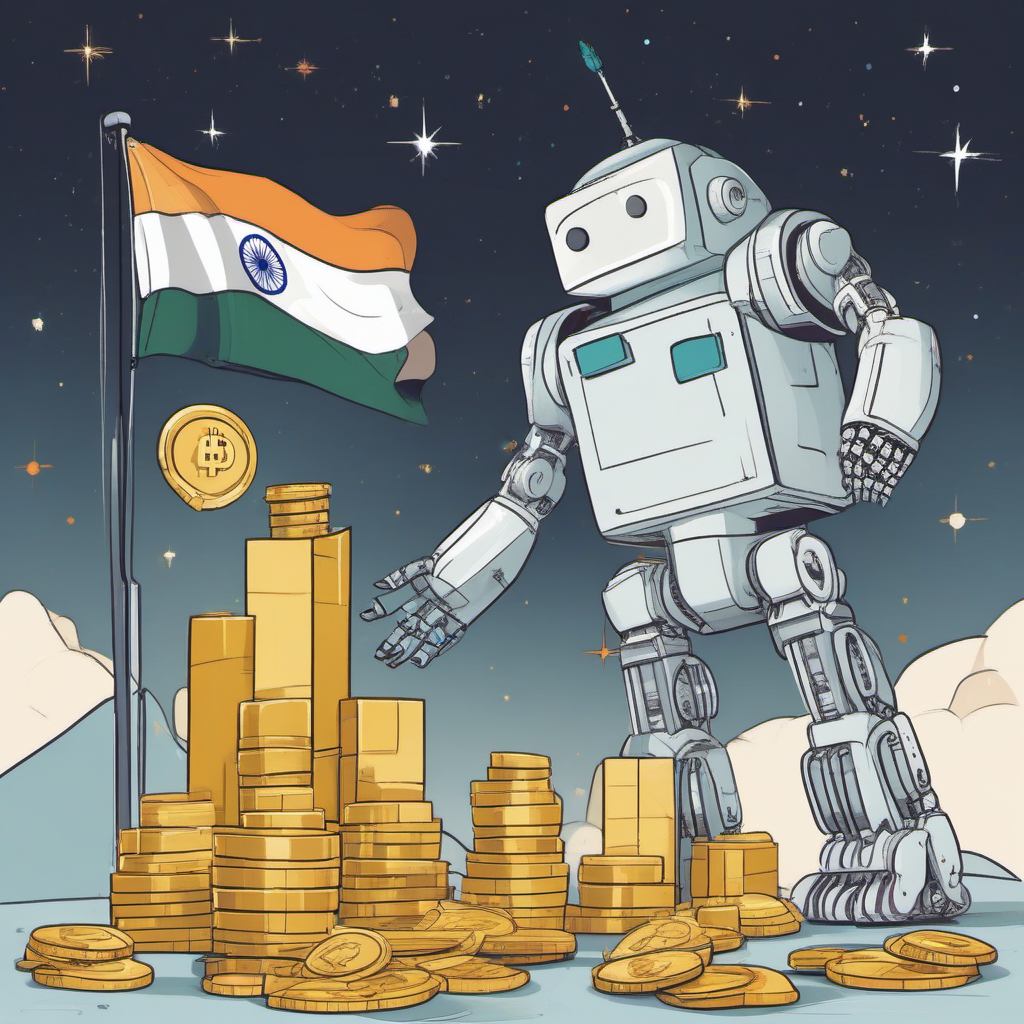
Venture capital (VC) funding into Indian startups has dipped to its lowest weekly level this year, highlighting the ongoing challenges faced by the ecosystem. This downturn is particularly stark as global attention shifts toward AI, with companies like Anthropic securing massive funding rounds, eclipsing the collective capital raised by Indian startups over several years.
### The Current Funding Landscape
During the last week of March, Indian startups raised a mere $66 million across 16 transactions, marking a significant drop in venture investment. This is the fifth time this year that weekly funding has fallen below $100 million. Notably, no single deal surpassed the $15 million mark, underscoring the sluggish pace of investment in the current climate.




Key transactions during this period include Fairdeal.Market, a B2B quick commerce platform, which secured $15 million from Bertelsmann India Investments, WaterBridge Ventures, and Incubate Asia Fund. Meanwhile, biotech startup StrainX Bioworks raised $13 million from a consortium of investors, including Prime Venture Partners and Leo Capital. Despite these injections, the overall funding landscape remains tepid.
### Context and Competition
The Indian startup ecosystem is grappling with structural challenges that deter substantial capital inflow. While global investments increasingly target AI-driven ventures, India has yet to produce a formidable AI contender. This is evident in the stark comparison with Anthropic’s recent $65 billion raise, which dwarfs the $62 billion amassed by Indian startups over four years.
The current funding environment reflects a cautious investor sentiment, with a preference for established markets and technologies. As global players like Anthropic capture significant attention, Indian startups face the dual challenge of attracting capital amid shifting investor priorities and intensifying global competition.
### Implications for India’s Startup Ecosystem
The decline in VC inflow raises concerns about the sustainability and growth trajectory of Indian startups. A slowdown in funding could impact innovation, job creation, and the overall dynamism of the ecosystem. Limited access to capital may force startups to pivot their business models, explore alternative funding sources, or, in some cases, stall their operations.
For founders, engineers, and investors, this scenario presents both a challenge and an opportunity. Startups may need to focus on building sustainable business models that can thrive with limited external funding. Investors, on the other hand, might find opportunities in underfunded areas, particularly those that address local market needs and demonstrate tangible value.
As the Indian startup ecosystem navigates these turbulent waters, the coming months will be crucial in determining the resilience and adaptability of its players. Stakeholders should watch for any signs of recovery in funding trends, the emergence of credible AI startups in India, and shifts in investor focus that could redefine the landscape.