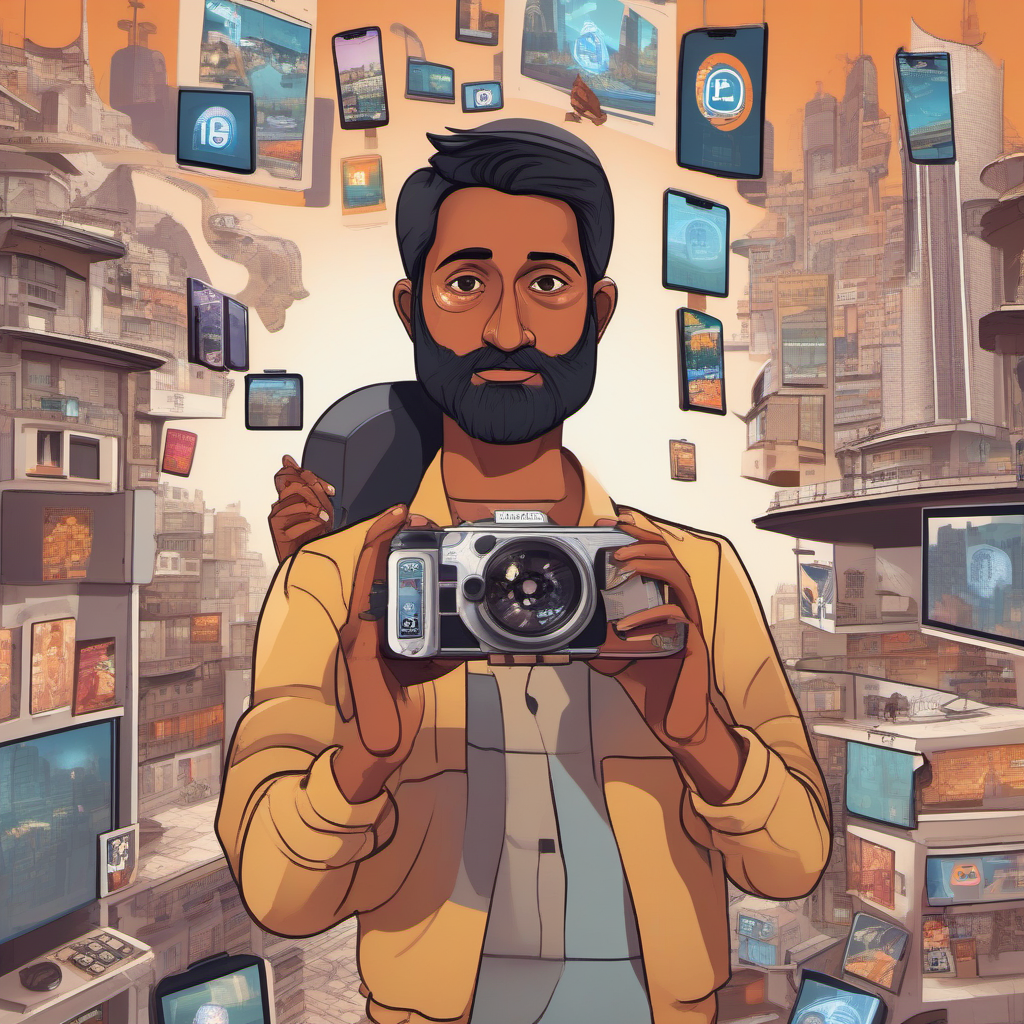
Direct-to-consumer (D2C) brands in India are increasingly turning to media ownership as a strategic maneuver to capture and retain consumer attention. By building in-house media capabilities or investing in content creation, these brands aim to reduce dependency on traditional advertising channels, which are becoming less effective due to rising costs and ad fatigue. This shift reflects a broader trend where consumer brands attempt to forge direct connections with their audiences, thereby creating a more sustainable and engaging consumer relationship.
The Drive for Media Control
Many D2C companies are opting to own media properties or develop content platforms to better control their narratives and engage more deeply with their target demographics. Mensa Brands, for instance, acquired platforms like MensXP and iDiva to create a media ecosystem around their products. Similarly, Bombay Shaving Company launched 100Days.co to not only promote their products but also to produce in-house content that supports their brand narrative.
Other brands like Blissclub and The Whole Truth are also diving into content creation by either building their own studios or partnering with content creators. This approach allows them to produce podcasts, short films, and other digital content that engage consumers beyond traditional marketing tactics. By owning content, these brands aim to create a loyal community around their products, enhancing consumer trust and engagement.
Navigating the Competitive Landscape
The move towards media ownership is partly driven by the competitive landscape in India’s booming D2C sector. With over 800 D2C brands in India, according to a report by Avendus Capital, standing out in a crowded market is crucial. Traditional branding efforts have become insufficient as product differentiation diminishes in categories like beauty and personal care, where third-party manufacturers often produce similar goods for multiple brands.
In this context, creating unique and engaging content becomes a differentiator. By controlling the storytelling process, brands can highlight their unique value propositions and build a narrative that resonates with their audience, setting themselves apart from competitors. This strategy not only aids in customer acquisition but also in retention, as consumers are more likely to stay loyal to brands they feel personally connected to.
Implications for India’s Startup Ecosystem
For the Indian startup ecosystem, this shift towards media ownership by D2C brands signals a potential change in how startups approach marketing and consumer engagement. As more startups adopt this playbook, we may see a rise in media-tech collaborations and investments in content creation capabilities. This could lead to the emergence of new business models where media and commerce are more closely intertwined.
Investors might also start evaluating startups based on their media strategies and capabilities, considering them as critical factors for growth and differentiation in the D2C space. This trend could influence how funding is allocated, with a greater emphasis on startups that demonstrate strong media acumen and the potential to build robust consumer communities.
The next phase for D2C startups in India may involve further integration of media and commerce, as they strive to build more comprehensive and engaging consumer experiences. For founders, staying ahead in this competitive landscape means continuously innovating in content creation and distribution, ensuring their brand narratives remain fresh and compelling. Investors and stakeholders will likely keep a close eye on how these media strategies evolve, as they hold the potential to redefine consumer engagement in the digital age.