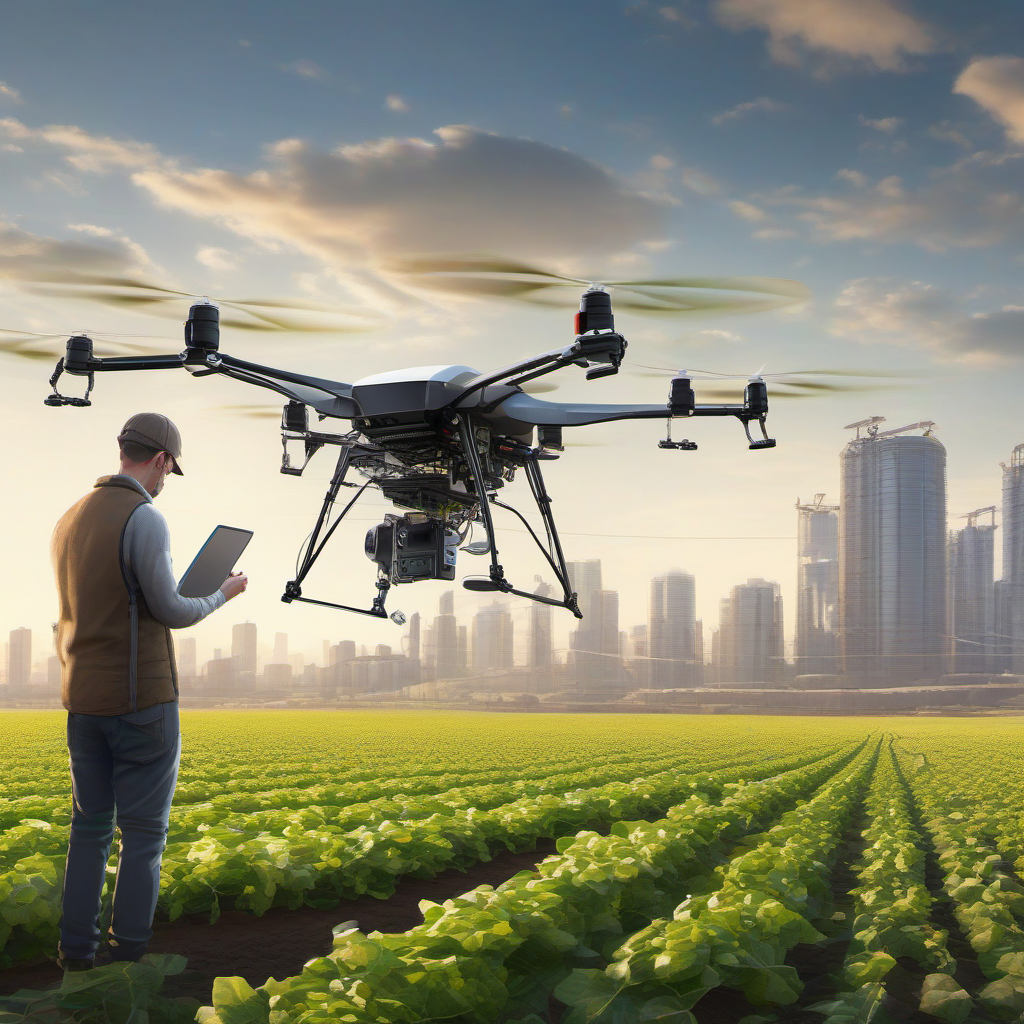
Agriculture drone startup Suind is set to secure Rs 20.5 crore in a new funding round, valuing the company at Rs 80 crore. The investment, led by Transition Venture Capital Fund, signals a strong vote of confidence in the Bengaluru-based company’s potential to transform agricultural practices through its innovative drone technology.
### Suind’s Innovative Approach
Founded in 2020 by Kunal Shrivastava and Kevin Kleber, Suind has been at the forefront of developing autonomous drone solutions specifically for agriculture. Their flagship platform, Bumblebee, utilizes computer vision and autonomous navigation to aid farmers in crop monitoring, issue detection, and precision spraying. This technology aims to minimize human intervention, enhancing efficiency and productivity in farming operations. With the fresh capital, Suind plans to extend its technology beyond agriculture, exploring industrial applications to diversify its market presence.
### Competitive Landscape and Funding Environment
The agriculture drone market in India is becoming increasingly competitive, with several startups vying for a share of the burgeoning precision farming sector. Suind faces competition from companies like Marut Drones, Garuda Aerospace, IoTechWorld Avigation, BharatRohan, and Dhaksha Unmanned Systems. These companies are all striving to capitalize on the growing demand for advanced agricultural technologies driven by the need for increased efficiency and government initiatives promoting drone usage.
The funding environment for Indian agri-tech startups has been encouraging, with investors showing keen interest in technologies that promise to revolutionize traditional farming methods. Suind’s latest funding round, the first in over two years since its Rs 5 crore seed round in November 2023, highlights renewed investor confidence in its growth trajectory and technological innovations.
### Implications for India’s Startup Ecosystem
The successful funding round for Suind underscores the viability and attractiveness of agri-tech in India’s startup ecosystem. As the sector continues to draw significant investment, it reflects a broader trend of technological adoption in traditional industries. Startups leveraging cutting-edge technologies like drones can expect increased attention from both domestic and international investors. Suind’s ability to attract substantial investment despite being in the pre-revenue stage illustrates the potential and promise that innovative tech solutions hold for addressing longstanding challenges in agriculture.
Looking ahead, Suind’s next steps will be crucial. As it seeks to expand its drone technology into industrial applications, the company’s progress could set a precedent for other agri-tech startups aiming to diversify their offerings. For investors and industry stakeholders, Suind’s journey will be one to watch closely, as its success could influence funding patterns and strategic directions in the broader technology and agriculture sectors in India.