India’s burgeoning demand for critical metals used in batteries is largely met through imports, despite the increasing volume of spent lithium-ion batteries containing these valuable materials. Bengaluru-based Metastable Materials is addressing this gap by transforming battery waste into a source of industrial metals. Founded in October 2021 by IIT Roorkee alumni Shubham Vishvakarma and Manikumar Uppala, the company is leveraging innovative technology to extract and refine lithium, cobalt, nickel, copper, and aluminium from used batteries, positioning itself as a key player in the sustainable materials market.
### Turning Batteries into Metals
Metastable Materials operates a comprehensive process that encompasses the procurement of spent lithium-ion batteries, their dismantling, and the refining of the contained materials into high-purity metals. Unlike traditional recycling methods that rely on external chemicals to break down the metals, Metastable employs a patented process called Integrated Carbothermal Reduction. This method allows the materials within the battery to react internally, eliminating the need for external chemical agents. The company’s approach not only mitigates environmental risks such as fire hazards and toxic gas emissions but also enhances the efficiency of metal extraction.
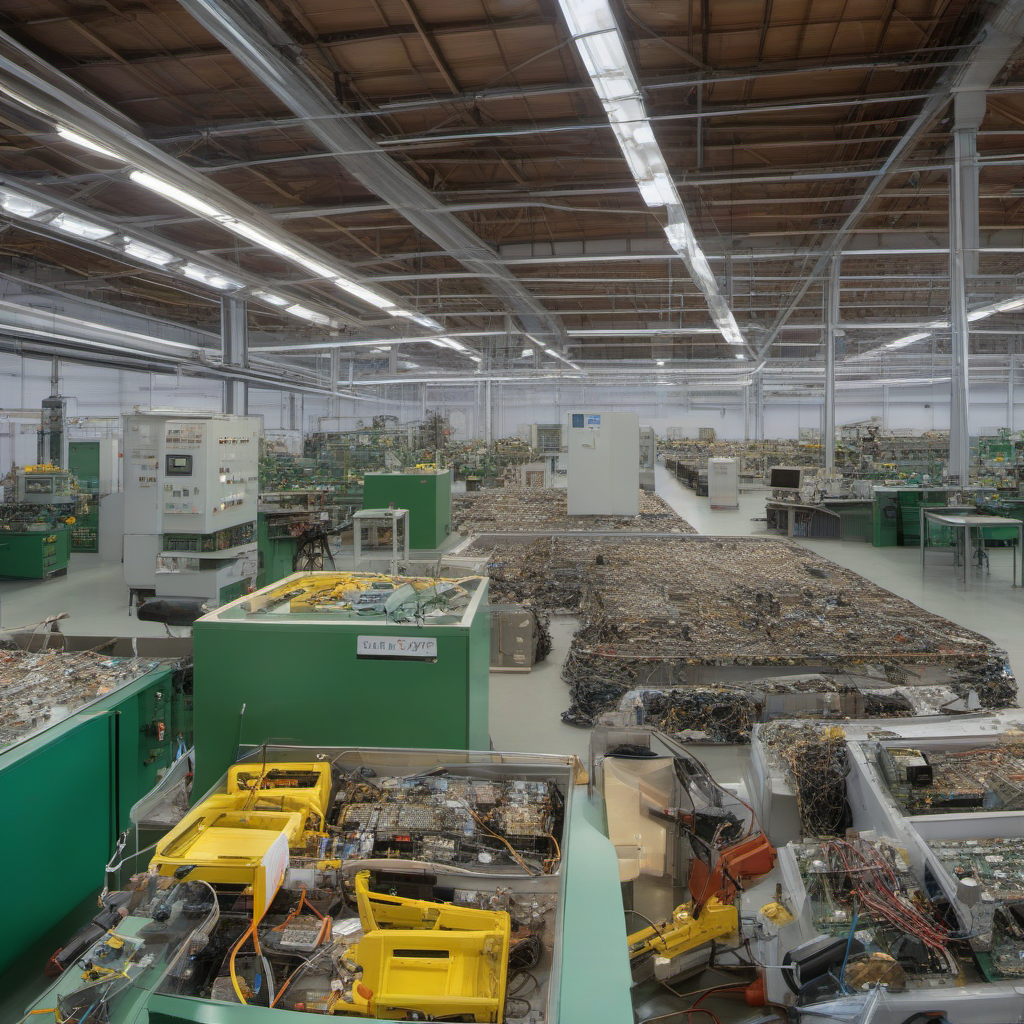
The facility, which is equipped with machinery largely developed in-house, ensures a streamlined operation. Innovations like magnetic and density separators, alongside a compact zero-liquid-discharge system, underscore Metastable’s commitment to sustainable practices. The company holds five patents, including one with international recognition, underscoring its technological edge in the recycling domain.
### Expanding Market Reach
Metastable’s business model is not confined to the battery industry alone; by refining metals to high purity, the company serves a diverse customer base. Lithium, for instance, is supplied to industries ranging from glass and ceramics to cement and grease manufacturing. Similarly, nickel, a major component in stainless steel production, finds a ready market in the global supply chain.
This strategic positioning allows Metastable to tap into multiple industrial sectors, potentially cushioning it against fluctuations in any single market segment. The company’s ability to supply refined metals also aligns with India’s broader economic goals of reducing import dependency and fostering a circular economy, thereby contributing to the nation’s sustainability objectives.
### Implications for India’s Startup Ecosystem
Metastable Materials’ approach to battery recycling represents a significant innovation in India’s startup ecosystem, particularly within the sustainable technology sector. By transforming waste into a resource, the company not only addresses environmental challenges but also creates a scalable business model with substantial growth potential. This aligns with the increasing investor interest in sustainable and impact-driven startups, a trend that has seen considerable momentum in recent years.
The company’s success could inspire similar ventures, fostering a new wave of startups that prioritize sustainability and circular economy principles. As India continues to advance its electric mobility agenda, the demand for critical metals is likely to rise, providing further opportunities for startups like Metastable to expand and innovate.
Looking ahead, Metastable Materials is poised to play a critical role in reshaping India’s resource recovery landscape. For founders and investors, the company’s trajectory offers valuable insights into the opportunities and challenges of building a business at the intersection of technology and sustainability. As the industry evolves, keeping an eye on Metastable’s technological advancements and market strategies will be key to understanding the future dynamics of metal recycling in India.