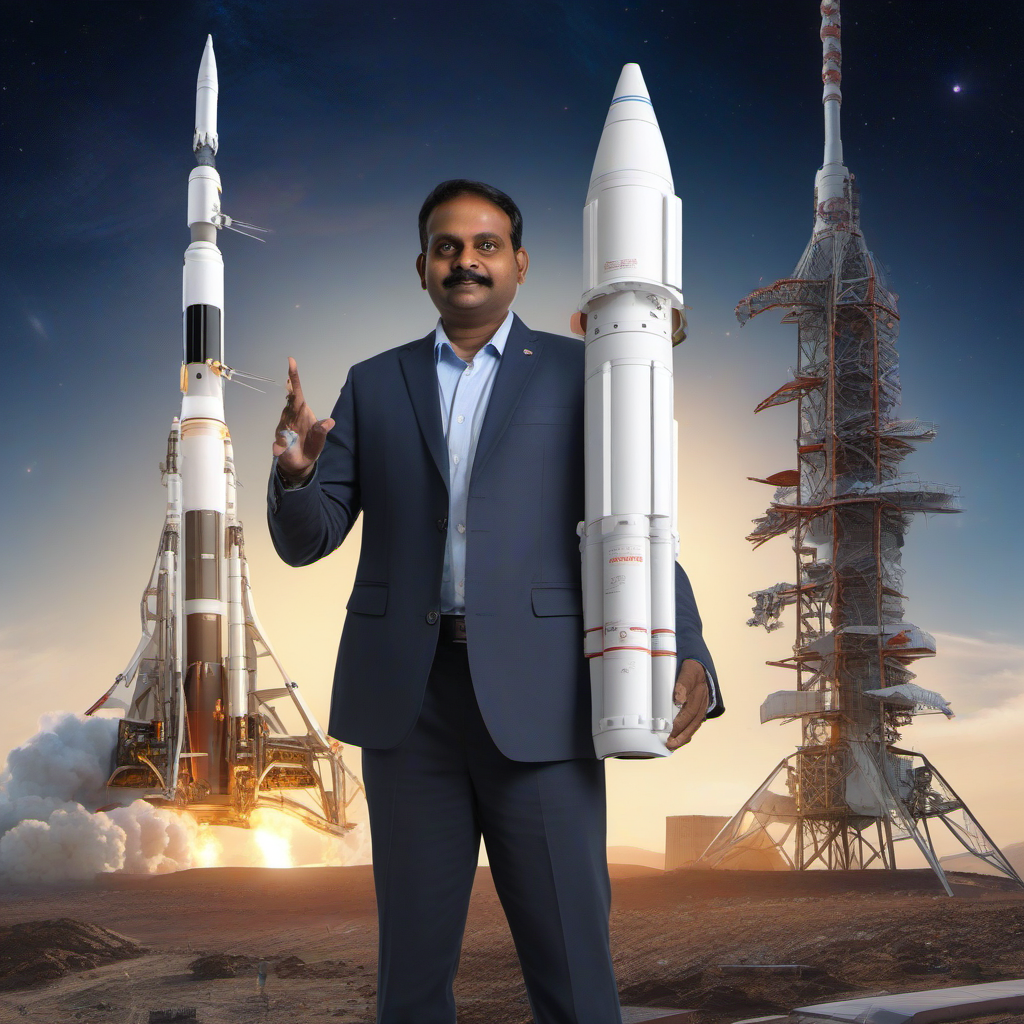
In a significant stride for India’s burgeoning space sector, Chennai-based Agnikul Cosmos is gearing up for its Mission-02, aiming to achieve India’s first recovery of an orbital-class rocket booster. This mission is set to transform the spent upper stage of the rocket into a functioning in-orbit platform. This innovative approach highlights Agnikul’s focus on economic viability over mere technological prowess, a strategic move that could redefine the economics of space launches in India.
### Agnikul Cosmos: Pioneering Reusable Rocket Technology
Agnikul Cosmos has been at the forefront of India’s private space industry since its inception, with its roots in the prestigious IIT Madras. The company gained international attention with the launch of the world’s first rocket powered by a single-piece 3D-printed engine from India’s inaugural private launchpad. Co-founder and CEO Srinath Ravichandran emphasizes that the real challenge in space launches is economic rather than technological. By focusing on reusability, Agnikul aims to significantly reduce the cost of launches. Mission-02 is designed to reuse both the upper and lower stages of their Agnibaan rocket, potentially saving 70–80% of the cost per launch.
### The Competitive Landscape and Funding Environment
The global space industry is witnessing rapid advancements with companies like SpaceX leading the charge in reusable rocket technology. However, Agnikul’s approach differs in its emphasis on convertibility, transforming the upper stage of its rockets into platforms for multiple uses. This strategy could offer a competitive edge by maximizing mission profitability. The Indian space sector, supported by the government’s pro-innovation policies and initiatives like IN-SPACe, is creating a conducive environment for startups. Additionally, the country’s growing pool of tech-savvy talent and increasing foreign investments are bolstering the ecosystem. Agnikul’s focus on international markets in Europe, Australia, Japan, and Singapore indicates its ambition to capture a significant share of the global small satellite launch market.
### Implications for India’s Startup Ecosystem
Agnikul’s Mission-02 could have far-reaching implications for India’s startup ecosystem, particularly in the space technology sector. By proving the viability of reusable rocket technology domestically, Agnikul could inspire other startups to pursue innovative solutions in space exploration and satellite deployment. The launch also underscores the potential for Indian startups to compete globally, not just in terms of technology but also in offering economically viable solutions. As India continues to position itself as a hub for tech innovation, Agnikul’s success could attract more venture capital into the space sector, fostering a new wave of startups with global ambitions.
As Agnikul Cosmos prepares for Mission-02, the outcome could set a new benchmark for cost-effective space launches not just in India, but globally. For founders and investors, the mission’s success could signal a shift towards more sustainable and economically viable space exploration models. The next step to watch is how Agnikul scales its operations and whether it can achieve its ambitious goal of conducting 100 missions a year, which could redefine the landscape of India’s space startup industry.