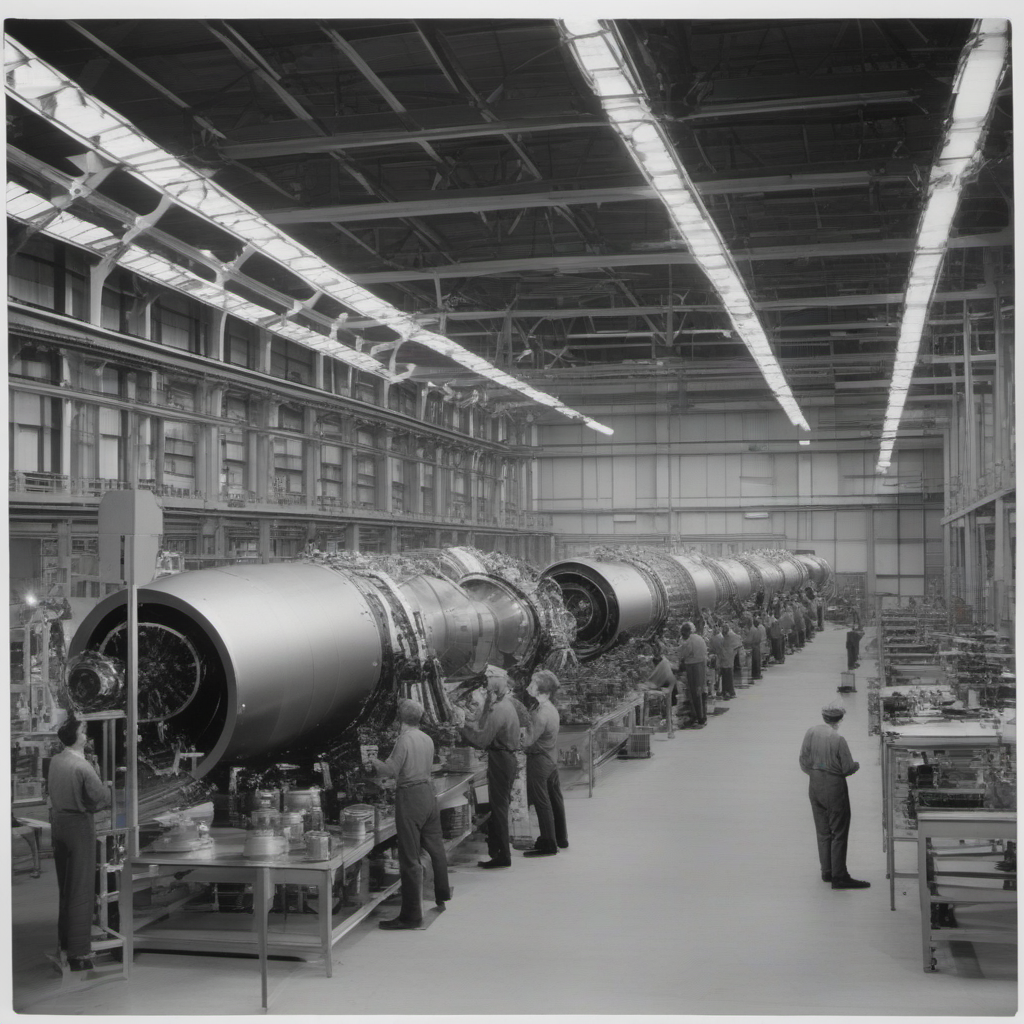
India’s space sector has reached a significant milestone with Skyroot Aerospace’s successful launch of Vikram-1, marking the country’s entry into the exclusive club of nations with private sector orbital capabilities. This achievement positions India as the third nation after the United States and China to have private companies independently reaching orbit. The launch not only demonstrates India’s engineering prowess but also signals a shift towards commercializing space technology in the country.
### The Company and Its Achievements
Skyroot Aerospace, a Hyderabad-based startup, has emerged as a frontrunner in India’s burgeoning private space industry. The company made history by achieving orbit on its maiden attempt with Vikram-1, a seven-storey rocket named after the father of the Indian space program, Vikram Sarabhai. This mission, named Aagaman or ‘arrival’, successfully deployed its payload, including Skyroot’s SCOPE satellite and a spacecraft from fellow startup Grahaa Space, into a 450-kilometre low Earth orbit.
Skyroot’s accomplishment is not just about reaching space; it’s about the foundation it lays for the Indian private space sector. The company is now India’s first spacetech unicorn, a testament to its potential and the growing investor confidence in the sector. With over 400 private space companies now operating in India, Skyroot’s success could pave the way for others, encouraging further investment and innovation in the sector.
### The Competitive Landscape and Funding Environment
India’s space sector is witnessing rapid growth, with startups like Agnikul Cosmos and Pixxel pushing the boundaries of technology and innovation. Agnikul Cosmos, based in Chennai, is known for its on-demand launch capabilities and has developed the world’s first single-piece 3D-printed rocket engine. Meanwhile, Bengaluru’s Pixxel focuses on hyperspectral Earth observation, serving clients like NASA and BP with its constellation of Firefly satellites.
The Indian government has also played a pivotal role in fostering this ecosystem by introducing policies that encourage private sector participation in space activities. Initiatives like the Indian National Space Promotion and Authorization Center (IN-SPACe) aim to create a supportive environment for startups. However, the challenge remains in scaling these technological successes into sustainable business models, especially in the face of international competition and the capital-intensive nature of the industry.
### Implications for India’s Startup Ecosystem
Skyroot’s successful launch underscores the potential of India’s startup ecosystem to compete on a global scale. The transition from technological demonstration to commercial viability is crucial, and the next five years will determine which companies can establish a robust business model. This involves not just launching rockets but creating an end-to-end ecosystem that includes satellite deployment, data services, and downstream applications.
For investors, this represents an opportunity to back ventures that can capitalize on the growing demand for space-based services, from telecommunications to environmental monitoring. For engineers and founders, the focus will need to shift towards innovation in business models, cost reduction, and expanding service offerings to capture a larger share of the global market.
As India’s private space sector enters this new phase, the focus will be on building sustainable businesses. The success of companies like Skyroot Aerospace will be crucial in attracting more investment and talent, driving the next wave of growth. Observers should watch for strategic partnerships, both domestic and international, as these will be key in scaling operations and expanding market reach.
Originally reported by Your Story.