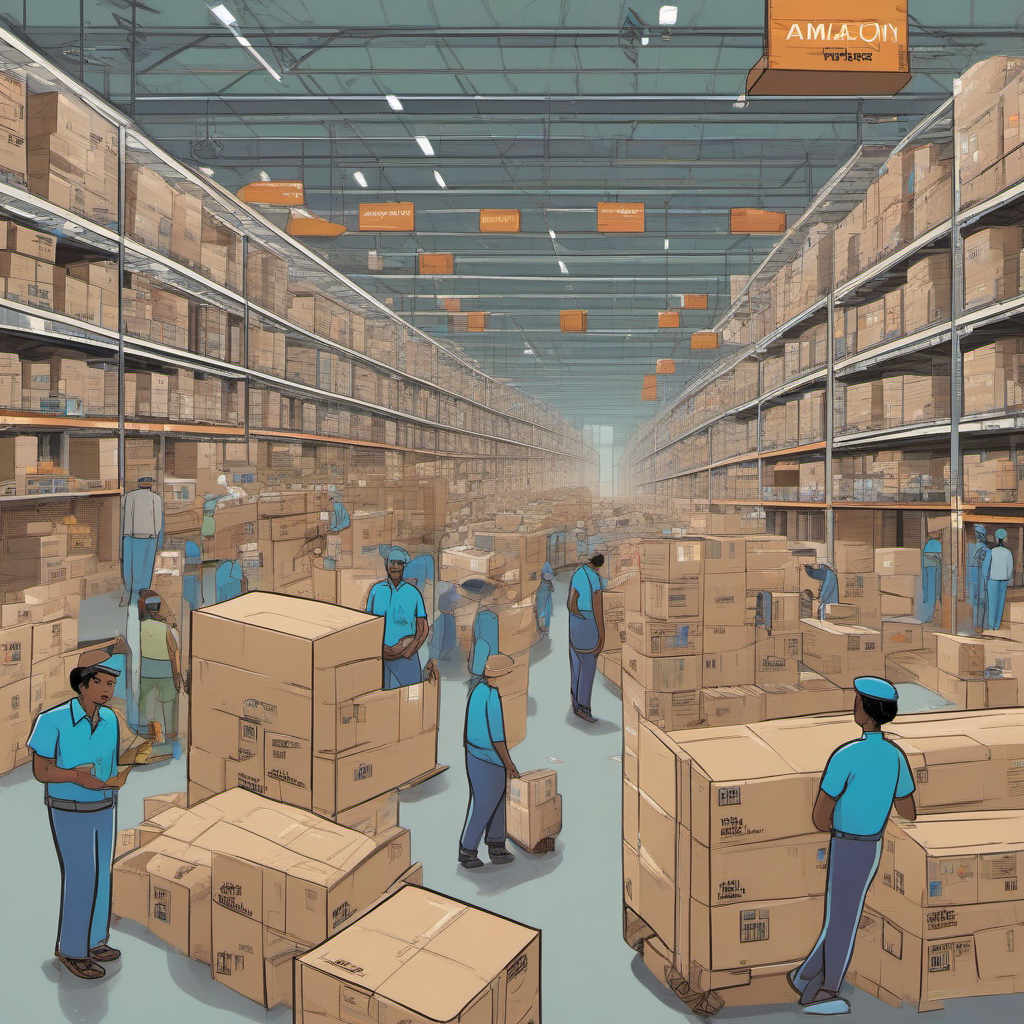
The Indian Commerce Ministry has announced a significant policy shift, exempting exports from foreign direct investment (FDI) restrictions in the e-commerce sector. This decision, aimed at boosting India’s export capabilities, opens new avenues for online marketplaces to facilitate international sales. The move is expected to benefit major players like Amazon and Flipkart, enabling them to source products from Indian sellers for resale overseas. This policy change is a response to longstanding demands from the industry, seeking to leverage India’s manufacturing potential for global markets.
### E-commerce Giants Set to Benefit
With the new policy in place, e-commerce giants such as Amazon and Walmart-owned Flipkart can now directly purchase products from Indian sellers and sell them internationally. Previously, FDI rules restricted these companies from engaging in inventory-based models for domestic sales, limiting their role to that of facilitators between buyers and sellers. The relaxation of these rules specifically for exports marks a significant departure from the earlier stance, which aimed to protect local retailers from the might of global corporations.
Amazon, for instance, has been proactive in tapping into India’s export potential. The company reported cumulative exports worth $20 billion from India between 2015 and 2025 and aims to increase this figure to $80 billion by 2030. This aligns with the Indian government’s ambitious target of achieving $200-$300 billion in e-commerce exports by the same year.
### Context and Industry Lobbying
The decision to relax FDI restrictions follows years of lobbying by industry stakeholders who argued that such measures were necessary to enhance India’s position in the global supply chain. Discussions intensified last year, with the Commerce Ministry engaging with stakeholders to evaluate the potential of pilot projects for export facilitation. Despite opposition from several retail bodies concerned about the impact on small businesses, the government has now opted to move forward with the policy change, emphasizing its export-only focus to mitigate domestic market disruptions.
This development occurs against a backdrop of increasing global competition in the e-commerce space. Countries like China have long capitalized on e-commerce exports, and India’s policy shift could help level the playing field. The relaxation of FDI norms for exports is likely to attract more foreign investment into India’s e-commerce sector, which has been a key driver of the country’s economic growth.
### Implications for India’s Startup Ecosystem
The policy change holds significant implications for India’s startup ecosystem. By facilitating easier access to international markets, the relaxation of FDI rules could spur innovation and growth among Indian startups, particularly those involved in manufacturing and product development. This could lead to increased job creation and economic activity, reinforcing India’s status as a global manufacturing hub.
The expansion of export opportunities also opens doors for tech-enabled logistics and supply chain startups that can provide the necessary infrastructure to support increased exports. Investors may find new opportunities in startups that can bridge the gap between local producers and global consumers, leveraging technology to streamline operations.
As the policy takes effect, stakeholders in India’s tech and startup ecosystem will be watching closely to see how quickly e-commerce giants leverage this new freedom. For startups and investors, the focus will be on identifying niche markets and innovative solutions that can capitalize on the expanded export potential. The next phase of growth will likely involve strategic partnerships and investments aimed at scaling operations to meet global demand.