**Oil Shock & India’s Urban Mobility**
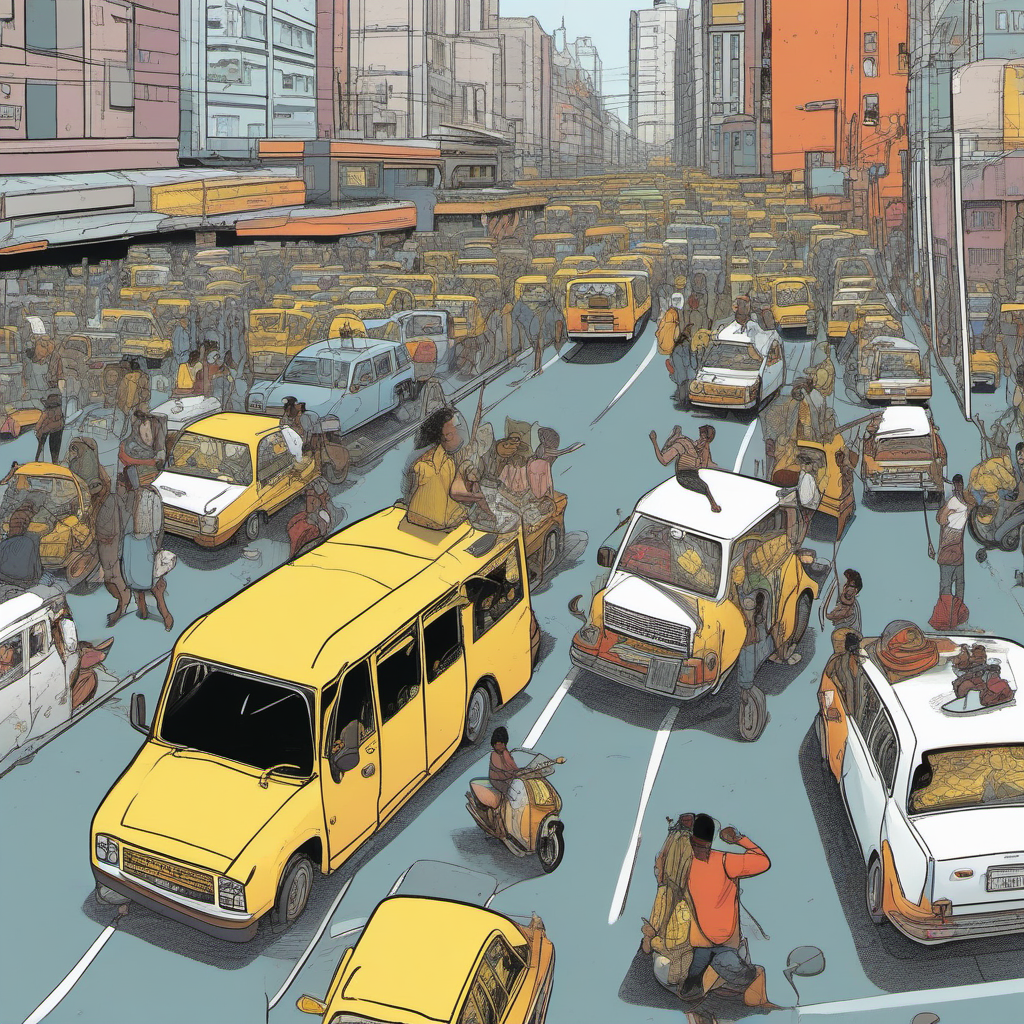
India’s ride-hailing industry is currently grappling with the impacts of a global crude oil crisis, which has led to increased fuel costs. This situation is creating a squeeze on driver margins and causing fare hikes, potentially altering urban mobility patterns in the country. As fuel prices climb, both drivers and commuters are facing significant challenges, prompting a possible shift towards shared mobility and electric vehicles.
The financial burden on drivers is becoming untenable, as fuel constitutes around 40% of their operating expenses. Drivers, particularly those who have financed their vehicles through loans, are increasingly demanding higher fares to compensate for the rising costs. However, ride-hailing platforms are caught in a difficult position; raising fares could dampen demand, while maintaining current pricing may not be sustainable for long.




There is a growing risk of a shift in consumer behavior rather than a complete collapse in demand. Price-sensitive commuters, especially those in tier-II and III cities, may start opting for more economical alternatives such as public transport or bike taxis. Shared mobility services, which include carpooling and ride-sharing, could see an uptick if fuel prices continue to rise. Additionally, electric vehicles, particularly in commercial fleets and two-wheelers, may gain traction due to their favorable operating economics despite existing challenges like supply chain and infrastructure development.
**Cashfree’s Profitability Puzzle**
In another significant development, Cashfree, a prominent player in India’s fintech sector, is navigating the competitive landscape of payment aggregators (PAs) to solve its profitability puzzle. With the Reserve Bank of India granting over 55 payment aggregator licenses in the past two years, the market remains concentrated among a few dominant players. Cashfree aims to differentiate itself through technology innovation, robust compliance frameworks, and niche product offerings tailored for specific categories.
Cashfree is focusing on mid-tier SMEs, leveraging no-code onboarding solutions, and integrating with platforms like WhatsApp for seamless client interactions. The company is also emphasizing instant settlements as a key feature to attract and retain clients. Despite the crowded market, Cashfree’s strategic initiatives could help it carve out a sustainable position in the PA space.
The Indian fintech landscape is rapidly evolving, with companies like Cashfree striving to maintain a competitive edge through innovation and strategic partnerships. As the fintech sector continues to grow, competition will likely intensify, pushing companies to further refine their offerings and operational efficiencies.
**Implications for India’s Startup Ecosystem**
The current challenges faced by the ride-hailing and fintech sectors illustrate broader trends impacting India’s startup ecosystem. Rising input costs, regulatory changes, and shifts in consumer behavior are compelling startups to innovate and adapt quickly. For the mobility sector, this might mean accelerating the transition to electric vehicles and shared mobility solutions, which could lead to new business models and partnerships.
Similarly, fintech companies are under pressure to differentiate themselves in a crowded market. The focus on technology, compliance, and customer-centric solutions will be crucial for sustaining growth and profitability. As startups navigate these challenges, there is a significant opportunity for those that can effectively anticipate and respond to market dynamics.
For founders and investors, staying attuned to these shifts is critical. The ride-hailing and fintech sectors are poised for transformation, and those who can pivot quickly are likely to emerge as leaders. Investors should watch for startups that demonstrate agility and innovation in response to these challenges, as they could offer promising opportunities for growth and collaboration.