India generates hundreds of millions of tonnes of agricultural residue annually, much of which is either burned, contributing to air pollution, or discarded. Meanwhile, various industries, including packaging, cosmetics, textiles, and chemicals, continue to depend on fossil-derived raw materials. This gap between agricultural waste and industrial needs is where altM positions itself, aiming to bridge the divide by transforming agricultural residue into valuable bio-based materials.
### A Manufacturing Lens on Climate
The inception of altM is rooted in the experiences of its founders, Apoorv Garg and Yugal Raj Jain, both of whom have a background at Tesla, where they contributed to scaling manufacturing operations. Garg’s exposure to climate-focused technologies at Prometheus Fuels highlighted the challenge of advancing scientific innovations beyond the laboratory stage. Jain, on the other hand, explored India’s potential as a manufacturing hub for sustainable materials. Together, they identified the opportunity to leverage India’s agricultural residue to produce bio-based materials at scale, potentially shifting the country from a consumer to a producer in the global materials innovation landscape.




### Turning Residue into Raw Material
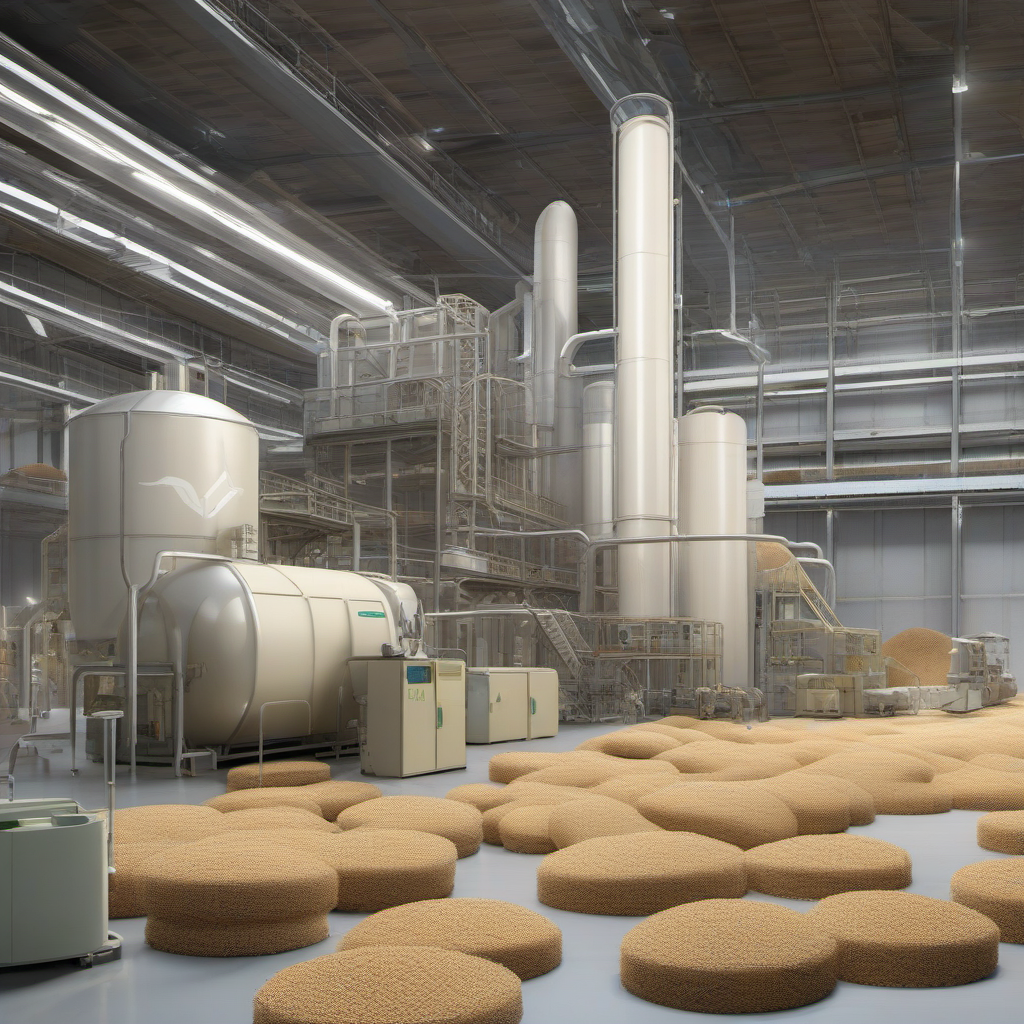
altM, or “alternate materials,” focuses on developing bio-based chemicals and biomaterials using agricultural residue like rice straw, wheat straw, and sugarcane bagasse. The process involves breaking down biomass into fractions such as cellulose, hemicellulose, lignin, and silica, which are then upgraded into specialty biochemicals and biomaterials through proprietary pathways devised by altM’s R&D team. The company aims to replace petrochemical-derived raw materials across various industries, including beauty and personal care, packaging, construction, textiles, and industrial chemicals. To date, altM has advanced three products to demo scale, ready for pilot plant production: a cellulose-based rheology modifier for cosmetics, a lignin-based formaldehyde-free wood adhesive, and a lignin-derived SPF booster for cosmetic applications.
### Building from the Plant Floor Up
Founded in Bengaluru in 2022, altM initially incubated at the Bangalore Bioinnovation Centre before establishing its own R&D and pilot manufacturing facility in late 2024. The company’s structure emphasizes a manufacturing-first approach, with an R&D team dedicated to developing and scaling new molecules. Unlike many bio-based material companies that focus on a single biomass fraction, altM’s integrated biorefinery model processes the entire agri-residue stream, simultaneously generating multiple outputs. This approach enhances both the utilization of materials and the economic viability of production.
The startup’s progress reflects a growing trend in India’s startup ecosystem where innovation meets sustainability. With an increasing global demand for sustainable products, altM’s model could position India as a leader in the bio-based materials sector, potentially attracting more investment into this space.
As altM continues to develop its technology and scale its operations, the next steps will involve moving from pilot production to commercial-scale manufacturing. For founders and investors, watching how altM navigates this transition will be crucial. Success in scaling could pave the way for similar ventures, encouraging the utilization of agricultural residue and driving India’s role as a key player in sustainable materials production worldwide.