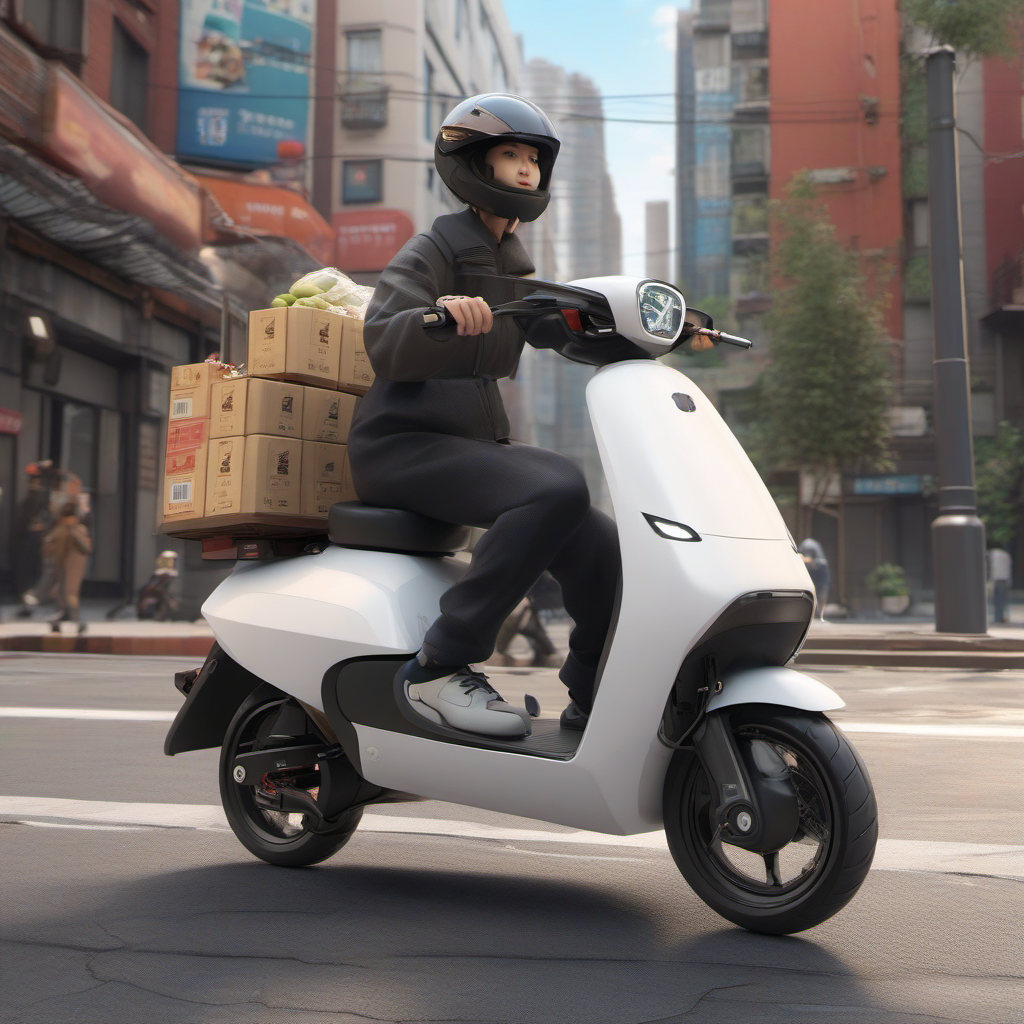
Ola Electric has obtained regulatory approval to launch a new electric scooter targeting India’s burgeoning commercial mobility market. This development positions Ola Electric to potentially enter the fast-evolving commercial electric vehicle (EV) two-wheeler segment within this quarter, according to a government certification document.
### Ola Electric’s New Venture
The approval, granted by the Automotive Research Association of India under the Central Motor Vehicle Rules, pertains to a scooter in the L1 category. This vehicle is equipped with a 4-kilowatt motor and can reach speeds of up to 70 kilometers per hour. The scooter is reportedly based on Ola Electric’s existing S1 platform but has been adapted for commercial uses such as food delivery, logistics, and urban fleet operations. Such configurations aim to optimize operating economics, range, and fleet utilization—crucial factors for delivery riders and fleet operators.
Related Posts




### Market Context and Competitive Landscape
Ola Electric’s entry into the commercial mobility EV segment is timely, given the rising fuel prices due to geopolitical tensions near the Strait of Hormuz and the increasing operating costs for gig workers who predominantly use petrol-powered two-wheelers. The push for electrification is further supported by policy changes, such as Delhi’s draft EV Policy 2026, which proposes phasing out new registrations of internal combustion engine two-wheelers within two years. These factors could accelerate the shift towards electric commercial fleets.
The commercial EV two-wheeler market is perceived as a significant growth opportunity due to the high daily vehicle utilization rates and quicker replacement cycles characteristic of delivery and mobility fleets. With Ola Electric’s potential entry, the competition in this space is set to intensify, attracting attention from other players looking to capitalize on the market’s growth potential.
### Implications for India’s Startup Ecosystem
The launch of a commercial e-scooter by Ola Electric could have far-reaching implications for India’s startup ecosystem. It highlights the shifting focus towards sustainable and economically viable transportation solutions. As more startups and established companies venture into the commercial EV sector, it could spur innovation and investment in battery technology, charging infrastructure, and fleet management solutions. This shift also aligns with the broader global trend of moving towards cleaner energy alternatives, reinforcing India’s commitment to reducing carbon emissions.
The commercial EV segment is increasingly being viewed as a significant volume driver for EV manufacturers, which could lead to more collaborations between tech startups and traditional automotive companies. Such partnerships could foster the development of advanced technologies and create new business models, driving the sector’s progress.
### What’s Next?
As Ola Electric moves closer to launching its commercial e-scooter, industry stakeholders will be keenly watching for the official rollout and its impact on the market dynamics. For founders and investors, the focus will be on how Ola Electric’s entry influences the competitive landscape and what opportunities arise for new entrants and ancillary service providers. The success of this venture could set a precedent for other companies considering entering the commercial EV space, making it a segment to watch closely in the coming months.