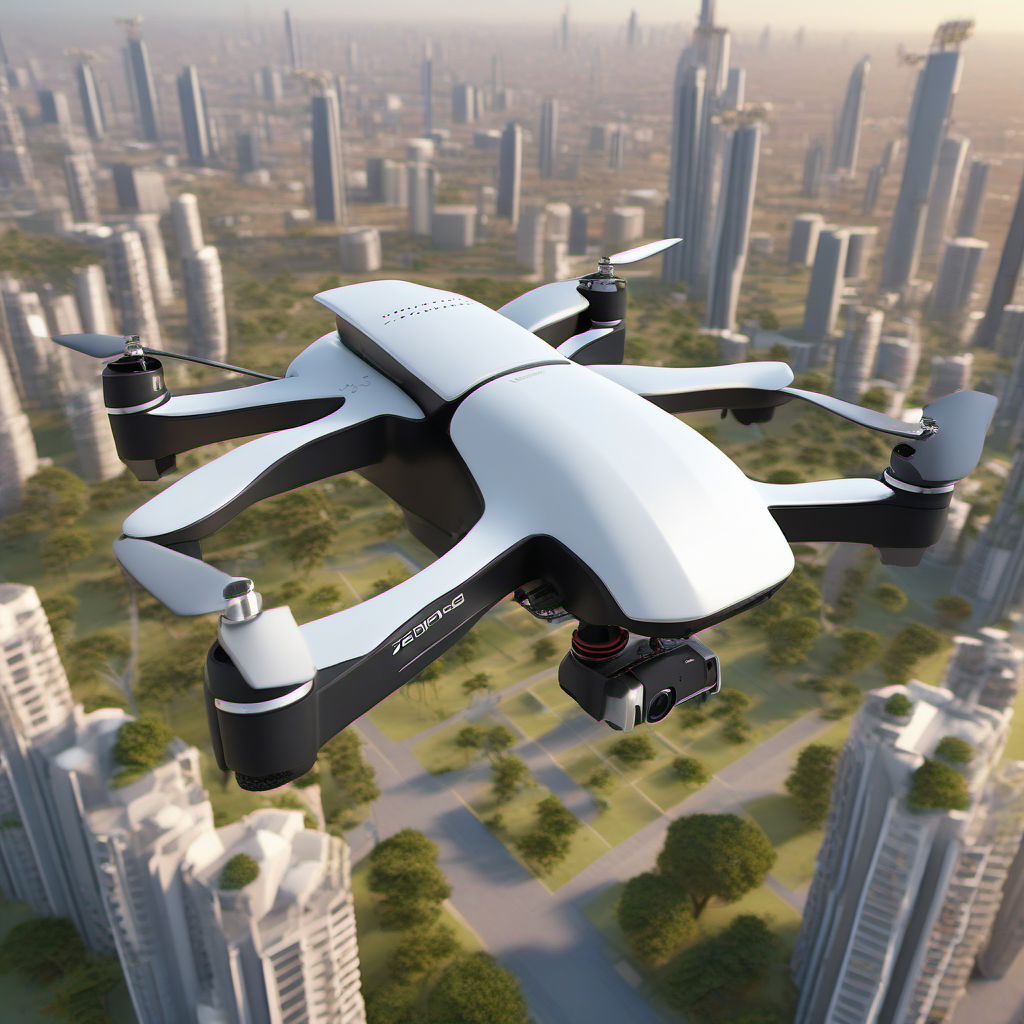
ZeroDrag, a Nagpur-based company specializing in drone avionics and UAV sub-components, has secured Rs 6.5 crore in seed funding led by Transition VC. This funding round marks a significant milestone for the startup, which previously raised Rs 1.2 crore in pre-seed funding from Enrission India Capital and other angel investors. The investment is aimed at enhancing ZeroDrag’s R&D capabilities, manufacturing capacity, and supply chain stability, positioning the company to accelerate the development of next-generation UAV avionics for both Indian and global markets.
### ZeroDrag’s Unique Proposition
Founded in 2022 by Amit Nimje and Shantanu Bhede, ZeroDrag is committed to developing indigenous electronics and communication systems specifically for drones. The company offers an array of products including autopilots, motor controllers, GNSS modules, telemetry systems, and payload integration systems. These components are designed to serve a variety of drone manufacturers and enterprise UAV platforms across sectors like defense, agriculture, logistics, and industrial applications. ZeroDrag’s OEM-agnostic approach allows it to cater to a wide range of drone platforms and use cases, making it a versatile player in the UAV sector.
Related Posts



### Competitive and Funding Landscape
ZeroDrag operates in a competitive market, contending with established players such as Holybro, Caddx, SpeedyBee, and HGLRC. The seed funding comes at a time when the Indian drone ecosystem is gaining momentum, driven by favorable government policies like the Drone Rules 2021, which aim to simplify drone operations and promote domestic manufacturing. In this environment, venture capital interest is also rising, with investors keen on supporting startups that offer innovative solutions in the UAV space. ZeroDrag’s focus on building foundational electronics for drones may give it an edge in a market that is projected to grow rapidly in the coming years.
### Implications for India’s Startup Ecosystem
ZeroDrag’s successful funding round underscores the increasing investor confidence in India’s burgeoning drone sector. The company’s commitment to indigenous development aligns with the Indian government’s push for self-reliance in technology and manufacturing. By expanding its R&D and manufacturing capabilities, ZeroDrag is poised to contribute significantly to the local supply chain, potentially reducing dependency on foreign components. This could inspire other startups to focus on developing cutting-edge technologies within India, thereby strengthening the overall tech ecosystem.
The next phase for ZeroDrag involves scaling its manufacturing capabilities and expanding its product portfolio to include enterprise-grade UAV hardware, such as systems for heavy-lift drones and future eVTOL platforms. For investors and stakeholders, the company’s progression will be an indicator of how well Indian startups can compete on a global scale in the high-tech UAV sector. As ZeroDrag advances, it will be crucial to monitor how effectively it leverages its new capital to achieve these ambitious goals.