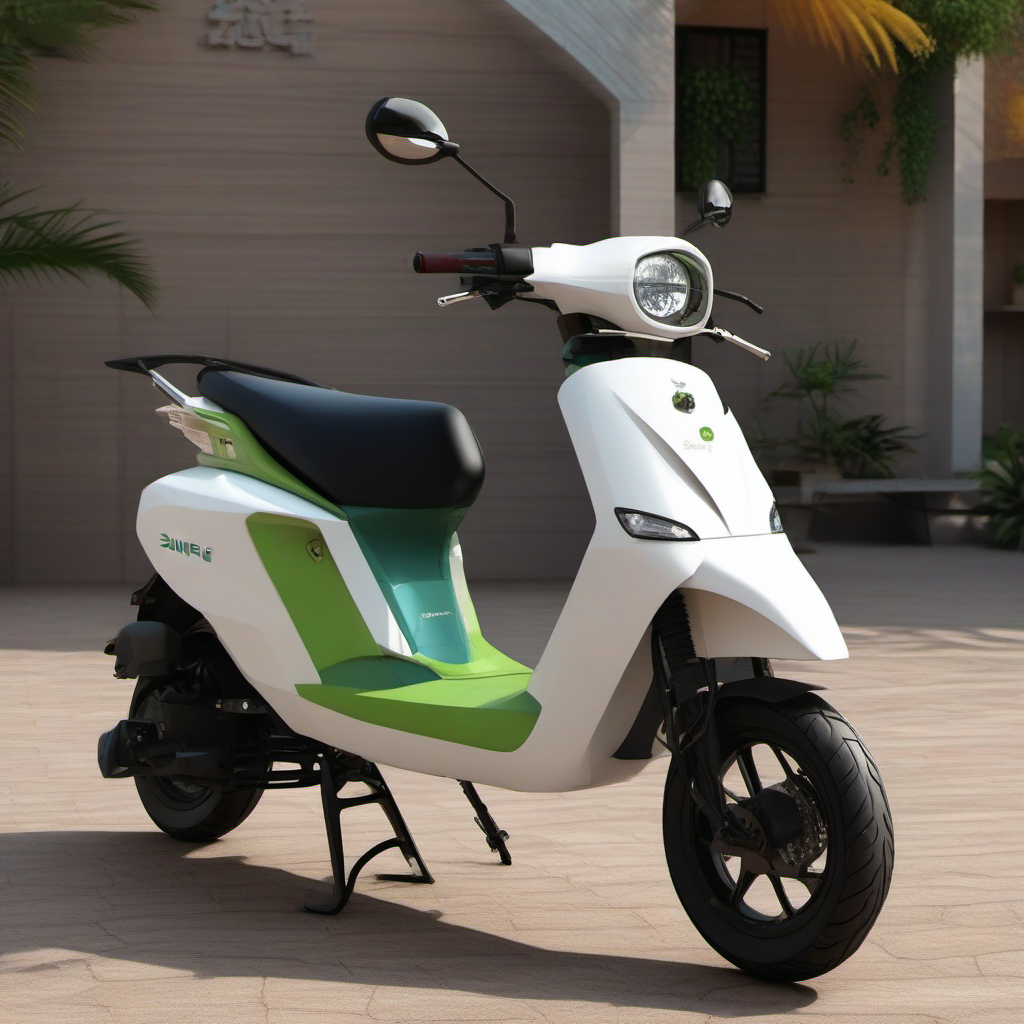
Simple Energy, a Bengaluru-based electric two-wheeler manufacturer, has successfully secured Rs 250 crore in a Series B funding round. The round was led by the family office of Arokiaswamy Velumani and included participation from the company’s founders, Suhas Rajkumar and Ankit Gupta. The funding, which comprises both equity and debt, will primarily support the company’s manufacturing expansion and product development efforts.
### Company Overview
Founded in 2019, Simple Energy has quickly positioned itself as a key player in India’s burgeoning electric vehicle (EV) sector. The company is known for producing long-range, performance-focused electric scooters. Currently, it boasts a production capacity of 3,000 units per month and aims to increase this number significantly. The funds raised will enable Simple Energy to scale its production capabilities and enhance its infrastructure. Additionally, the company plans to invest in research and development to improve its product offerings and customer experience.
### Market Context and Competition
Simple Energy operates in a highly competitive market, with significant players such as Ola Electric, Ather Energy, and Bajaj Chetak. The Indian EV market is expected to grow exponentially, driven by government incentives and a shift towards sustainable mobility solutions. Simple Energy’s recent funding is indicative of the strong investor confidence in the sector, despite the challenges of scaling production and maintaining cost-effectiveness. The company has reported a revenue increase from Rs 40 crore in FY25 to Rs 170 crore in FY26, underscoring its growth trajectory. With the backing of HDFC Bank, Capitar Ventures, and other Non-Banking Financial Companies (NBFCs), Simple Energy is well-positioned to compete with its peers.
### Implications for India’s Startup Ecosystem
The successful funding round for Simple Energy highlights the growing interest in India’s EV sector among investors. This trend is reflective of a broader shift in the startup ecosystem, where sustainability and innovation are increasingly at the forefront. The company’s plans to expand its retail presence to cities like Ranchi, Bhubaneshwar, and Cuttack suggest a strategic move to capture a wider market share. Furthermore, Simple Energy’s focus on developing heavy rare earth-free motors could set a precedent for innovation in India’s EV manufacturing landscape. This development not only strengthens the company’s competitive edge but also aligns with national goals of reducing import dependency for critical raw materials.
### Future Outlook
As Simple Energy continues to expand its manufacturing capabilities and market reach, it is poised to play a significant role in shaping the future of India’s EV market. The company’s target of increasing monthly sales to 10,000 units by March 2027 is ambitious, but with the recent influx of capital, it appears to be within reach. For founders and investors in the EV space, monitoring Simple Energy’s growth and technological advancements could provide valuable insights into the evolving dynamics of the market. As the company scales, its ability to maintain quality and innovation will be critical to sustaining its competitive advantage.