Marine robotics startup Rekise Marine has secured $9.7 million in seed funding to propel the development of its autonomous underwater vessels. The investment round, led by Accel and NKSquared, also included contributions from notable investors such as Zerodha cofounder Nikhil Kamath, Sameer Brij Verma, and Sandeep Singhal. This funding underscores the growing interest in India’s burgeoning defense tech sector, particularly in maritime autonomy.
### Rekise Marine’s Ambitious Endeavor
Founded in 2017 by naval architect Maitrai Maka and Retired Rear Admiral Shekhar Mital, Rekise Marine is at the forefront of developing autonomous surface and underwater vessels. The startup’s approach is to treat vessel design, sensor integration, and software development as a holistic platform, which it argues is crucial for building reliable autonomous systems. Their in-house production capabilities are augmented by partnerships with India’s leading shipyards, including Goa Shipyard Limited and GRSE Limited.




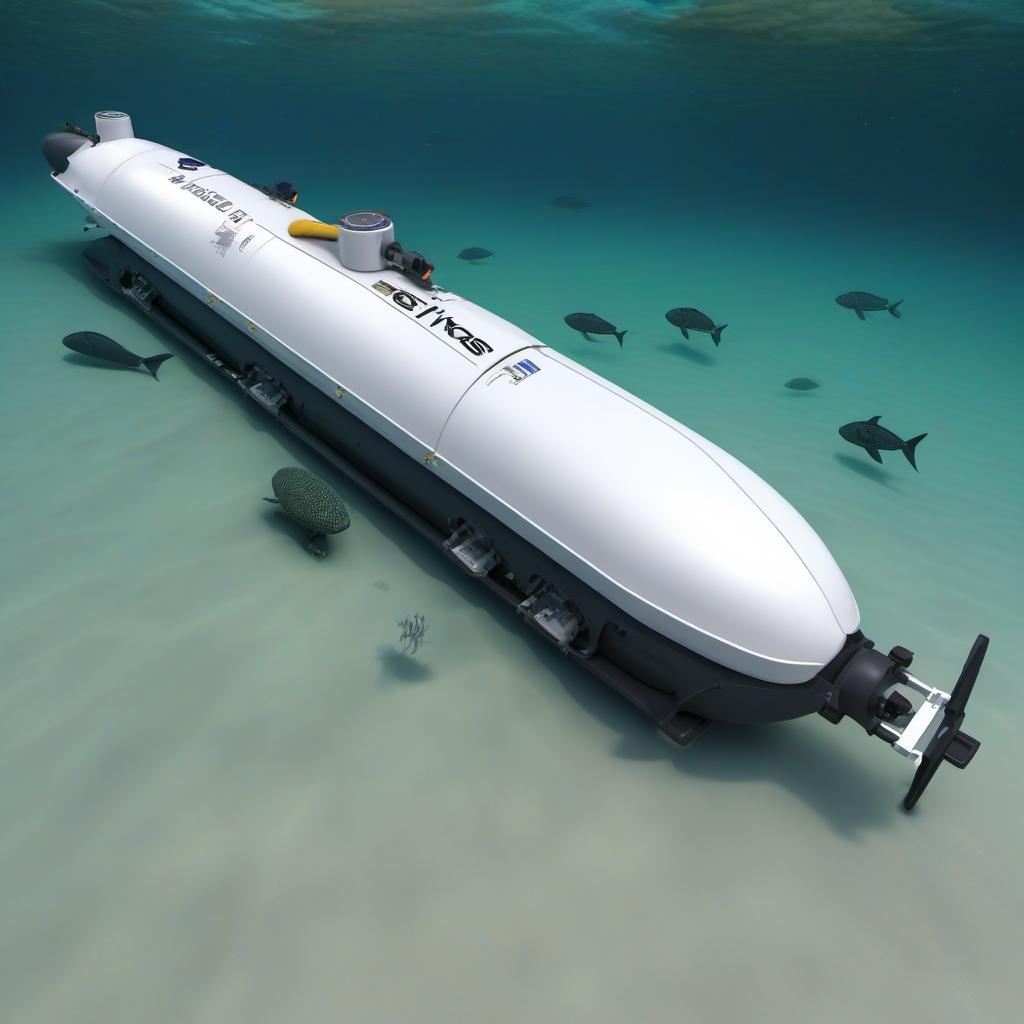
Rekise Marine’s current projects include autonomous surface vessels like Jaldoot and Swadheen. However, the spotlight is on Jalkapi, an extra-large autonomous underwater vehicle (AUV) designed for extended missions. At 11 meters in length and weighing approximately 20 tonnes, Jalkapi aims to be one of the most advanced unmanned underwater platforms in India. The fresh funds will expedite Jalkapi’s production and sea trials, marking a significant milestone in the startup’s journey.
### The Competitive Landscape
Rekise Marine’s funding round is part of a broader trend in India’s defense tech sector, which is experiencing rapid growth. The country’s defense market is projected to expand significantly, from $27 billion in 2025 to $40 billion by 2030. A substantial portion of this growth is driven by innovations in new-age technologies such as drones, autonomous systems, and naval architecture.
Government support plays a pivotal role in this ecosystem. Initiatives like the Ministry of Defence’s iDEX and ADITI schemes provide grants for prototype development and advanced technology projects. The Defence Research and Development Organisation (DRDO) further bolsters this with its Technology Development Fund (TDF), supporting startups working on robotics and autonomous systems. These programs create a conducive environment for startups like Rekise Marine to thrive and innovate.
### Implications for India’s Startup Ecosystem
Rekise Marine’s success story highlights the potential of India’s defense tech startups to contribute to national security and economic growth. The infusion of capital into such ventures not only accelerates technological advancements but also positions India as a significant player in the global defense market. The startup’s focus on indigenous development aligns with the government’s vision of self-reliance in defense production.
For founders and investors in the Indian startup ecosystem, Rekise Marine’s trajectory offers a blueprint for navigating the complex landscape of defense technology. It underscores the importance of strategic partnerships, government collaboration, and a robust engineering foundation. As the defense market continues to expand, stakeholders should watch for emerging opportunities in related sectors and the impact of regulatory changes on startup growth.
Looking ahead, Rekise Marine’s progress with Jalkapi and its integration into India’s defense capabilities will be pivotal. Successful deployment could set a precedent for other startups and reinforce the strategic value of autonomous maritime technologies. Investors and industry observers should keep an eye on the outcomes of Jalkapi’s sea trials and subsequent deployments, which could redefine the capabilities and expectations of unmanned naval systems in India.