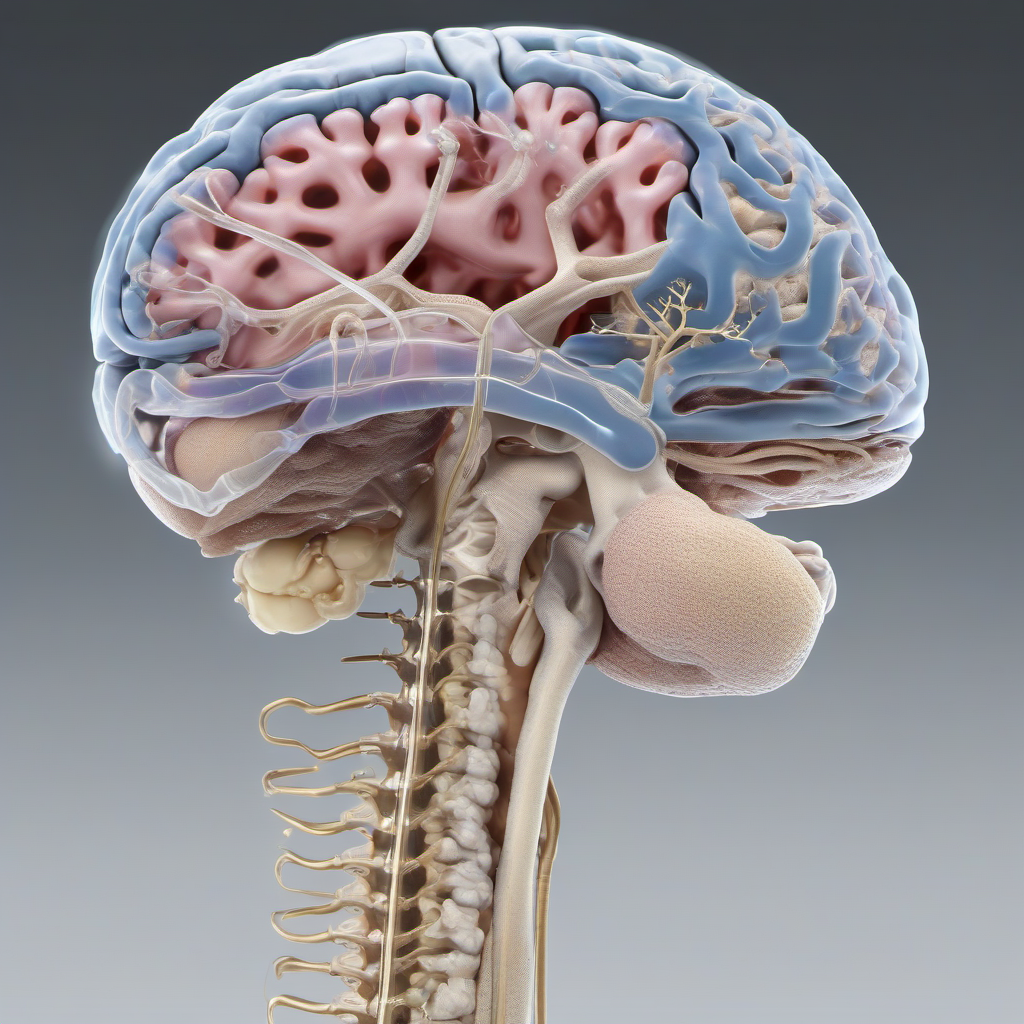
In a significant breakthrough for Indian neuroscience, the Indian Institute of Technology Madras (IIT Madras) has unveiled what it claims to be the world’s most detailed three-dimensional atlas of the human brainstem. This development is pivotal as it offers intricate insights into one of the brain’s most complex and least understood regions, potentially revolutionizing clinical approaches and research in neurobiology.
### ANCHOR: A Groundbreaking Atlas
The atlas, known as ANCHOR (Atlas of Neurochemical Characterization of the Human Brainstem with 3D Reconstruction), was developed by the Sudha Gopalakrishnan Brain Centre at IIT Madras. It was officially introduced during the 3rd BRICS Neuroscience Symposium 2026 at the IIT Madras campus. ANCHOR provides a comprehensive, multi-modal 3D map of the brainstem, detailing its structure down to individual cells and spanning human development from prenatal stages to adulthood.




The project boasts remarkable figures, reconstructing more than 200 brainstem nuclei and fibre tracts from hundreds of serial tissue sections. Additionally, it employs eight complementary immunostains across over 500 sections to differentiate neurochemical cell types. The atlas integrates MRI, histology, and detailed chemo-architecture into a cohesive 3D resource, all accessible freely online to global researchers, clinicians, and patients.
### The Importance of the Brainstem
The brainstem, though small, is crucial as it connects the brain to the spinal cord and manages vital functions such as breathing, sleep, and wakefulness. Despite its significance, its dense architecture has made it challenging to map in detail. ANCHOR’s detailed mapping can aid in diagnosing and treating conditions associated with brainstem lesions by identifying affected cell populations.
This advancement holds promise for clinical applications, potentially serving as an invaluable reference for understanding and addressing various neurological conditions. By offering precise anatomical and neurochemical data, ANCHOR could enhance treatment planning and outcomes for patients suffering from brainstem-related issues.
### Implications for the Indian Startup Ecosystem
The creation of ANCHOR underscores IIT Madras’s commitment to pioneering research and innovation. It not only highlights India’s capability to contribute to global scientific advancements but also positions the country as a leader in neurobiological research. This achievement reflects the growing trend of Indian institutions and startups making significant strides in deep tech and biotech sectors, which could attract increased interest and investment in these areas.
The brain mapping initiative could inspire further collaborations between academia and industry, fostering an environment conducive to innovation and entrepreneurship. As Indian startups explore opportunities in healthcare technologies, AI, and computational biology, resources like ANCHOR provide a solid foundation for developing cutting-edge solutions.
### What Comes Next
The success of ANCHOR may lead to further developments in brain mapping and neurobiology research, with IIT Madras likely to extend its high-throughput imaging capabilities to other brain regions and disease states. For founders and investors, this represents a burgeoning field ripe with potential for new ventures and collaborations. Watching how IIT Madras expands this technology and its applications could offer valuable insights into future opportunities within India’s tech ecosystem.