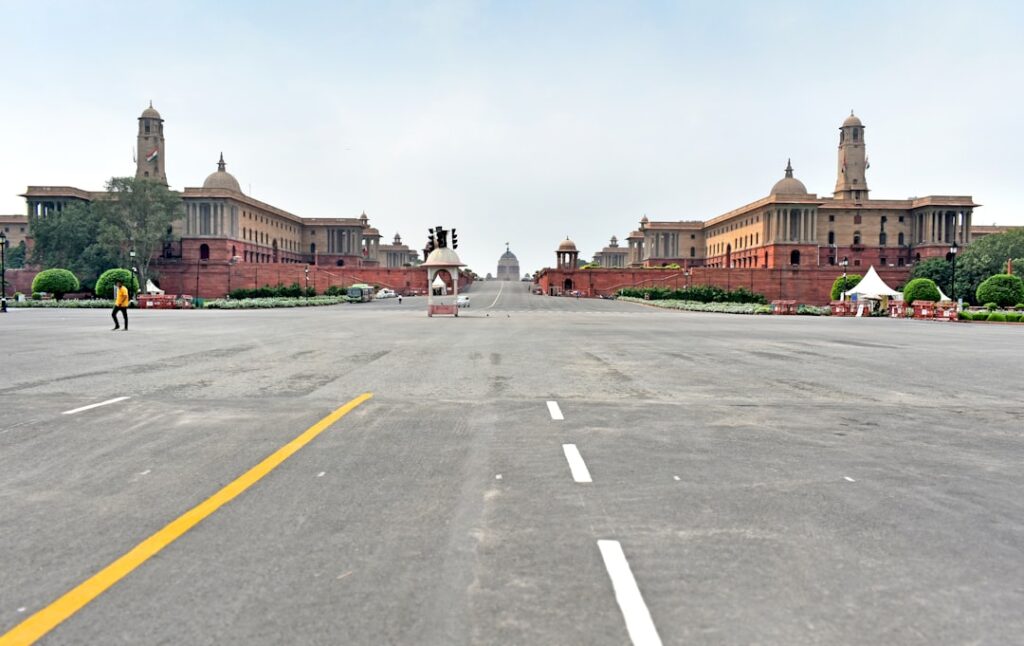
The Delhi government has officially notified the “Delhi Electric Vehicles Policy 2026,” marking a significant push towards sustainable transport solutions in the national capital. This policy is poised to transform the landscape of electric mobility in Delhi, aiming to enhance air quality and foster a conducive environment for electric vehicles (EVs). The policy, effective from July 1, 2026, is a key step in addressing the city’s pressing vehicular pollution issues, which contribute significantly to Delhi’s air quality challenges.
### The Policy and Its Provisions
Under the new policy, the Delhi government has announced several incentives to encourage the adoption of electric vehicles. Notably, electric cars with an ex-showroom price of up to Rs 30 lakh will be exempt from road tax and registration fees. Furthermore, the policy mandates that only electric auto rickshaws will be registered from January 1, 2027, and the registration of new petrol and CNG two-wheelers will be phased out by April 1, 2028, with only electric two-wheelers being registered thereafter.
To further incentivize the switch to electric two-wheelers, the policy offers a tiered subsidy system: Rs 30,000 in the first year, Rs 20,000 in the second year, and Rs 10,000 in the third year. The policy also includes plans to invest Rs 15,000 crore over the next four years to bolster electric mobility, including the establishment of over 30,000 EV charging points across Delhi.
### Context and Competition
Delhi’s aggressive EV policy comes at a time when the Indian EV market is witnessing rapid growth, with multiple startups and established automobile companies competing for a share of this burgeoning sector. Companies like Ola Electric, Ather Energy, and Hero Electric are rapidly expanding their footprints, driven by both government incentives and growing consumer interest in sustainable transport options. The policy aligns with national initiatives aimed at reducing the carbon footprint and promoting renewable energy sources, positioning Delhi as a leader in urban electric mobility.
The policy also encompasses the future introduction of hydrogen fuel-based vehicles, reflecting a broader commitment to clean energy solutions. This move is part of a Memorandum of Understanding with NTPC Limited to introduce hydrogen-powered buses in Delhi, leveraging Corporate Social Responsibility initiatives to facilitate the transition.
### Implications for India’s Startup Ecosystem
The Delhi Electric Vehicles Policy 2026 is expected to have significant implications for startups and investors in the EV sector. By fostering a supportive ecosystem for electric mobility, the policy opens up opportunities for innovation in battery technology, charging infrastructure, and sustainable vehicle manufacturing. Startups focusing on EV-related technologies can leverage these incentives to develop cost-effective solutions and scale their operations.
Moreover, the policy’s commitment to hydrogen fuel technology sets a precedent for exploring alternative clean energy solutions, potentially attracting new investments and collaborations in this niche sector. As vehicular emissions account for nearly 23% of Delhi’s air pollution, the policy’s successful implementation could serve as a model for other Indian cities grappling with similar environmental challenges.
The Delhi government’s commitment to reducing vehicular pollution and promoting sustainable transport solutions is a significant stride towards a cleaner future. For founders and investors, this policy signals a robust market opportunity in the EV and clean energy sectors. The next few years will be crucial in observing how effectively the policy is implemented and whether it can inspire similar initiatives in other regions of India. The progress of hydrogen fuel technology adoption will also be a key area to watch, as it could redefine public transport solutions in urban India.