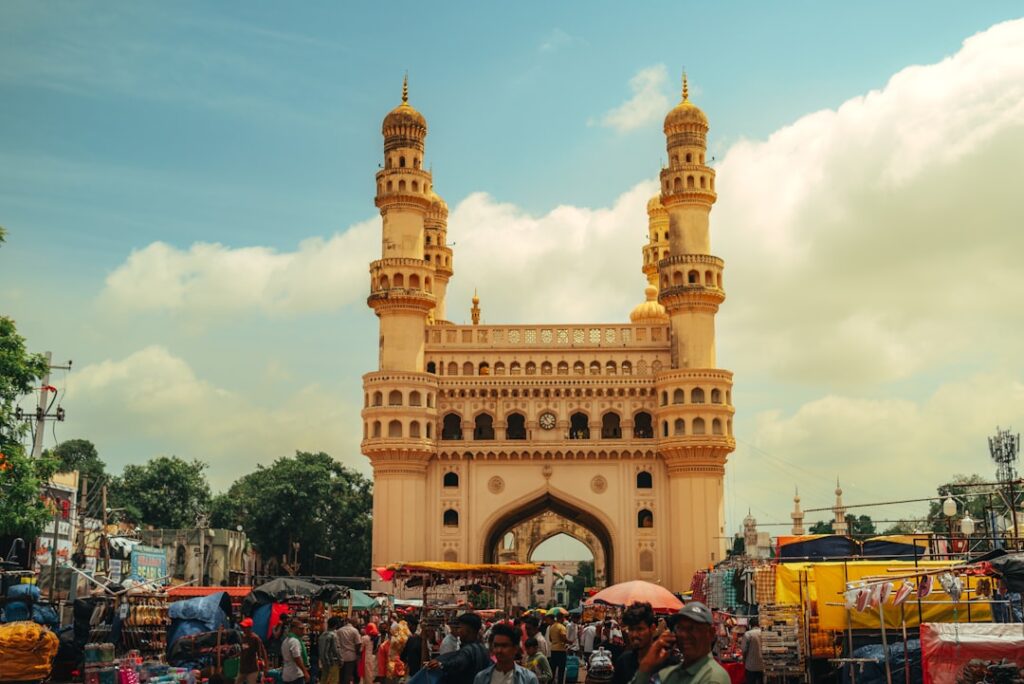
The first half of 2026 has witnessed an unexpected shift in the landscape of startup funding in India. Hyderabad emerged as a significant player, while traditional hubs like Delhi and Mumbai saw a decline. This development highlights Hyderabad’s growing influence in the tech ecosystem and suggests a rebalancing of investment focus across the country.
### Hyderabad’s Rise in the Startup Scene
Hyderabad has recorded a remarkable 45% year-on-year increase in startup funding, raising over $226 million in the first six months of 2026. The city also saw an 83% rise in deal activity, with 22 deals completed. This surge is largely attributed to Skyroot Aerospace’s successful $60 million funding round, which positioned it as India’s first spacetech unicorn with a valuation of $1.1 billion. Other local startups like Dhruva Space, Recykal, and Liquidnitro Games also contributed to the city’s burgeoning startup scene.
The growth in Hyderabad indicates a maturing ecosystem that is beginning to attract significant investor interest. The city’s strategic focus on sectors like spacetech and sustainability seems to be paying off, drawing investors who are looking for innovative and high-growth opportunities.
### The Broader Funding Landscape
While Hyderabad’s rise is notable, Bengaluru continues to lead the pack as India’s most well-funded startup hub, with over $2.7 billion raised across 165 deals. This represents an 8% increase in funding and a 15% increase in deal count year-on-year. Bengaluru’s consistent performance underscores its status as the nerve center of India’s tech industry, hosting a plethora of mature tech companies and a vibrant startup ecosystem.
Contrastingly, Delhi NCR and Mumbai have experienced contractions in funding. Delhi NCR’s funding fell by 39% to just over $917 million, despite a 16% increase in deal count. Mumbai saw a 31% decline in funding, raising over $587 million across 60 deals. These declines suggest a possible recalibration of investment strategies by venture capitalists, who might be exploring opportunities in emerging hubs like Hyderabad and Chennai, which also reported a 26% increase in funding.
### Implications for India’s Startup Ecosystem
The shifts in funding patterns could signal a broader trend of decentralizing investment from traditional hubs to emerging cities. This is a positive development for the Indian startup ecosystem, as it encourages regional diversity and innovation. It also suggests that investors are becoming more open to exploring opportunities beyond the established corridors, potentially leading to a more balanced tech landscape across the country.
For founders and entrepreneurs, this trend could mean more access to capital and resources in cities that were previously overshadowed by the likes of Bengaluru and Delhi NCR. Investors, on the other hand, might find new opportunities to tap into untapped markets with unique local insights and advantages.
The next six months will be crucial in determining whether Hyderabad can maintain its momentum and whether other emerging hubs will follow suit. Investors and entrepreneurs should keep an eye on the developments in these regions, as they may redefine investment patterns and the growth trajectory of the Indian startup ecosystem.