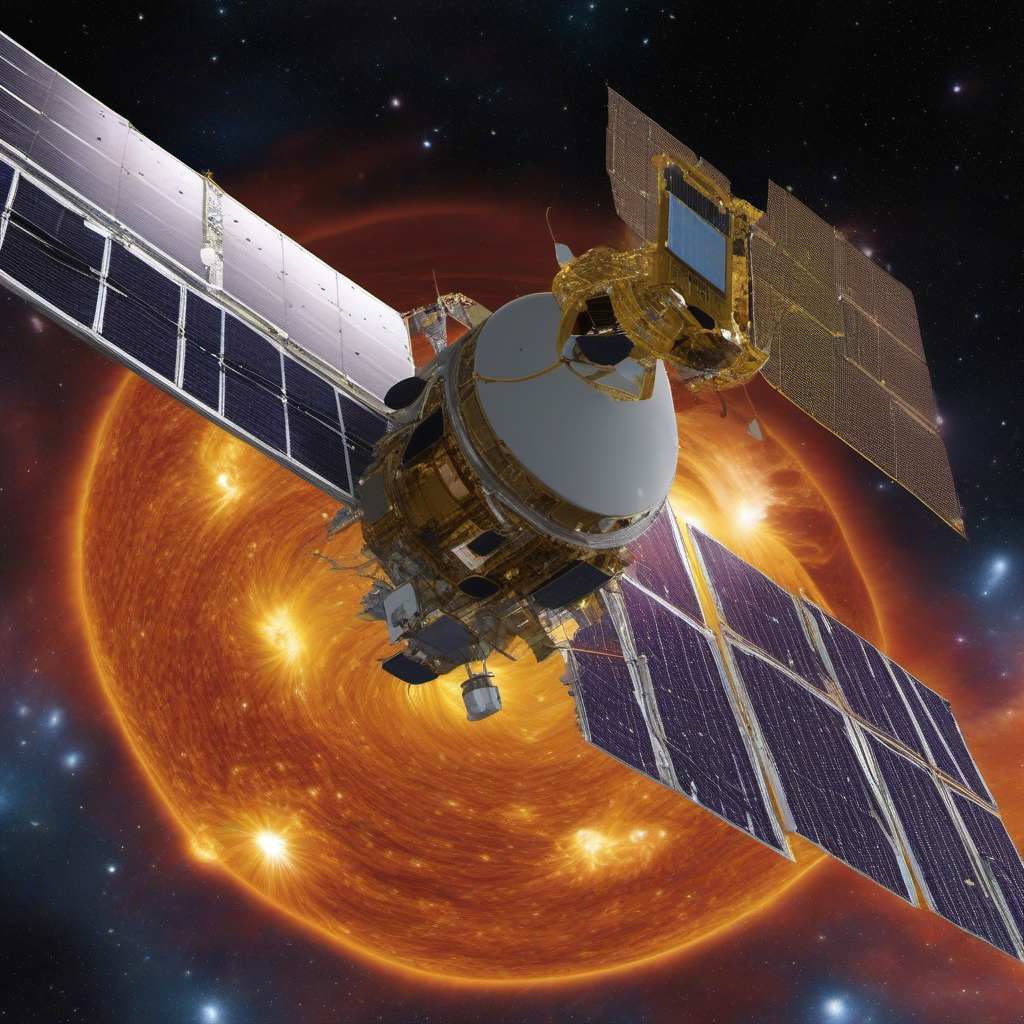
GalaxEye, a Bengaluru-based spacetech startup, has reported a significant setback in its ‘Mission Drishti’ Earth observation initiative. The startup lost communication with its OptoSAR satellite following a geomagnetic solar storm. This mission was critical for GalaxEye as it sought to establish its credibility in the competitive Earth observation sector by offering all-weather, day-and-night imaging capabilities through a combination of optical and synthetic aperture radar (SAR) technologies.
### GalaxEye’s Mission and Technology
Founded in 2021 by Suyash Singh, Denil Chawda, Kishan Thakkar, Pranit Mehta, and Rakshit Bhatt, GalaxEye aims to pioneer multi-sensor Earth observation satellites. Its OptoSAR satellite was designed to enhance imaging capabilities for sectors including defense, agriculture, infrastructure, and disaster management. The satellite successfully completed most of its Launch and Early Orbit Phase (LEOP) activities, validating key systems before the anomaly occurred. Despite the setback, GalaxEye’s CEO, Suyash Singh, emphasized the invaluable engineering insights gained, which will benefit future missions.
### The Competitive Spacetech Landscape
The loss of communication comes at a crucial time for India’s spacetech industry, which is experiencing increased investor interest. The sector is projected to reach $21 billion by 2030, growing at a compound annual growth rate (CAGR) of 11.2% from 2024. GalaxEye recently secured approximately ₹44.2 crore in an extended Series A funding round, contributing to an overall funding of $27 million. Investors like Anicut Capital and Faad Network have shown confidence in the startup’s potential. This development follows Skyroot Aerospace’s achievement of becoming India’s first spacetech unicorn, highlighting the sector’s growing momentum.
### Implications for India’s Startup Ecosystem
GalaxEye’s experience underscores the challenges and opportunities inherent in India’s burgeoning spacetech industry. The startup’s commitment to launching two additional OptoSAR satellites within the next 24 months demonstrates resilience and ambition, qualities vital for success in this high-stakes arena. As the Indian government continues to support private sector participation in space exploration, startups like GalaxEye are well-positioned to contribute significantly to national and global technological advancements.
The next steps for GalaxEye involve leveraging the lessons learned from Mission Drishti to enhance system reliability and execution in future launches. For founders and investors in the Indian spacetech industry, GalaxEye’s journey serves as a reminder of the sector’s potential and the importance of robust risk management strategies. Observers should watch for GalaxEye’s next launches as indicators of technological advancement and market confidence in India’s spacetech capabilities.