In June 2026, Manam Chocolate successfully secured $9 million in a Series A funding round, signaling a growing interest in India’s burgeoning direct-to-consumer (D2C) chocolate market. This investment highlights a shift in the consumer goods sector, where chocolates are gaining traction as a viable investment category. With the Indian chocolate market expected to nearly double by 2033, this development could reshape the landscape for consumer startups in the country.
### Manam Chocolate’s Unique Approach
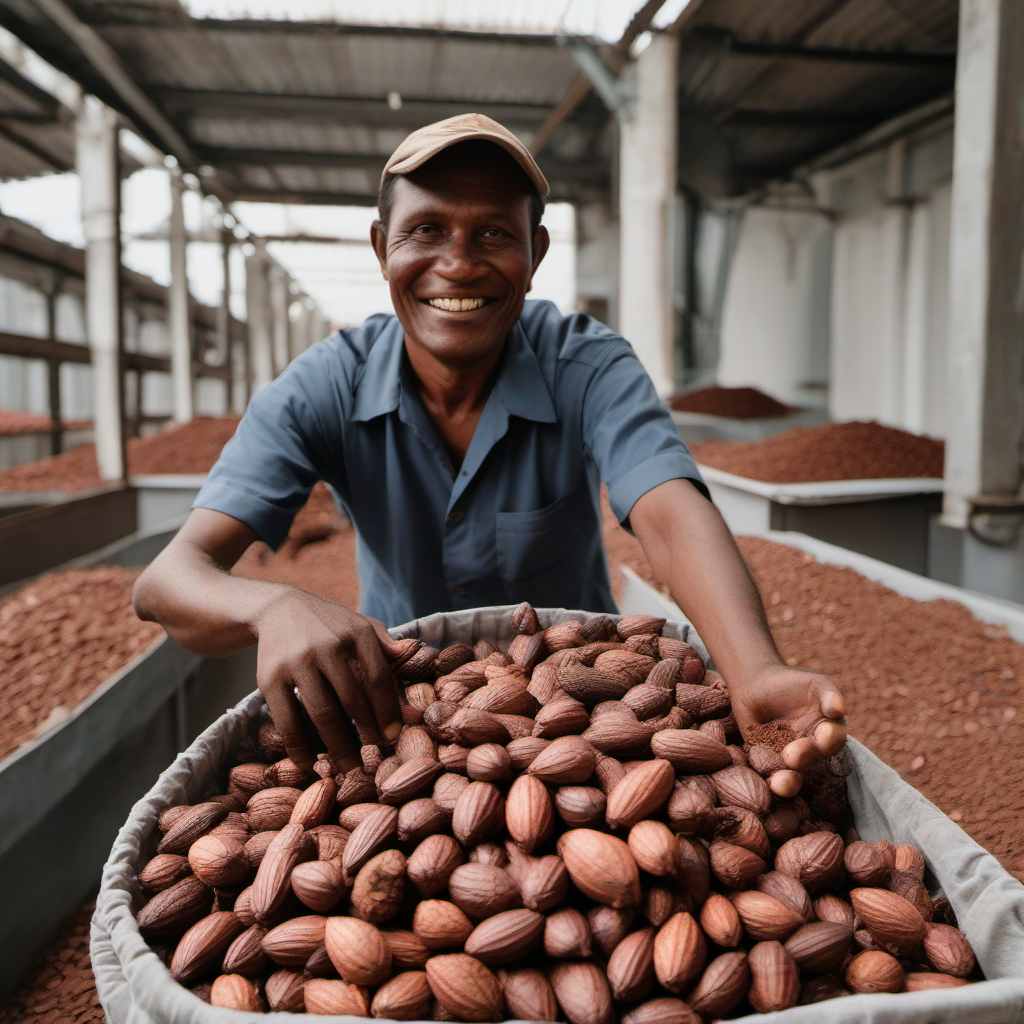
Manam Chocolate’s recent funding is not just a testament to investor confidence but also an acknowledgment of its innovative approach. Unlike traditional chocolate manufacturers who rely on imported dried cocoa beans, Manam has built a robust supply chain that begins at the farm level. The company sources fresh, wet cocoa beans directly from over 200 farmers across India, emphasizing quality control from the very start.
Manam’s commitment to quality is further exemplified by its investment in one of Asia’s largest cocoa fermentation facilities. Leveraging IoT-enabled technology for temperature monitoring, the company ensures that their fermentation processes meet global standards. This meticulous approach allows Manam to produce chocolates with a cacao content of 70-80%, substantially higher than the sugar-laden alternatives prevalent in the market.
### The Evolving Chocolate Market
India’s chocolate market, once dominated by legacy brands like Dairy Milk and KitKat, is witnessing a shift towards premium offerings. Valued at $2.9 billion in 2024, it is projected to grow to $5.5 billion by 2033. This growth is driven by an increasing consumer preference for high-quality, artisanal products.
Brands like Paul And Mike, Mason & Co., and Soklet have already established themselves as pioneers in this space, setting new standards for quality and sustainability. The trend towards backward integration, where companies manage the entire production process from farm to bar, is becoming more prevalent. This not only ensures better flavor profiles but also supports sustainable farming practices, enhancing the appeal of these brands to conscious consumers.
### Implications for India’s Startup Ecosystem
The rise of D2C chocolate brands like Manam reflects broader trends in India’s startup ecosystem, where niche markets are gaining attention. As consumers become more discerning, startups that focus on quality and sustainability are likely to attract both customer loyalty and investor interest. This trend is not limited to chocolates but extends to other consumer goods sectors, where D2C models are increasingly favored.
For investors, this represents a shift in focus towards startups that can offer unique value propositions and integrate sustainable practices into their operations. The success of Manam’s funding round could spur further investment in similar ventures, encouraging more entrepreneurs to explore opportunities in the premium segment.
As Manam Chocolate continues to expand its retail footprint with the new funding, the company is poised to become a significant player in the Indian chocolate market. For founders and investors, the next step will be to watch how Manam scales its operations and whether it can maintain its quality and sustainability standards as it grows. This will be crucial in determining the long-term viability of premium D2C models in India’s competitive consumer market.