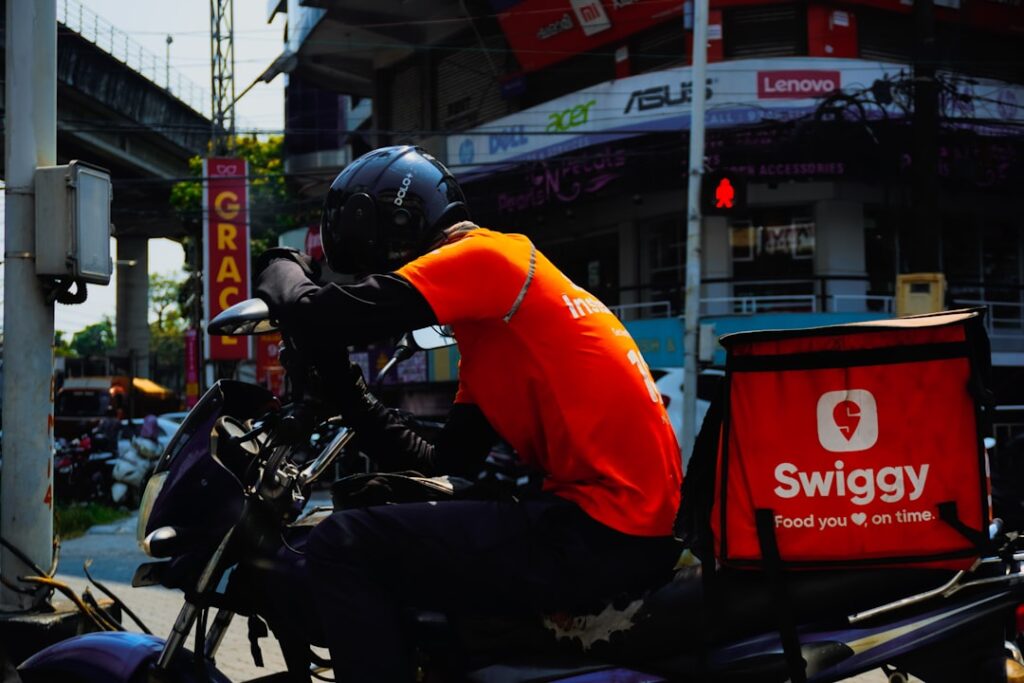
Swiggy’s transition to becoming an Indian-Owned-and-Controlled Company (IOCC) may face delays, according to a report by brokerage firm JM Financial. The firm has maintained its ‘Reduce’ rating on Swiggy, with an unchanged 12-month target price of Rs 250. This development is significant as it affects Swiggy’s strategic shift and financial performance, especially in light of the company’s foreign shareholding now being below the 50% mark.
### Swiggy’s IOCC Transition
Swiggy, a leading food and grocery delivery platform in India, is undergoing a transition to qualify as an IOCC under the Foreign Exchange Management Act (FEMA) regulations. Although the company’s foreign shareholding has dipped to 49.76%, this alone does not suffice for IOCC classification. Swiggy must also implement governance-related changes, ensuring ownership and control are with Indian citizens or entities. These modifications could involve restructuring the board, adjusting voting rights, and securing shareholder approvals, which may not be completed until March 2027. This delay affects Swiggy’s plans to shift its grocery service, Instamart, to an inventory-led model, potentially enhancing its operational efficiency and margins.
### Market Context and Competition
Swiggy’s strategic move comes amid a competitive landscape in India’s food and grocery delivery market. The sector is marked by the presence of key players like Zomato and BigBasket, each striving to capture a larger market share. Zomato, for instance, has recently expanded its service offerings and invested in technology to streamline operations. Swiggy’s ability to transition to an IOCC and adopt an inventory-led model could provide a competitive edge by allowing direct procurement from brands, expanding product ranges, and negotiating better commercial terms. However, the delay in achieving IOCC status could hinder Swiggy’s ability to fully leverage these advantages.
### Implications for India’s Startup Ecosystem
The delayed transition to IOCC status has broader implications for India’s startup ecosystem, particularly for companies with significant foreign investment. As startups like Swiggy navigate regulatory requirements, they must balance attracting foreign capital with maintaining compliance and control. JM Financial’s warning about the potential reduction in Swiggy’s global index weight due to foreign ownership caps underscores the challenges faced by Indian companies in managing international investor interests while pursuing growth strategies. The financial impact is also evident, with JM Financial assigning zero value to Swiggy’s Instamart and other ventures due to limited profitability visibility.
Looking ahead, Swiggy’s journey to becoming an IOCC will be closely watched by industry stakeholders, particularly regarding governance changes and their impact on the company’s valuation and strategic direction. For founders and investors in the Indian tech ecosystem, Swiggy’s experience serves as a case study in navigating regulatory landscapes while pursuing growth ambitions. The upcoming months will be crucial for Swiggy as it works towards meeting the necessary criteria for IOCC status, with potential implications for its operational strategy and market positioning.