SoftBank’s AI Surge and Transforming Waste into Livelihoods
The world of technology and social innovation is witnessing a significant shift as SoftBank rides the AI wave and social enterprises turn waste into sustainable livelihoods. These developments underscore the transformative power of technology and entrepreneurship in addressing global challenges.
SoftBank’s AI Investment Strategy
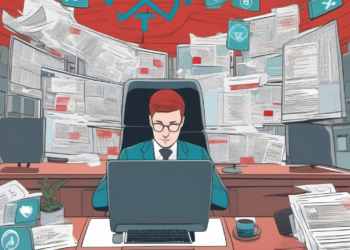
SoftBank has strategically aligned itself with the AI revolution, significantly boosting its portfolio’s value. The company’s investment in OpenAI, the creator of ChatGPT, has been pivotal. With a $34.6 billion investment for an 11% stake, SoftBank plans to deepen its commitment by adding another $30 billion. This move reflects the growing importance of AI in the tech landscape.
Related Posts




- AI Portfolio Growth: AI-related holdings now represent over 60% of SoftBank’s net asset value, a steep rise from 18% three years ago.
- Diverse Investments: Beyond OpenAI, SoftBank is investing across the AI stack, including chips (Ampere), robotics (ABB), and digital infrastructure (DigitalBridge, Stargate data centres).
- Market Dynamics: While some critics warn of potential bubbles, SoftBank executives argue that the demand for computing power exceeds supply, indicating sustained growth potential.
These strategic investments position SoftBank as a key player in the AI industry, leveraging its assets to drive innovation and profitability.
Transforming Waste into Livelihoods
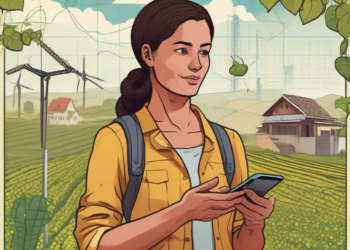
In India, the waste management sector is undergoing a transformation, driven by social enterprises and climate-focused startups. These initiatives not only address environmental concerns but also create economic opportunities.
- Phool: Founded by Ankit Agarwal, Phool collects temple flowers and repurposes them into incense, wellness products, and plant-based leather called “Fleather.” This model provides employment to women and low-income workers, diverting organic waste from landfills.
- Code Effort: Brothers Naman and Vipul Gupta’s startup recycles millions of cigarette butts daily. By converting tobacco into compost, paper into stationery, and filters into textile fibers, they employ waste pickers and women artisans.
- Saahas Zero Waste: Founded by Wilma Rodrigues, this enterprise processes over 100 tonnes of waste daily, turning food into compost or biogas and recycling dry waste into new products.
These ventures demonstrate how innovative solutions can turn environmental challenges into economic opportunities, fostering sustainable development.
Global AI Developments
The global AI landscape is rapidly evolving, with significant contributions from both Western and Chinese tech giants. Companies like Alibaba, ByteDance, and Kuaishou are closing the gap with Western counterparts, particularly in robotics and video generation. This competition drives innovation, pushing the boundaries of what AI can achieve.
Implications for Businesses and Society
The integration of AI into various sectors presents both opportunities and challenges. For businesses, AI offers tools to enhance efficiency, customer experience, and decision-making. However, it also raises questions about data privacy, ethical use, and potential job displacement.
For society, the rise of AI and sustainable practices like waste management highlight the need for responsible innovation. How can we ensure that technological advancements benefit everyone? How do we balance growth with ethical considerations?
Conclusion
As SoftBank capitalizes on AI’s potential and social enterprises redefine waste management, these developments illustrate the power of innovation to drive change. By investing in technology and sustainable practices, businesses can create value while addressing pressing global issues. The future of technology and entrepreneurship lies in harnessing this potential to build a more sustainable and equitable world.
For more insights, visit SoftBank’s website and Phool’s initiative.