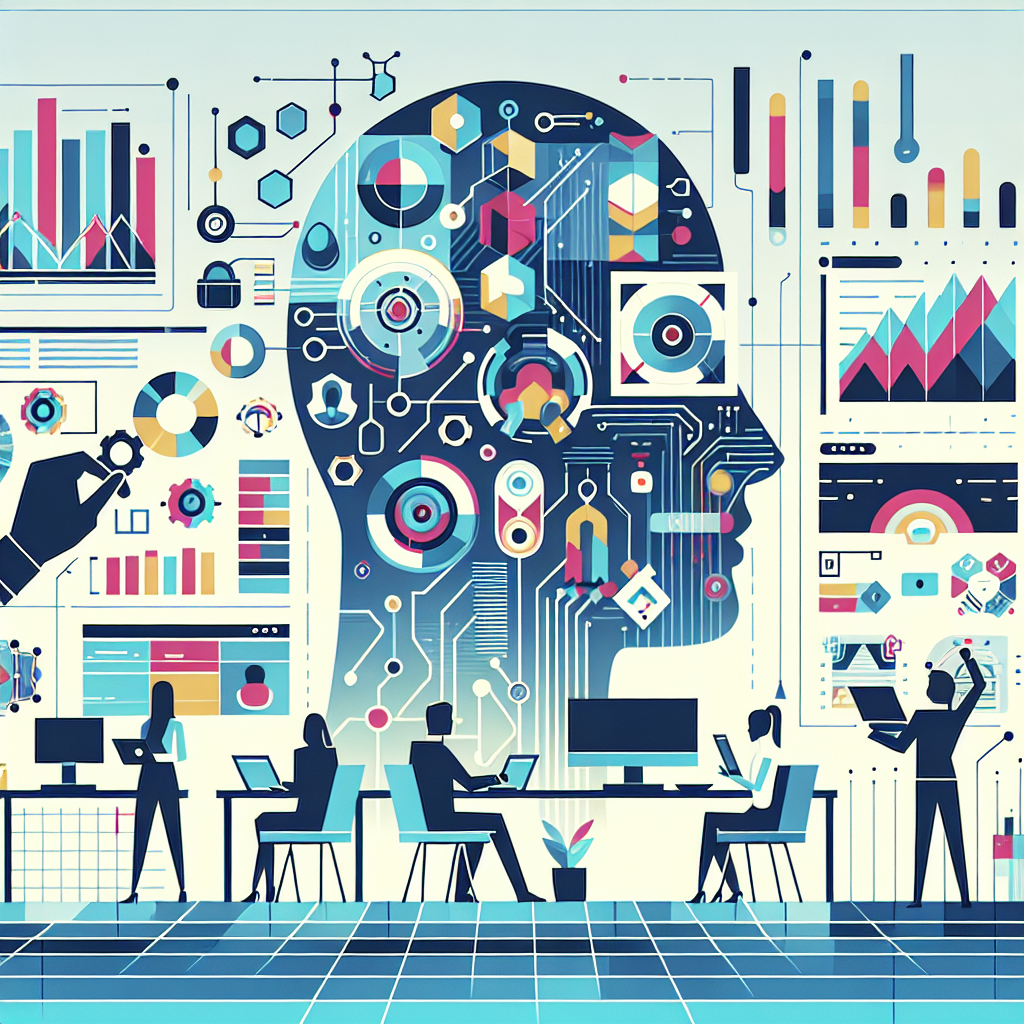
AI: A Human-Centric and Inclusive Approach
Artificial Intelligence (AI) is rapidly transforming industries, economies, and societies. As we stand on the brink of an AI-driven future, the call for a human-centric and inclusive approach becomes crucial. This perspective was recently emphasized by IT Secretary S Krishnan ahead of the India AI Impact Summit 2026. But what does it mean for AI to be truly human-centric and inclusive?
The Importance of Human-Centric AI
AI technologies hold the potential to drive global economic growth. However, as Krishnan highlighted, AI must center around human needs and ensure democratic access to its resources. This means prioritizing accessibility and inclusivity, ensuring that the benefits of AI reach all corners of the globe, including underrepresented regions like the Global South.
Related Posts




-
Democratic Access: Ensuring everyone has access to AI technologies is vital. This can be achieved through open-source AI platforms and collaborations between governments and tech companies. OpenAI is one such organization working towards democratizing AI.
- Inclusive Growth: AI should empower diverse communities, creating opportunities for economic advancement across different sectors. This approach can help bridge the digital divide and promote equitable growth.
AI’s Role in Economic Growth
AI is not just a technological advancement; it’s a catalyst for economic transformation. Krishnan pointed out that AI could serve as a "positive impetus" for the global economy, setting it on a higher growth trajectory.
-
Global Impact: AI can enhance productivity, streamline operations, and foster innovation. For instance, AI-driven automation in manufacturing can lead to significant cost savings and efficiency improvements.
- Local Benefits: In India, AI is being leveraged in sectors like agriculture and healthcare to improve outcomes and efficiency. Companies like Niramai are using AI to innovate in healthcare, providing affordable solutions for early cancer detection.
The India AI Impact Summit 2026
India is set to host the AI Impact Summit 2026, a platform for global dialogue on AI governance, safety, and growth. This summit aims to bring together policymakers, industry leaders, and innovators to shape the future of AI.
-
Global Conversations: The summit will address critical issues like ethical AI use, data privacy, and regulatory frameworks. Such discussions are essential for building trust and ensuring responsible AI deployment.
- Investment and Partnerships: The gathering could lead to new investments and collaborations, fostering innovation and growth in the AI sector.
Challenges and Considerations
While the potential of AI is immense, it comes with challenges that need addressing:
-
Ethical Concerns: AI systems must be designed to avoid biases and ensure fairness. This requires ongoing monitoring and evaluation.
- Regulatory Frameworks: Developing comprehensive regulations that balance innovation with safety is crucial. Countries need to collaborate to establish global standards.
How Can You Contribute?
As AI continues to evolve, individuals and organizations can play a role in shaping its future:
-
Education and Awareness: Stay informed about AI developments and advocate for inclusive policies.
-
Collaboration: Engage with initiatives and organizations working towards equitable AI solutions.
- Innovation: Encourage innovation that aligns with ethical guidelines and promotes social good.
Conclusion
AI’s potential to transform the world is undeniable, but it must be harnessed responsibly. By focusing on human-centric and inclusive principles, we can ensure that AI serves as a force for good, driving growth and prosperity for all. As we move forward, the question remains: How can we collectively shape an AI future that benefits everyone?
For further insights into AI’s impact on global economies, you can explore resources from McKinsey & Company.
This article aims to provide a balanced view of AI’s potential and challenges, emphasizing the importance of inclusivity and human-centric development. By integrating insights from industry leaders and showcasing real-world examples, it offers a comprehensive look at the future of AI.