The Future of IT Services: Vinod Khosla’s Bold Prediction
Traditional IT Services: A Vanishing Act by 2030?
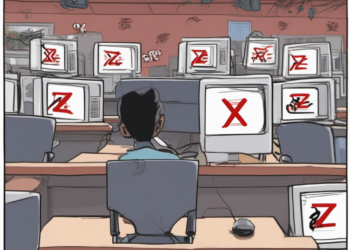
By 2030, traditional IT services may become a relic of the past. This prediction comes from Vinod Khosla, a veteran investor and founder of Khosla Ventures. He suggests that artificial intelligence (AI) will disrupt India’s $250 billion outsourcing industry, replacing much of the software and back-office work currently done by human workers.
Khosla’s insights, shared at the India AI Impact Summit 2026, highlight a future where AI-native services dominate. With India’s rich talent pool, new AI-based services could emerge, but the transition will significantly impact the economy.
The Impact on India’s Economy
The outsourcing sector, led by giants like Infosys and Tata Consultancy Services, faces a critical juncture. Khosla’s remarks have stirred discussions within the industry, as he notes resistance to change. Yet, history shows that incumbents can adapt, and this transition may not be different.
Related Posts




Khosla’s vision extends beyond outsourcing. By 2050, he predicts a world where "nobody needs jobs" because AI will drive the cost of essential services like healthcare and education toward near-zero. This reshaping of economic foundations prompts a vital question: Will AI make traditional employment obsolete?
AI’s Role in Transforming Services
Khosla defines AI’s potential as the ability to perform 80% of economically valuable tasks across various professions. From engineering to medicine, AI systems are poised to handle tasks traditionally performed by humans. This shift could compress prices for essential services, making them more accessible.
Advances in personalized medicine and education illustrate this change. Imagine every child having an AI tutor or access to a near-free AI doctor. Such innovations challenge traditional institutions like universities, which may lose relevance as AI-driven learning takes precedence.
Navigating the Transition
The road ahead is fraught with challenges. Policymakers must manage social and political adjustments as AI systems take over economically valuable work. The transformation will be politically contingent, varying across countries due to differing political landscapes.
Khosla argues for a future where people pursue passions rather than jobs. This post-work economy could unlock new forms of human activity, shifting advice to children from securing employment to exploring interests.
A Call to Action for Policymakers
For India, the immediate challenge lies in navigating the rapid erosion of its traditional export engine. Policymakers must address the social and economic implications of this shift to ensure a smooth transition.
As you consider these changes, think about the broader implications for your industry. How will AI reshape your field? What steps can you take to adapt and thrive in this new landscape?
The Path Forward
Khosla’s predictions may seem radical, but they underscore the need for proactive adaptation. Embracing AI and preparing for its impact could position businesses and individuals to succeed in a rapidly changing world.
For more insights on AI’s impact, explore Khosla Ventures and other thought leaders in the field.
Conclusion
As we approach 2030, the landscape of IT services and employment is poised for dramatic change. By embracing AI and preparing for its transformative effects, you can navigate this new era with confidence and creativity. The future is uncertain, but with the right strategies, it holds immense potential for growth and innovation.