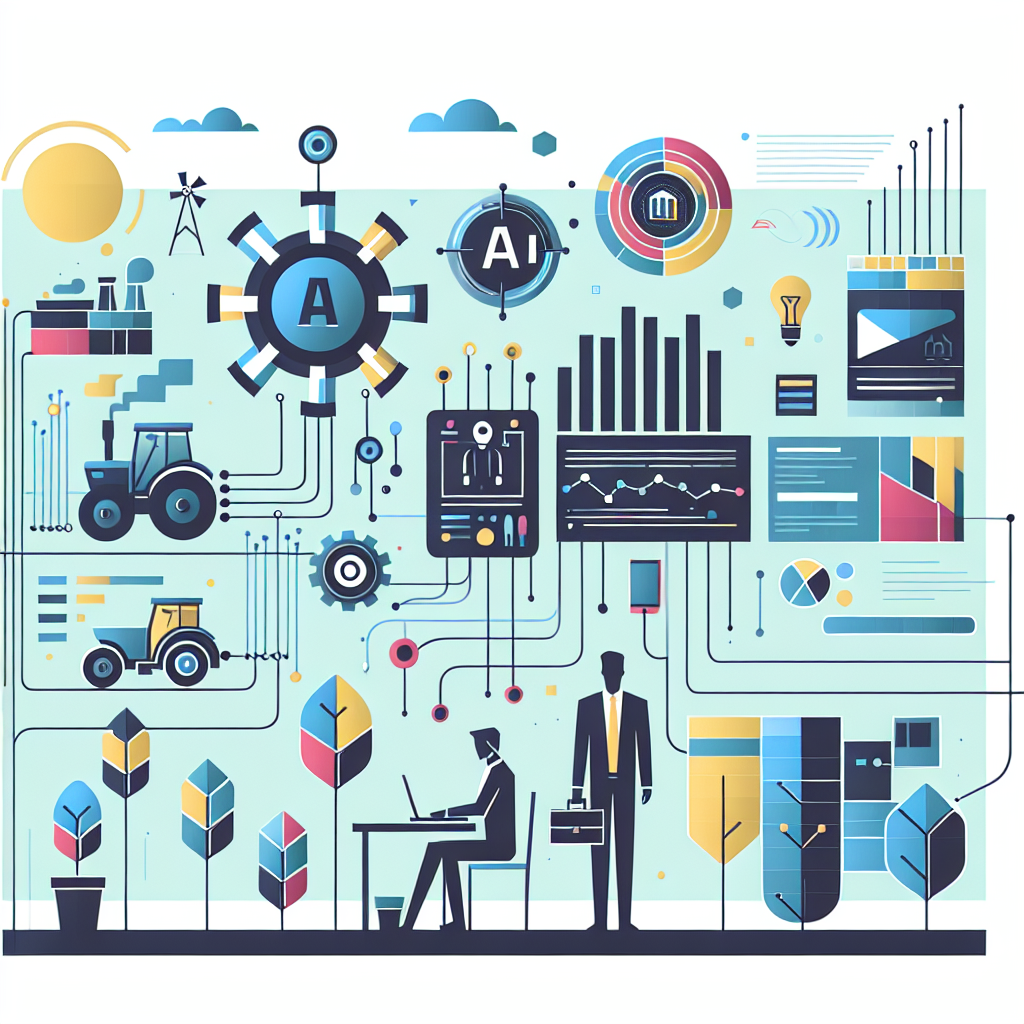
Transforming Indian Agriculture: The Role of Digital Public Infrastructure, Open Network for Agriculture, and AI
In recent years, India’s agritech landscape has been evolving rapidly. The convergence of Digital Public Infrastructure (DPI), Open Network for Agriculture (ONA), and Artificial Intelligence (AI) is poised to redefine agriculture, offering new opportunities for farmers and startups alike.
Understanding the Trinity: DPI, ONA, and AI
DPI: The Backbone of Modern Agriculture
Digital Public Infrastructure acts as the foundational layer, providing secure identity frameworks and standardised APIs. This infrastructure ensures authenticated data access, enabling service providers to innovate without reinventing the wheel. State governments play a crucial role in making DPI open-source and accessible, with Agristack being a prime example, registering over 70 million farmers.
ONA: Bridging the Gap
The Open Network for Agriculture creates a seamless interface for farmers, often replacing traditional apps with chatbots or voicebots. This frictionless approach allows farmers to access services without the need for multiple applications. By contextualising farmer data with Agristack, ONA simplifies the user experience, making it a trusted digital companion.
AI: Driving Precision and Personalisation
AI enhances the speed, accuracy, and personalisation of agricultural solutions. Farmers seek quick, precise responses tailored to their needs. AI delivers this through advanced analytics and models, transforming raw data into actionable insights. AI-driven initiatives like Bharat-VISTAAR aim to provide multilingual advisories, expanding the reach of digital solutions.
The Evolution of Agritech in India
The Indian agritech ecosystem has seen significant growth over the past two decades, marked by three distinct phases:
- Scepticism and Experimentation (Until 2017): Early days of exploring tech-enabled business models.
- Scale and Optimism (2018–2022): Growth driven by Gross Merchandise Value (GMV) and investor interest.
- Path to Profitability (2022–2026): Focus on capital efficiency and IPO readiness, with several agritech IPOs anticipated by 2030.
Despite these advancements, only 10–15% of Indian farmers have adopted agritech solutions, indicating vast potential for deeper technology penetration.
How Startups and Investors Benefit
Agritech startups initiated the digitisation wave, with pioneers like CropIn and DeHaat leading the charge. The introduction of DPI and ONA reduces the need for proprietary databases and apps, allowing startups to focus on differentiated APIs and solutions. This shift promises capital efficiency and a level playing field for new entrants.
Use Cases Unlocked by the Trinity
The integration of DPI, ONA, and AI unlocks numerous farmer-centric use cases:
- Credit and Insurance: DPI-based KYC and AI-led underwriting improve credit access and insurance payouts.
- Precision Advisory: AI models provide field-level insights, enhancing decision-making.
- Supply Chain Transparency: DPI-enabled traceability increases buyer trust and optimises input costs.
- Market Connectivity: AI-powered demand forecasting improves price realisation and reduces losses.
- Government Scheme Delivery: DPI enhances subsidy administration and programme effectiveness.
Key Success Factors
To realise the full potential of this trinity, several principles must be adhered to:
- Farmer Privacy: Embed consent and disclosure into DPI architecture.
- Democratised Data Access: Ensure data is accessible to all stakeholders.
- Model Fairness: Train AI on diverse datasets to prevent exclusion.
- Human Integration: Digital services should augment, not replace, human workers.
- Support Infrastructure: High-speed connectivity and digital literacy are essential.
- Dispute Resolution: Establish mechanisms to address service disputes.
A Civilisational Bet on Farmers
The convergence of DPI, ONA, and AI is a transformative opportunity for India’s 150 million farmers. By leveraging these technologies, Indian agriculture can set a global benchmark for inclusive, AI-powered rural transformation. The commitment of policymakers, entrepreneurs, and investors is crucial to realising this vision.
For more insights into the evolving agritech landscape, explore resources from CropIn and DeHaat.
Thought-Provoking Questions
- How can startups leverage DPI and ONA to create more scalable business models?
- What role can AI play in addressing the unique challenges faced by smallholder farmers?
The journey towards transforming Indian agriculture is just beginning. As technology continues to evolve, the possibilities are endless. Are you ready to be part of this revolution?