Lead paragraph
India’s gig economy is facing significant disruption due to an LPG crisis exacerbated by geopolitical tensions in West Asia. The blockade of the Strait of Hormuz has led to a steep rise in LPG prices, impacting low-wage earners and triggering a potential exodus of migrant workers back to their villages. This development could have far-reaching implications for various sectors reliant on gig workers.
LPG Crisis and Its Impact
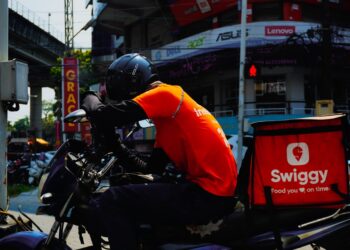
The LPG shortage has caused prices to quadruple in the grey market, making it increasingly difficult for low-income families to sustain urban living. This has prompted many migrant families to consider returning to rural areas. The crisis is also affecting app-based auto drivers, who are grappling with higher fuel costs and fewer trips. The viability of gig work is now under scrutiny as these workers face diminishing returns.
The ripple effect is being felt across the app economy and manufacturing sectors. Small eateries, unable to cope with rising costs and reduced orders, are shutting down, affecting delivery executives’ earnings. Direct-to-consumer brands in textile and chemical hubs are experiencing a 30% to 35% drop in workforce capacity as migrant workers leave.
Related Posts




Startup Strategies and Economic Implications
Startups are exploring innovative solutions to mitigate the crisis. Companies like Libas are considering providing electric induction cooktops to their workers or subsidizing LPG costs. Gig platforms are also attempting to cross-utilize workers by shifting delivery personnel to less affected e-commerce logistics roles, aiming to provide some income stability.
The ongoing conflict poses a significant threat to India’s economic momentum. The question remains whether government interventions or startup subsidies can stabilize living costs and prevent another wave of urban migration akin to the COVID-19 pandemic’s aftermath.
NeuroPixel.AI Closure
In a separate development, NeuroPixel.AI, an e-commerce-focused generative AI startup, has ceased operations due to stiff competition from tech giants. The startup, which had raised $1.2 million and served clients like Myntra and Fabindia, plans to monetize its technology stack despite shutting down its B2C operations. This closure is part of a larger trend of generative AI startups in India winding up, highlighting the challenges faced by smaller players in a competitive landscape.
Future Prospects
As the LPG crisis continues, the Indian startup ecosystem must navigate these challenges with resilience and innovation. The potential exodus of gig workers could reshape urban labor markets, while the closure of startups like NeuroPixel.AI underscores the need for adaptability in a rapidly evolving tech landscape. The coming months will reveal how startups and policymakers respond to these multifaceted challenges.