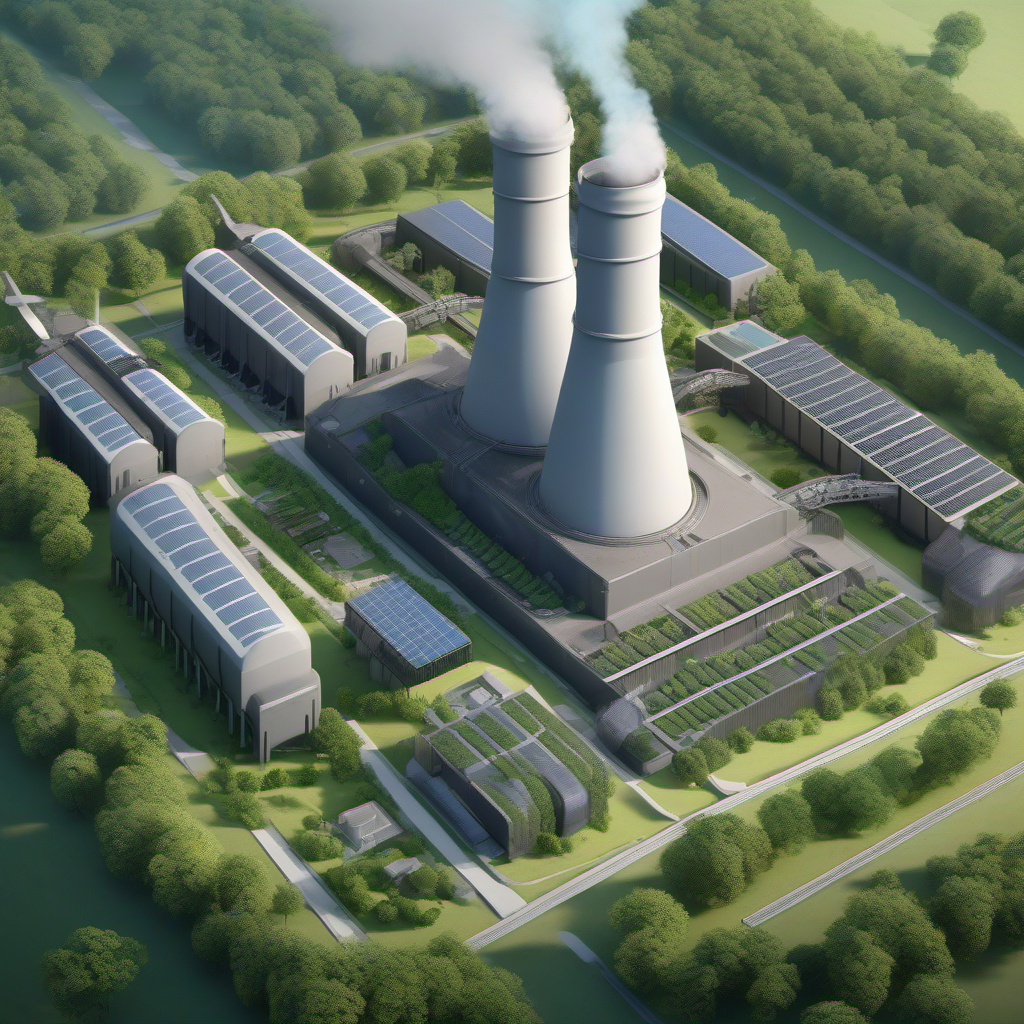
AI is increasingly reshaping the landscape of digital infrastructure, moving beyond traditional data centers to encompass more complex, high-performance computing facilities. This transformation is exemplified by TeraWulf’s development at the Lake Mariner campus in New York, which is revamping a former coal-fired power station into a cutting-edge AI and computing hub. This shift not only marks a significant evolution in infrastructure but also reflects broader trends in the global tech ecosystem, with potential implications for India’s burgeoning technology sector.
### TeraWulf’s Ambitious Project
At the heart of this transition is TeraWulf, a company known for its innovative approach to energy-efficient computing solutions. The Lake Mariner project involves the construction of CB-4, a massive 330,000 square-foot facility dedicated to AI and high-performance computing. This facility is part of a broader initiative to repurpose industrial sites for modern technological needs, leveraging existing land, grid connections, and transmission infrastructure. By drawing on zero-carbon electricity sources like hydroelectric and nuclear power, TeraWulf aims to create a sustainable model for future digital infrastructure.
### India’s Infrastructure Landscape and Competitive Environment
India’s digital infrastructure landscape is rapidly evolving, driven by increasing demand for data processing and storage, fueled by the rise of AI and cloud computing. Indian startups in the digital infrastructure space are navigating a competitive environment, where securing reliable power sources and state-of-the-art technology is crucial. Companies such as Netmagic and CtrlS are expanding their data center capacities, while Reliance Jio and Bharti Airtel are investing heavily in 5G to support AI-driven applications. The competitive push is supported by a robust funding environment, with venture capitalists keen on backing infrastructure projects that promise scalability and sustainability.
### Implications for India’s Startup Ecosystem
The developments at Lake Mariner have significant implications for India’s startup ecosystem. As AI demands more sophisticated and sustainable infrastructure, Indian startups must innovate not only in software but also in the underlying hardware and facilities. The shift towards eco-friendly and efficient digital infrastructure could inspire Indian companies to explore similar transformations of industrial spaces, potentially revitalizing underutilized areas with high-tech facilities. Such initiatives could also attract international partnerships and investments, positioning India as a key player in the global digital infrastructure domain.
The move towards sustainable and rapid development of digital infrastructure, as demonstrated by TeraWulf, sets a precedent for Indian startups. Founders and engineers should watch for emerging trends in power management and cooling technologies, as these will play a critical role in the next wave of infrastructure development. Investors should keep an eye on companies that are not only expanding capacity but also prioritizing sustainability, as these are likely to lead the market in the years to come.