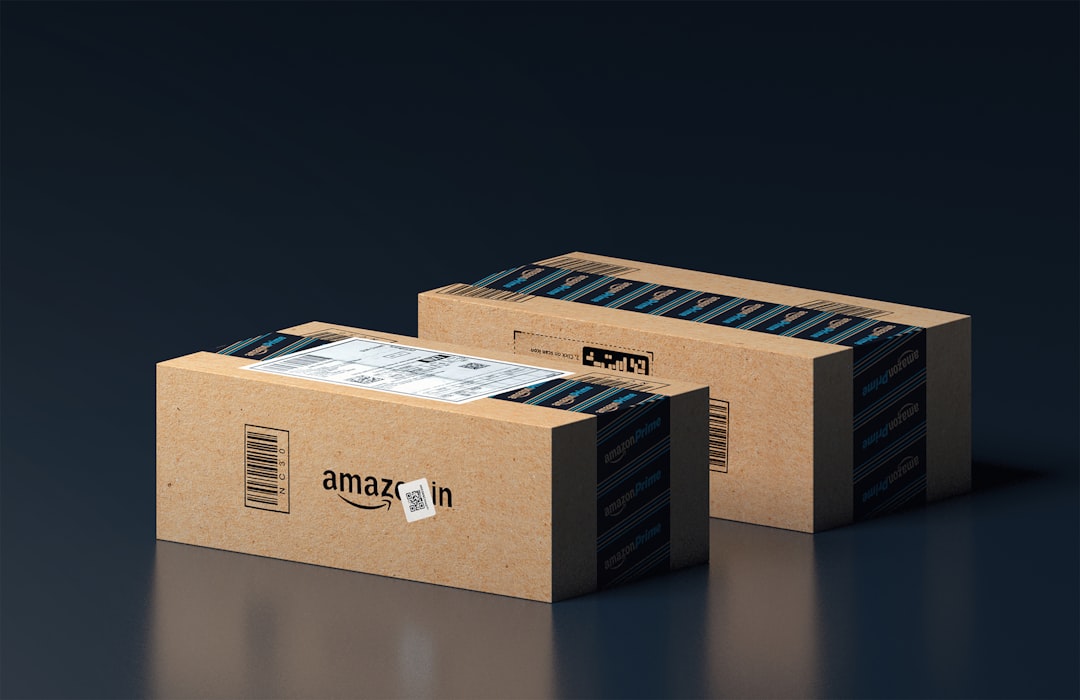
Amazon is set to significantly expand its quick commerce service, Amazon Now, by establishing over 100 large urban fulfilment centres across major Indian cities. This expansion aims to enhance the speed and range of products available for rapid delivery, thereby strengthening Amazon’s position in the burgeoning quick commerce sector. The initiative is part of a broader investment strategy announced by Amazon, which underscores the company’s commitment to capturing a larger share of India’s e-commerce market.
### Expanding Amazon’s Urban Footprint
The new urban fulfilment centres will be rolled out initially in key cities such as Bengaluru, Chennai, Delhi NCR, Hyderabad, and Mumbai. These centres, each spanning approximately 20,000 square feet, are designed to store a significantly larger inventory than existing facilities. Amazon intends to offer up to four times more product selections, with categories ranging from electronics and apparel to groceries and healthcare supplements. The enhancement in inventory capacity is expected to facilitate deliveries within a window as short as 10 minutes, depending on proximity to the customer.




### Navigating a Competitive Landscape
Amazon’s expansion comes at a time when the quick commerce market in India is witnessing intense competition. Players like Swiggy’s Instamart, Reliance-backed Dunzo, and Tata’s BigBasket are all vying for dominance in this fast-paced segment. The demand for hyperlocal delivery services has surged, driven by urban consumers’ preference for convenience and speed. Amazon’s strategic move to bolster its infrastructure is aimed at differentiating its service through a broader product range and faster delivery times. This development is part of Amazon’s larger plan to invest over Rs 2,800 crore ($300 million) into its operations infrastructure in India, with a commitment to invest over $35 billion by 2030.
### Implications for India’s Startup Ecosystem
The rapid expansion of Amazon’s fulfilment centres is likely to have significant implications for India’s startup ecosystem, particularly in the logistics and supply chain sectors. The increased demand for local delivery services could spur innovation and investment in last-mile delivery solutions. Additionally, Amazon’s focus on leveraging technology to predict demand patterns and enhance supply chain efficiency may set new benchmarks for operational excellence in the industry. As Amazon scales its quick commerce capabilities, smaller startups may face challenges in competing on speed and selection, potentially driving consolidation or partnerships within the sector.
Amazon’s ambitious expansion of its quick commerce service in India is poised to reshape the competitive dynamics of the market. For founders and investors, the key area to watch will be how Amazon’s investment in infrastructure and technology influences consumer expectations and competitive strategies. As the company implements its plans, the ripple effects are likely to be felt across the logistics and e-commerce landscape, prompting both challenges and opportunities for innovation.