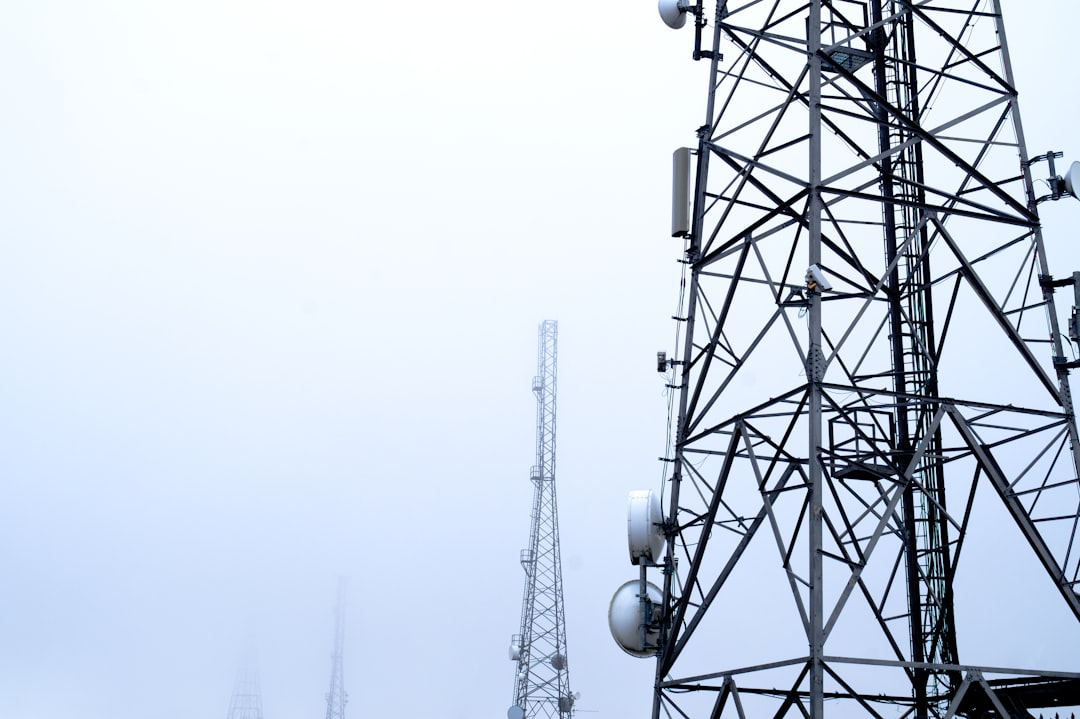
India’s digital landscape is undergoing a transformation as businesses increasingly adopt voice interfaces, moving away from traditional text-heavy applications. With the Indian voice AI market projected to reach $1.8 billion by 2030, the potential for growth and innovation is immense. However, the outdated telecommunications infrastructure poses a significant challenge to the scalability and effectiveness of voice AI technologies.
### Rebuilding The Outdated Telephony Pipeline
The current telecommunications systems, built over a decade ago, are not equipped to handle the demands of advanced AI-driven voice applications. Legacy telecom infrastructure is plagued by high latency, low 8 kHz sampling rates, and inadequate noise cancellation, which hinder the performance of automated voice intelligence. This issue was a focal point at the Inc42 AI Summit 2026, where industry leaders discussed the need for a modernized telephony system to support the next generation of voice AI.
Related Posts




Suman Gandham, cofounder and CEO of Vobiz.ai, emphasized the necessity of an AI-first telecom infrastructure. Current systems, designed for human-to-human interactions, fall short when it comes to supporting autonomous voice agents. Gandham highlighted the importance of developing a telecom layer that can handle low latency and structural noise suppression, which are critical for the scalability of voice AI applications, particularly in regulated sectors such as fintech.
### The Competitive Landscape and Funding Environment
The demand for voice AI solutions is growing, especially as companies aim to reach the next 500 million non-English-speaking internet users in India. Companies like Bolna and Vobiz.ai are at the forefront of this movement, leveraging multilingual AI models to create more human-like interactions. However, the success of these applications heavily depends on the telephony infrastructure’s ability to handle large volumes of data and calls.
The rapid growth in call volumes at Vobiz.ai, which increased from 1 lakh to 30 lakh concurrent daily calls within a month, underscores the urgent need for infrastructure improvements. As they aim for 3 crore daily calls by year-end, the pressure mounts to ensure that the telecom systems can keep pace with such expansion.
### Implications for India’s Startup Ecosystem
The push to modernize telecom infrastructure presents both challenges and opportunities for India’s tech ecosystem. Startups in the voice AI space stand to benefit significantly if they can overcome these infrastructure hurdles. For fintech companies like Cashfree Payments, deploying voice agents could streamline processes such as merchant onboarding and fraud verification, reducing reliance on manual paperwork.
However, the inability to scale due to infrastructure bottlenecks could stall innovation and growth. The conversation at the Inc42 AI Summit highlighted the critical need for collaborative efforts between telecom providers and AI companies to build a robust framework that can support the next wave of technological advancements.
As India continues to position itself as a leader in AI and digital innovation, the development of a more efficient and AI-compatible telecommunications infrastructure will be crucial. For founders and investors, keeping an eye on how telecom companies respond to these demands will be essential. The next steps in this journey could significantly impact the scalability and success of voice AI applications across various sectors.