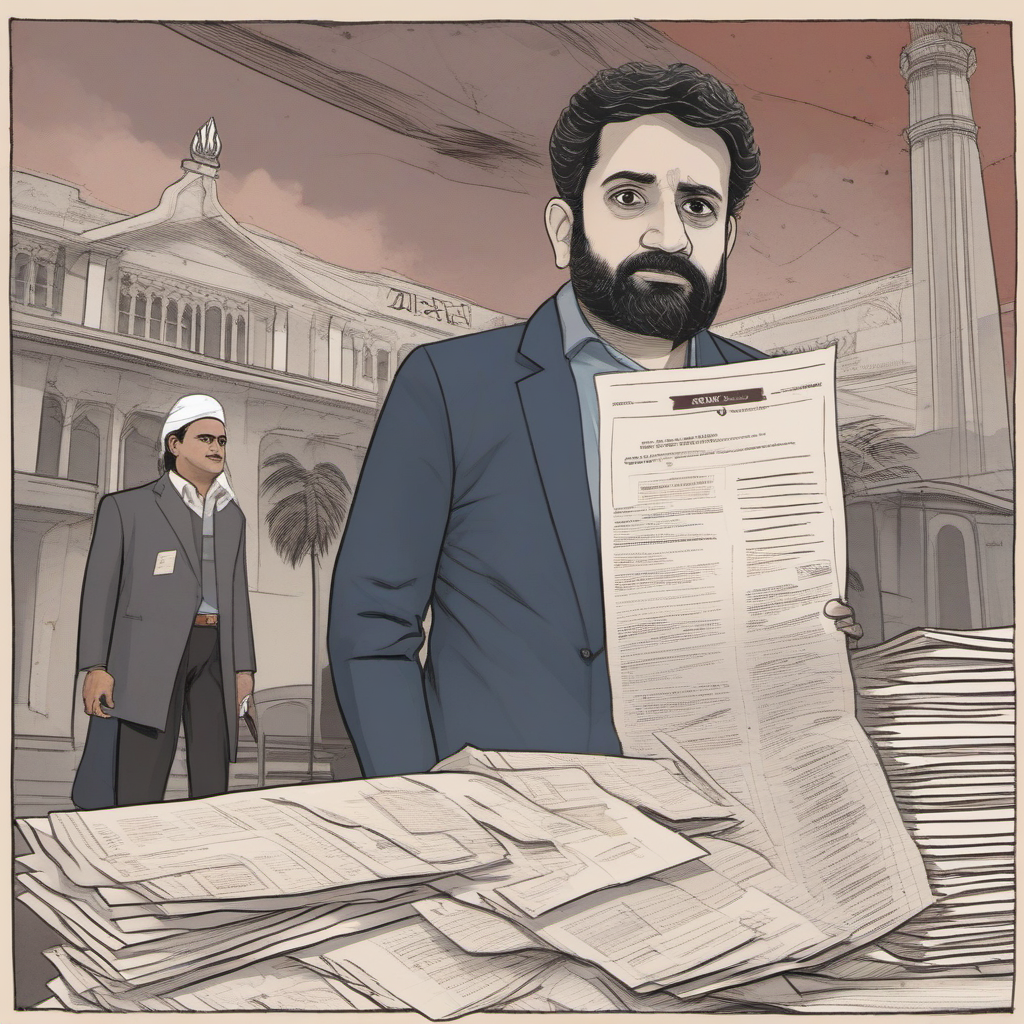
The Delhi High Court has disposed of a fresh application filed by Zostel Hospitality in its legal battle with Oravel Stays, the parent company of OYO, now rebranded as PRISM. The court’s decision not to press Zostel’s application follows a previous order from March 14, 2022. While this development does not resolve the primary dispute, it sets the stage for Zostel’s pending appeal, which is scheduled for a hearing on August 12, 2026. This ongoing legal tussle highlights significant issues concerning business agreements and rights in India’s burgeoning startup ecosystem.
### The Ongoing Zostel-OYO Dispute
The legal dispute between Zostel and OYO traces back to 2015, when OYO signed a non-binding term sheet to acquire Zostel’s business. This agreement later became the subject of contention, with Zostel claiming rights to a 7% equity in OYO. In May 2025, the Delhi High Court set aside an arbitral award in Zostel’s favor, stating that the term sheet did not establish enforceable rights. Despite this setback, Zostel continues to pursue its claim, seeking judicial affirmation of its rights through the pending appeal.
Related Posts




Zostel’s recent actions include approaching the Securities and Exchange Board of India (SEBI) to scrutinize OYO’s updated draft red herring prospectus (UDRHP) for its proposed IPO. Zostel argues that the document fails to adequately disclose their ongoing legal dispute, potentially misleading investors. This move underscores the complexities startups face when legal issues intersect with public market ambitions.
### Context and the Competitive Landscape
OYO, now operating under the brand PRISM, is among India’s most prominent startups, known for disrupting the hospitality sector with its technology-driven approach. As OYO prepares to raise Rs 6,650 crore through an IPO, the unresolved legal dispute with Zostel could pose risks to its valuation and investor confidence. The IPO plans reveal no offer-for-sale component, focusing entirely on fresh issue shares, which could be impacted by any adverse legal developments.
The competitive landscape in India’s hospitality and travel sector is intense, with players like MakeMyTrip and FabHotels also vying for market share. Legal entanglements like the one between Zostel and OYO can influence market dynamics, potentially affecting strategic partnerships and investor sentiments. The outcome of this legal battle may set precedents for how term sheet disputes are handled in the future, impacting mergers and acquisitions within the startup ecosystem.
### Implications for India’s Startup Ecosystem
The Zostel-OYO case highlights critical concerns over business agreements and the enforceability of non-binding term sheets in India’s startup ecosystem. As startups navigate fundraising and strategic partnerships, clarity in legal agreements is paramount to avoid protracted disputes. The case also underscores the importance of transparent regulatory disclosures, especially when a company is preparing for an IPO.
For founders and investors, this situation serves as a cautionary tale about the legal complexities that can arise from business negotiations. The resolution of Zostel’s appeal could establish legal benchmarks for similar disputes, influencing how startups draft and negotiate term sheets in the future.
With Zostel’s appeal set for hearing in August 2026, stakeholders in India’s technology sector will closely watch the legal proceedings. The outcome could have far-reaching implications for the enforceability of business agreements, potentially reshaping the landscape for mergers and acquisitions in the startup community. For investors, the case underscores the need for thorough due diligence when investing in companies with unresolved legal issues.