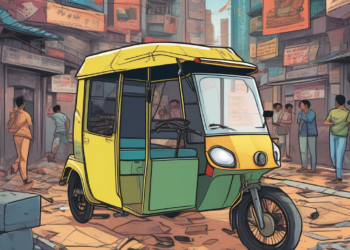
Indian D2C brands are grappling with significant challenges as manufacturers shift towards a ‘cash and carry’ model due to geopolitical tensions impacting production. This shift is straining the working capital of smaller startups, forcing them to reconsider their procurement strategies.
### D2C’s Manufacturing Dilemma
Manufacturers across India, from Morbi to Bahadurgarh, are facing disruptions due to worker protests, wage hikes, and migration. These factors have increased operating costs by approximately 15% in some cases. The conflict in West Asia has exacerbated these issues, affecting the supply of raw materials and increasing costs for packaging and freight. The weakening rupee and fluctuating power supply further complicate production, leading manufacturers to demand upfront payments instead of traditional credit lines.
Related Posts




This shift has put D2C brands in a difficult position. Startups are now scrambling to manage cash flow, with founders stepping in to negotiate directly with vendors. The move away from credit lines is drying up working capital, pushing brands to trim discounts, manage inventory tightly, and cut marketing expenditures.
### Kissht IPO and Market Implications
In the midst of these challenges, fintech startup Kissht’s IPO has garnered attention. The company’s public issue was subscribed 60% on its second day, with strong interest from Qualified Institutional Buyers. Kissht, which offers digital loans and insurance products, is valued at around ₹2,881 Cr. This IPO reflects investor confidence in fintech solutions, even as the broader market faces volatility.
Kissht’s successful subscription highlights the potential for fintech startups to attract investment, despite market uncertainties. It underscores the importance of innovative financial solutions in a landscape where traditional credit models are under strain.
### Ather Energy’s Financial Performance
Ather Energy, an electric vehicle manufacturer, reported a 57.2% reduction in net loss year-on-year, despite a sequential rise in losses. The company achieved a 73.7% increase in operating revenue, attributed to its expanding retail network and the success of its scooter model, Rizta. However, rising expenses remain a concern.
Ather’s performance indicates the growing demand for electric vehicles in India, driven by a push for sustainable mobility solutions. The company’s ability to reduce losses while expanding its market presence is a positive sign for the EV sector, which is poised for significant growth.
As the Indian startup ecosystem navigates these complex challenges, founders and investors should closely monitor shifts in manufacturing practices and their impact on cash flow and supply chains. The success of Kissht’s IPO and Ather’s revenue growth offer insights into sectors that may continue to attract investment, despite broader market pressures.