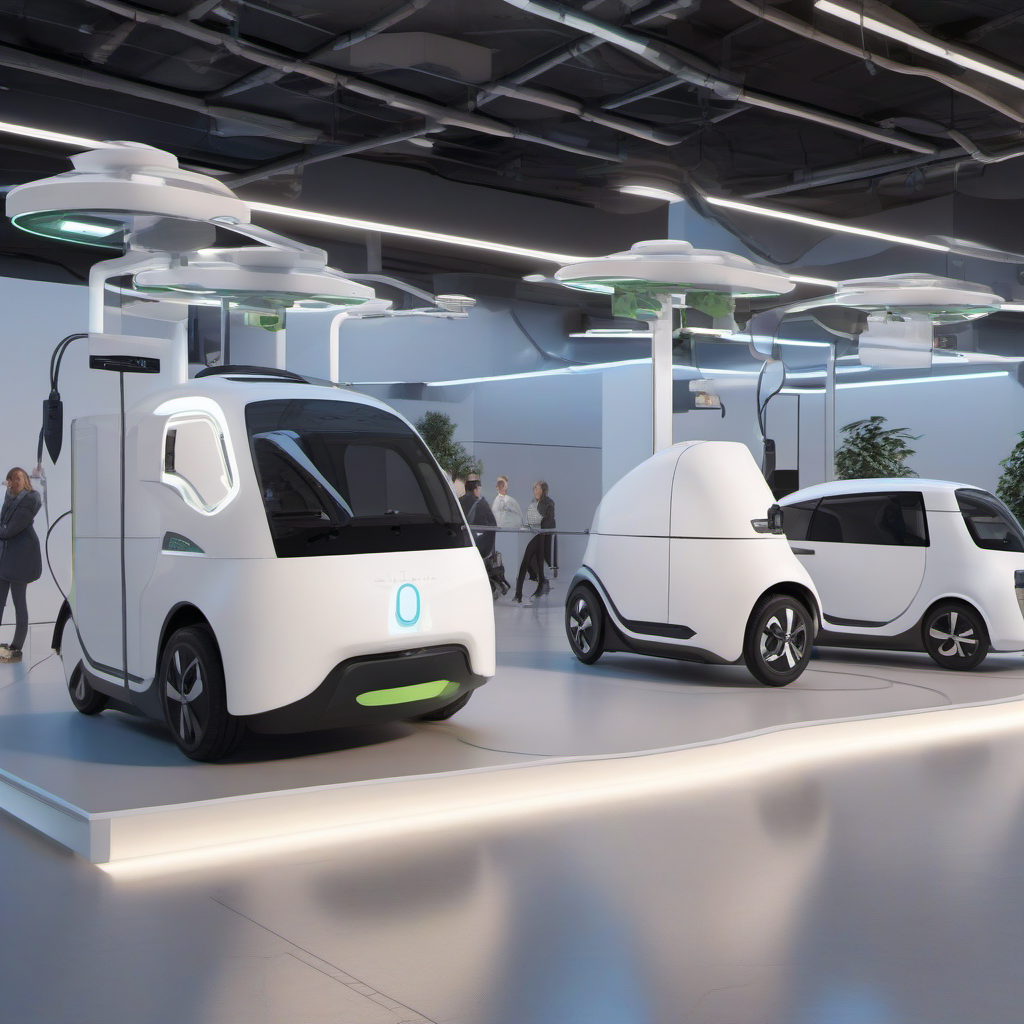
span style=”font-weight: 400;”>This groundwork proved pivotal in shaping Euler’s product roadmap. By 2020, the company had launched its first indigenous three-wheeler electric cargo vehicle, HiLoad. The vehicle quickly gained traction among e-commerce and logistics firms, leading to increased demand and subsequent production scale-up. Euler’s commitment to understanding market needs before scaling operations has enabled it to maintain a competitive edge in a rapidly evolving sector.
Competitive Landscape and Funding
The electric vehicle (EV) ecosystem in India is becoming increasingly competitive, with startups like Ola Electric, Ather Energy, and Ampere Vehicles vying for market share across various segments. Despite the crowded space, Euler Motors has managed to carve out a niche by focusing specifically on the commercial cargo segment.
The company’s ability to secure substantial funding—over $229 million to date—has played a crucial role in its growth. Investors are particularly drawn to Euler’s strategic approach, which combines robust R&D with market-driven innovation. This has enabled the startup to not only capture a significant market share but also build a resilient supply chain. In a funding environment where investors are increasingly cautious, Euler’s success in raising capital underscores the market’s confidence in its business model and growth trajectory.
Related Posts




Implications for India’s Startup Ecosystem
Euler Motors’ journey offers several lessons for startups in India’s burgeoning tech ecosystem. Firstly, its focus on solving a pressing environmental issue aligns with the broader global push towards sustainability, highlighting the potential for impact-driven business models. Secondly, Euler’s iterative approach—prioritizing learning and adaptation over rapid scale—demonstrates the importance of agility in a startup’s growth strategy.
The success of Euler Motors also illustrates the growing viability of electric vehicles in India’s commercial space. With government policies such as the Faster Adoption and Manufacturing of Hybrid and Electric Vehicles (FAME) scheme supporting EV adoption, startups in this sector are well-positioned to benefit from a supportive regulatory environment.
As Euler Motors continues to expand its product portfolio and market presence, it sets a precedent for other startups aiming to tackle environmental challenges through technology. For founders, engineers, and investors, Euler’s journey underscores the importance of aligning technological innovation with market needs and regulatory frameworks. The next phase for Euler will likely involve exploring partnerships and collaborations to enhance its supply chain capabilities and further penetrate the market. Stakeholders should closely watch how Euler navigates these expansions and its potential impact on urban mobility in India.