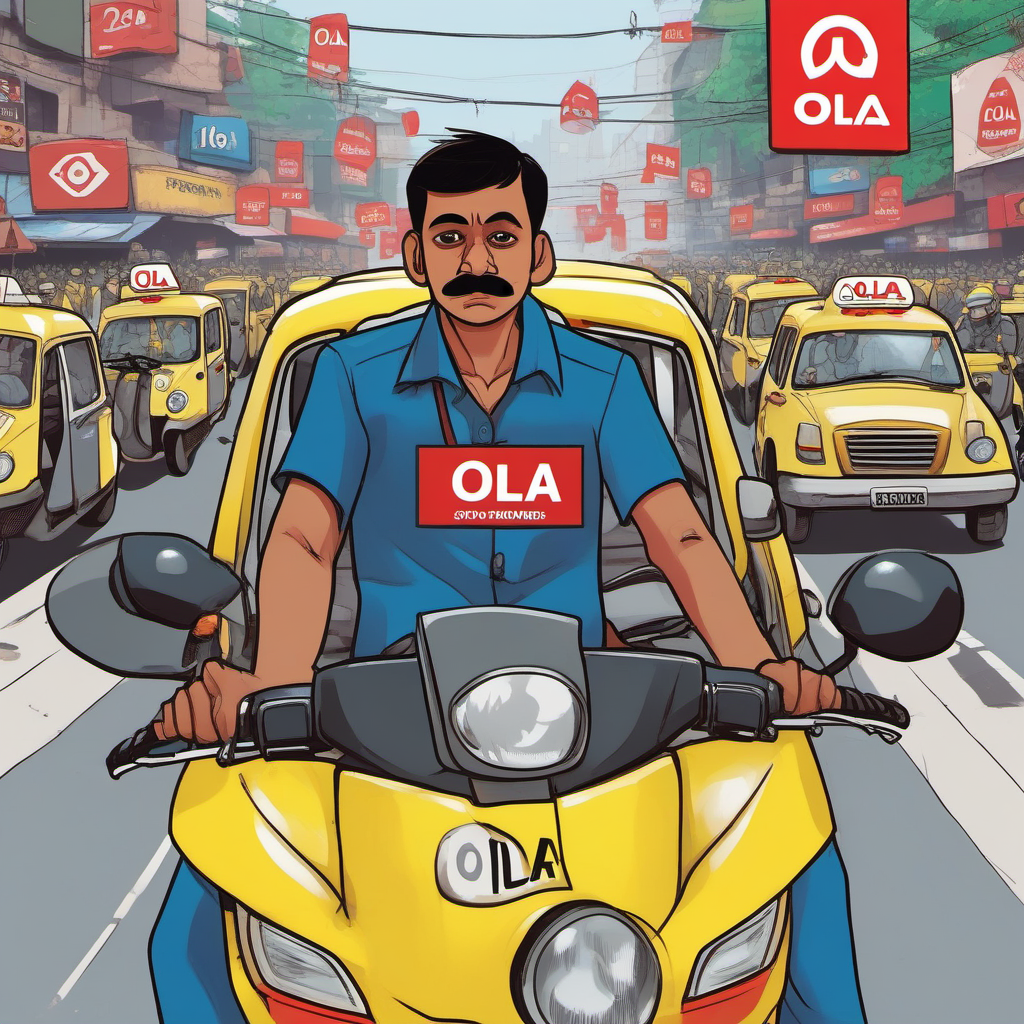
The Maharashtra government is taking a firm stance against app-based bike taxi services operated by Ola, Uber, and Rapido, seeking their immediate shutdown. Transport Minister Pratap Sarnaik has approached the state’s cyber crime department to file FIRs against these companies, citing a lack of valid permissions and non-compliance with transport regulations. This development highlights the ongoing regulatory challenges faced by ride-hailing platforms in India.
## App Aggregators in the Crosshairs
The controversy surrounding bike taxi services in Maharashtra is part of a broader conflict between technology-driven transport solutions and traditional regulatory frameworks. This is not an isolated incident but a continuation of a series of legal and regulatory challenges faced by ride-hailing apps in the state. Earlier this year, the Maharashtra government had already declared operations by Ola, Uber, and Rapido illegal due to the absence of a formal policy framework, leading to vehicle seizures and legal actions.
Related Posts




The pressure from autorickshaw and taxi unions has further intensified the situation, as they argue that bike taxi services operate without the same regulatory burdens and undercut traditional fares. This opposition is coupled with safety concerns, underscored by incidents like the fatal accident involving an unauthorised bike taxi near Mumbai Link Road in February.
## The Regulatory Landscape and Competition
Maharashtra’s move reflects a broader trend in India’s regulatory environment for app-based transport services, which often find themselves at odds with state regulations. Despite the potential for bike taxis to offer affordable and efficient urban mobility solutions, regulatory approval remains a significant hurdle. The Maharashtra Bike Taxi Rules, 2025, introduced last year, aimed to provide a structured framework for licensed operations in cities with populations over one lakh, but enforcement and compliance remain contentious issues.
The competition in the bike taxi segment is heating up with players such as Ola, Uber, and Rapido vying for market share. However, the lack of a unified national policy and varying state-level regulations create a challenging landscape. This environment forces companies to navigate complex legal and operational uncertainties, impacting their ability to scale operations effectively.
## Implications for India’s Startup Ecosystem
The ongoing regulatory crackdowns in Maharashtra are indicative of the complex relationship between innovative startups and traditional regulatory systems in India. For the Indian startup ecosystem, particularly those in mobility and transport, the situation underscores the necessity of engaging with policymakers to develop frameworks that accommodate innovation while ensuring safety and compliance.
For investors, these challenges highlight the importance of due diligence in understanding the regulatory risks associated with mobility startups. The situation in Maharashtra may prompt other states to reassess their policies, potentially leading to a more harmonized regulatory environment across the country.
As the Maharashtra government continues its crackdown, the focus will likely shift to how these companies adapt to regulatory demands and whether they can resume operations under a compliant framework. For founders and engineers in the mobility sector, the key takeaway is the importance of building adaptable business models that can pivot in response to regulatory changes. The next development to watch will be whether a dialogue between the government and these companies can lead to a mutually beneficial resolution, paving the way for sustainable growth in the bike taxi segment.