The direct selling industry in India is facing heightened competition from e-commerce and direct-to-consumer (D2C) brands, according to a recent report by the India Direct Selling Association (IDSA). This development is significant as it highlights a shift in consumer expectations and the evolving retail landscape in India, where digital-first platforms are setting new benchmarks for shopping experiences.
### The Company and Industry Landscape
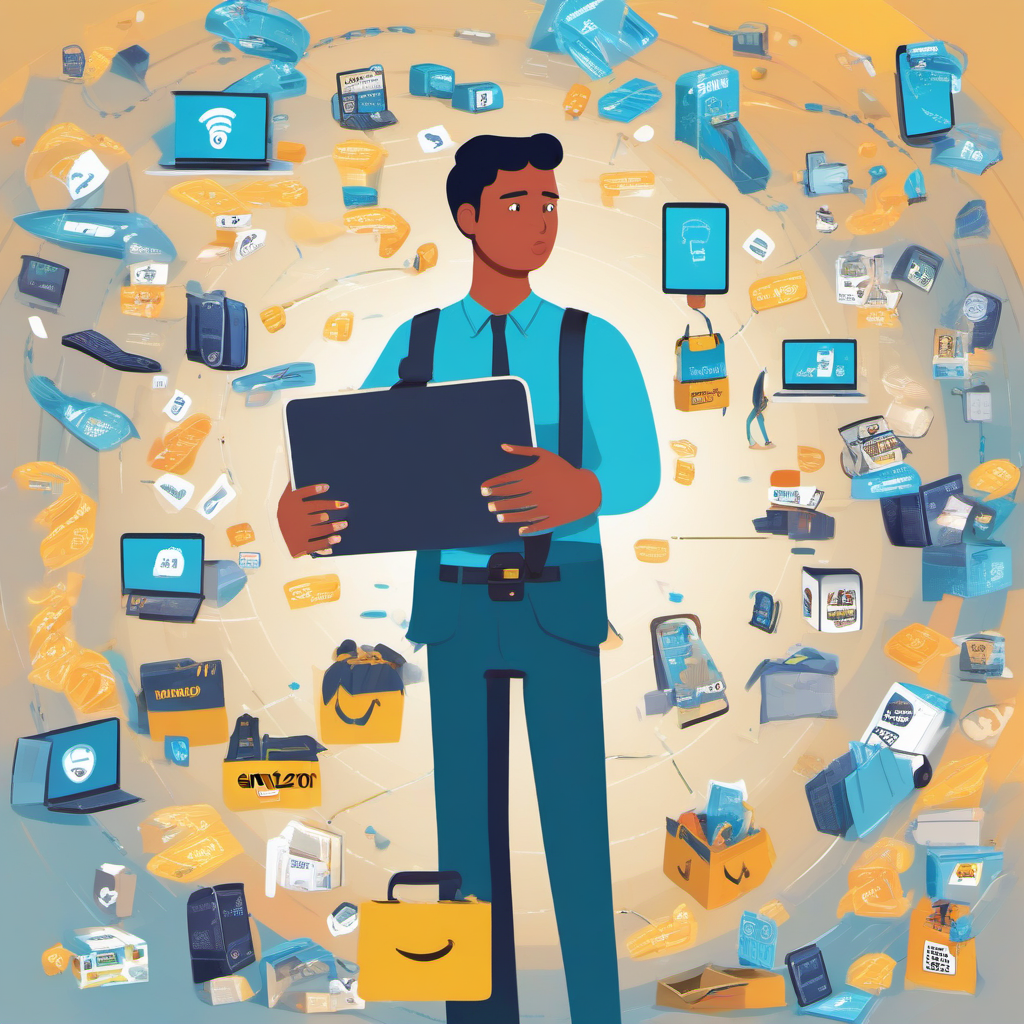
The direct selling industry in India, represented by prominent names such as Amway, Avon, and Herbalife, has traditionally relied on personal relationships and product quality. However, the rise of e-commerce giants like Amazon and Flipkart has introduced new challenges. The IDSA report reveals that 58% of direct sellers now view competition from e-commerce and quick-commerce platforms as a major hurdle. Consumers are increasingly demanding faster delivery, competitive pricing, and seamless digital interfaces—standards that online retail platforms have popularized.
Related Posts



Despite these challenges, the direct selling sector in India has shown resilience. It reported a 4% year-on-year growth in FY25, reaching Rs 23,021 crore. This growth is notable given that the global direct selling market contracted by 1.2% during the same period. The report also notes that India ranks 11th globally in direct selling retail sales, underscoring the sector’s significance in the country.
### Competitive Context and Market Dynamics
The competition from digital platforms is not only about consumer acquisition but also about attracting flexible, income-seeking individuals who traditionally might have opted for direct selling. This competition is reshaping the industry, pushing direct sellers to innovate and offer more digital-friendly services. The shift in consumer behavior, driven by the convenience of instant delivery and real-time tracking offered by e-commerce platforms, is forcing direct sellers to adapt quickly.
Regionally, the northern part of India leads in direct selling with a 27.58% share of gross sales, followed by the western and eastern regions. Maharashtra remains the top state with a 15.31% contribution to gross sales. The wellness and nutraceutical segments continue to dominate, accounting for 60% of sales, reflecting consumer preference for health-related products.
### Implications for India’s Startup Ecosystem
The intensifying competition between direct selling and e-commerce platforms has broader implications for India’s startup ecosystem. As consumer expectations evolve, startups in the retail and D2C sectors have an opportunity to capitalize on the demand for convenience and digital integration. For entrepreneurs and investors, this environment presents both challenges and opportunities. Startups that can innovate in areas like supply chain efficiency, digital payment solutions, and customer experience stand to benefit.
The increased competition also suggests a potential for collaboration or convergence between direct selling companies and digital platforms. Such partnerships could combine the strengths of personal selling with the reach and efficiency of digital channels.
Looking ahead, the direct selling industry in India is likely to undergo further transformation as it navigates these competitive pressures. For founders and investors, monitoring how traditional direct selling companies adapt to digital trends will be crucial. The next steps could involve strategic alliances, technology adoption, and new business models that blend personal engagement with digital convenience.