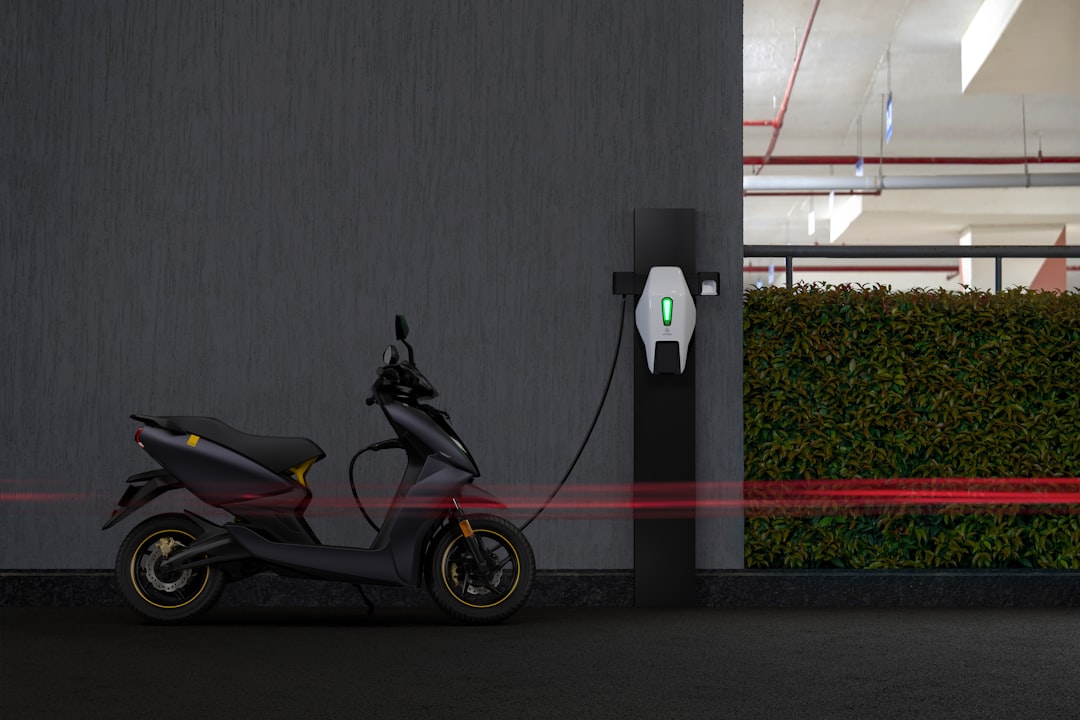
Ather Energy, the electric two-wheeler manufacturer, has announced plans to raise up to Rs 2,500 crore through various financial instruments. The decision was made during a board meeting on June 12, 2026. This fundraising initiative is significant as it underscores the burgeoning demand and investment interest in India’s electric vehicle (EV) sector, which is pivotal to the country’s sustainable mobility goals.
### Ather Energy’s Fundraising Strategy
Ather Energy plans to raise Rs 1,500 crore through a Qualified Institutional Placement (QIP) of equity shares, potentially in multiple tranches. The remaining Rs 1,000 crore is expected to come from equity shares, foreign currency convertible bonds, or other convertible securities. These funds will be raised through permissible methods such as preferential or rights issues, contingent upon regulatory and shareholder approvals. A dedicated Fund Raise Committee has been established to oversee the process, and shareholder approval will be sought via an electronic postal ballot.
Related Posts



The company has not yet disclosed specifics regarding potential investors or the pricing and timeline for the issuance of these securities. These details will be finalized by the board in due course, depending on prevailing market conditions and investor interest.
### Competitive Landscape and Funding Environment
This development comes on the heels of Ather’s improved financial performance in Q4 FY26, with a 74% year-on-year increase in revenue to Rs 1,174.66 crore and a significant reduction in net loss by 57% to Rs 100.23 crore. Ather’s fundraising plan follows a similar move by Ola Electric, which recently secured Rs 780.24 crore through a QIP. The competition between Ather and Ola Electric highlights the intense rivalry in India’s EV market, driven by the government’s push for electric mobility and increasing consumer acceptance.
The Indian startup ecosystem is witnessing a surge in venture funding, particularly in the EV space, as investors are keen to capitalize on the sector’s growth potential. This fundraising activity is indicative of the broader trend where startups are leveraging public and private markets to fuel their expansion plans.
### Implications for India’s Startup Ecosystem
Ather’s fundraising strategy is likely to have far-reaching implications for India’s burgeoning EV ecosystem. By bolstering its financial reserves, Ather can enhance its production capabilities, expand its retail footprint, and invest in research and development to innovate new technologies. This move could stimulate further investment in the EV supply chain, encouraging more startups to enter the market and contribute to India’s electric mobility ambitions.
For founders and investors, Ather’s fundraising could serve as a bellwether for future investments in the sector, highlighting the importance of strategic capital allocation in scaling operations and achieving profitability. The successful execution of this plan may also set a precedent for other startups considering similar funding routes to support their growth trajectories.
Looking ahead, it will be crucial to monitor how Ather deploys the raised capital and whether it can maintain its growth momentum in a competitive market. Investors and industry stakeholders will be keen to see if Ather’s initiatives can drive significant advancements in product offerings and market share, potentially reshaping the landscape of India’s EV sector.