**The New Travel Reality**
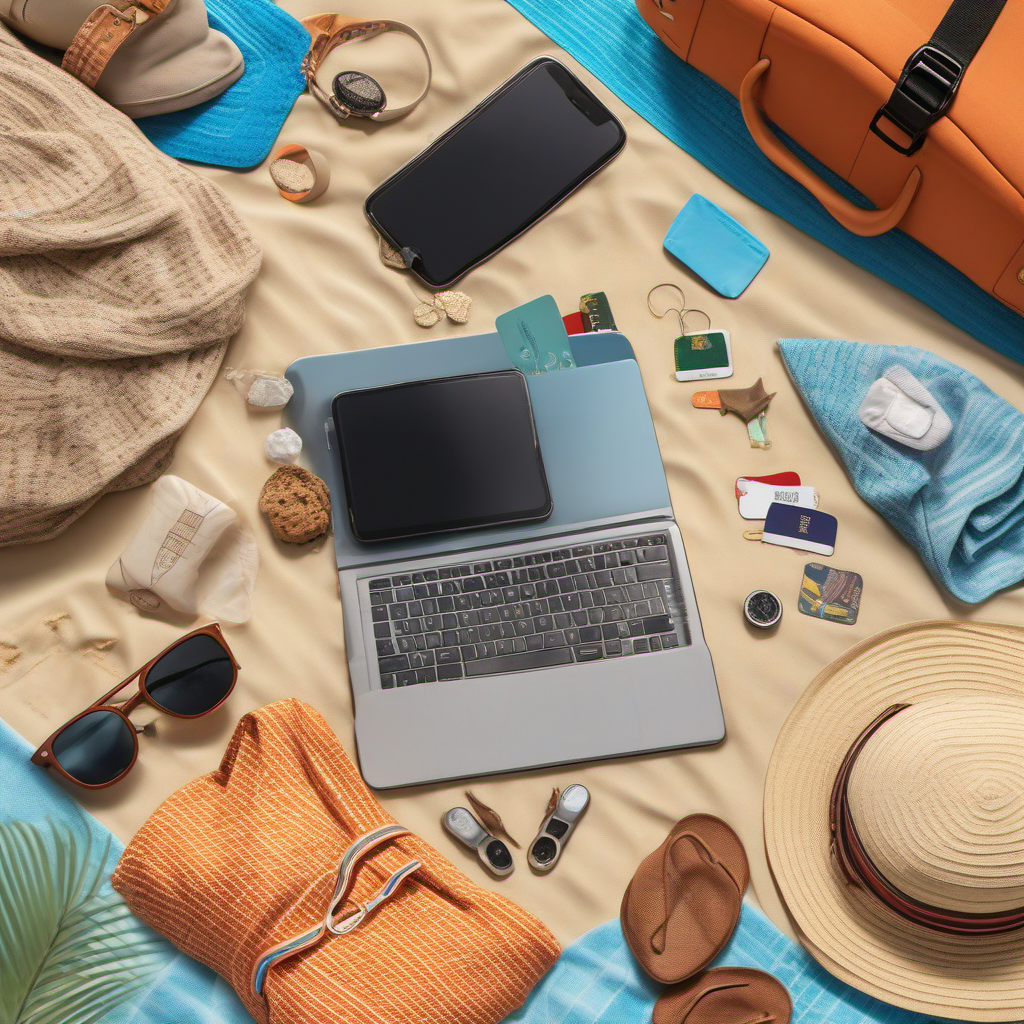
India’s short-break economy is transforming how consumers approach travel and shopping. Instead of focusing solely on major holidays and festivals, Direct-to-Consumer (D2C) brands are now tapping into the recurring travel moments that define modern lifestyles. Companies are developing products specifically for short trips, such as travel-sized toiletries, portable gadgets, and compact luggage. These offerings cater to a growing demographic that values frequent, experience-driven travel.
Pravin Prabhakar, CEO of D2C luggage brand Provogue, highlights how luggage brands are adapting to this trend. “The demand for compact, versatile luggage that suits last-minute travel plans is increasing. Consumers are looking for products that offer convenience without compromising style,” he notes. This shift is significant as it represents a move away from traditional, event-driven consumption patterns towards more spontaneous, frequent purchase behavior.
Related Posts



**Adapting to Market Dynamics**
The rise of the short-break economy is not occurring in isolation. It reflects broader changes in consumer behavior and market dynamics. With schools on break and families planning quick getaways, the demand for travel-related products spikes during certain periods. This is not merely a seasonal phenomenon but a strategic opportunity for brands to engage with consumers throughout the year.
Quick commerce platforms like Zepto, Blinkit, and Swiggy Instamart are at the forefront of this trend, offering curated collections that cater to vacation needs. By promoting themes like “Summer Mall” and “Vacations,” these platforms are reshaping how consumers perceive and plan their travel experiences.
The competitive landscape is also evolving, with ecommerce giants like Amazon and Flipkart expanding their travel-related offerings. Meanwhile, niche players such as Supertails are capitalizing on specific segments, like pet travel needs, to carve out their market share.
**Implications for India’s Startup Ecosystem**
The emergence of the short-break economy presents significant opportunities for India’s startup ecosystem. For D2C brands, it offers a chance to build customer loyalty by providing tailored solutions for travel needs. Startups can leverage data analytics to predict travel patterns and optimize inventory accordingly.
The trend also encourages innovation in product design and marketing strategies. Companies can experiment with subscription models, offering customers seasonal packs or travel bundles that align with their travel habits. This adaptability is crucial in a market that values personalization and convenience.
Investors, too, are taking notice of the potential within this space. The predictable nature of these travel windows allows for more strategic planning and investment. As consumer behavior continues to evolve, startups that can anticipate and meet these changing demands are likely to attract significant attention and funding.
**Looking Ahead**
As the short-break economy gains momentum, the focus will be on how brands can further integrate into the travel experiences of consumers. For entrepreneurs and investors, the key will be to watch how these new consumption patterns develop and identify areas for innovation and growth. Startups that can effectively tap into the emotional and practical aspects of travel will likely emerge as leaders in this evolving landscape.