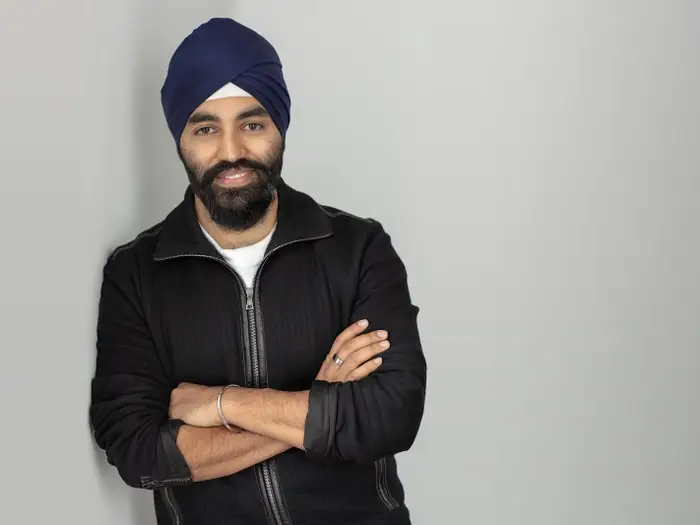
In the world of startups, legal battles are not uncommon, but the case of former Oura Health CEO Harpreet Singh Rai has captured significant attention. Rai has filed a lawsuit against the smart ring maker, alleging wrongful termination and breach of contract. The core of the dispute? A promised 5% equity stake that Rai claims was withheld.
The Background of the Dispute
Harpreet Singh Rai’s journey with Oura began in a rather serendipitous manner. As a customer of the product, he met Oura’s founder Kari Kivela in 2016 at a New York Whole Foods. This meeting led to Rai investing $1 million in Oura’s Series A round, alongside bringing in other investors, including future board member David Shuman.
Rai officially joined Oura as president in 2017, with an annual salary of $100K and the promise of a 5% equity stake. By 2018, he was promoted to CEO, steering the company through significant fundraising rounds, including a $5 million round in 2018 and a $28 million Series B round in 2019.
The Legal Battle Unfolds
According to Rai, his employment agreement stipulated that his equity would be restored to 5% post-Series B, with vesting over 42 months. However, Rai alleges that as his options neared full vesting in 2021, the board suggested reducing his stake to 3%, with future increases tied to company valuations of $5 billion and $10 billion.
Despite assurances from the board, Rai claims he was removed from the company shortly after Oura launched its third-generation ring. His lawsuit seeks equity compensation worth millions and $225,000 in severance, with his attorney Eric Rosen highlighting Rai’s pivotal role in Oura’s growth.
The Broader Context: Oura’s Legal Challenges
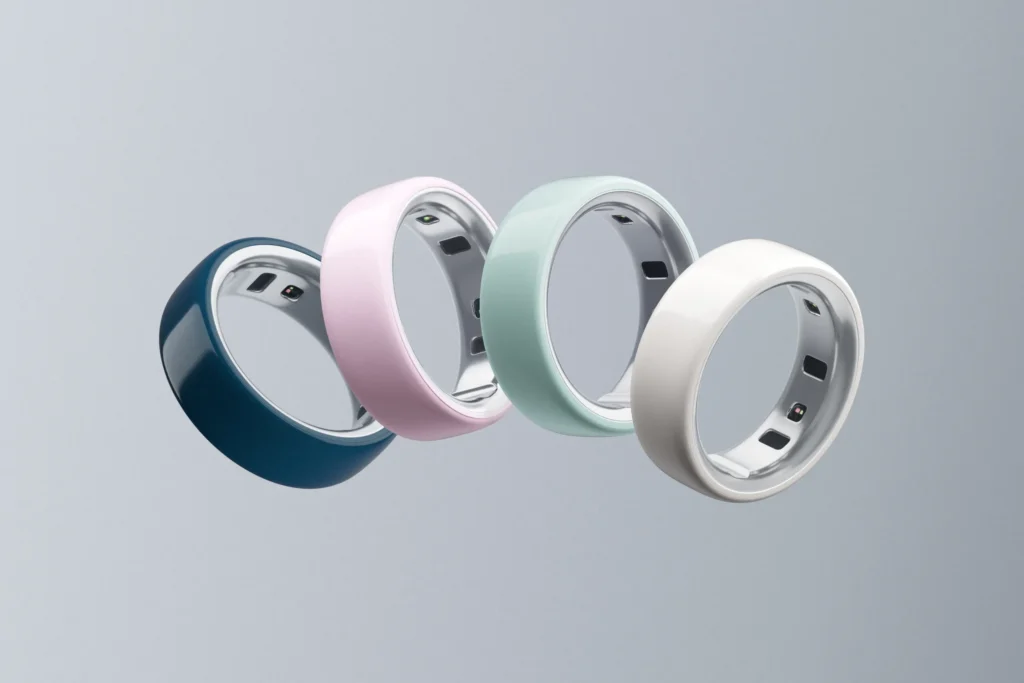
Rai’s lawsuit is not an isolated incident for Oura. The company is currently embroiled in multiple legal disputes globally. In the United States and India, Oura faces challenges from Ultrahuman, which claims Oura copied its sensor technology and health features. Meanwhile, Oura alleges that Ultrahuman copied its ring design and patents, leading to a U.S. order blocking Ultrahuman rings from entering the country.
Adding to the complexity, several high-profile promoters, including Drew Brees and Peter Attia, have filed lawsuits against Oura. They allege that the company promised stock options in return for investments and promotional services, only to later claim that these agreements were unauthorized by the board.
The Impact on Oura and the Industry
These legal battles highlight the often tumultuous nature of startup ecosystems, where rapid growth can sometimes lead to complex legal entanglements. For Oura, a company that began with a Kickstarter campaign in 2015, these disputes could impact its reputation and operational focus.
For other startups, this serves as a cautionary tale. Clear and transparent agreements, especially concerning equity and compensation, are crucial. As the startup landscape continues to evolve, ensuring legal clarity and honoring commitments can make or break a company’s reputation.
What’s Next for Harpreet Singh Rai?
Despite the ongoing legal battle, Rai has not remained idle. He recently joined Mumbai-based health and insurance startup Loop as President of the Healthcare vertical. This move underscores his continued influence and expertise in the health tech sector.
Reflecting on the Lessons
For entrepreneurs and startup enthusiasts, Rai’s story raises important questions: How can startups better manage equity agreements? What steps can be taken to avoid such disputes? These are critical considerations for anyone involved in building and growing a startup.
As the legal proceedings unfold, the industry will be watching closely. The outcomes could set precedents for how equity disputes are handled in the fast-paced world of startups.
For more insights into Oura and its offerings, visit their official website.
By examining the intricate details of this case, you gain a deeper understanding of the challenges and complexities faced by startups in managing growth, equity, and legal obligations.
Enjoyed this article? Visit TechScoopIndia.com for more articles like this.