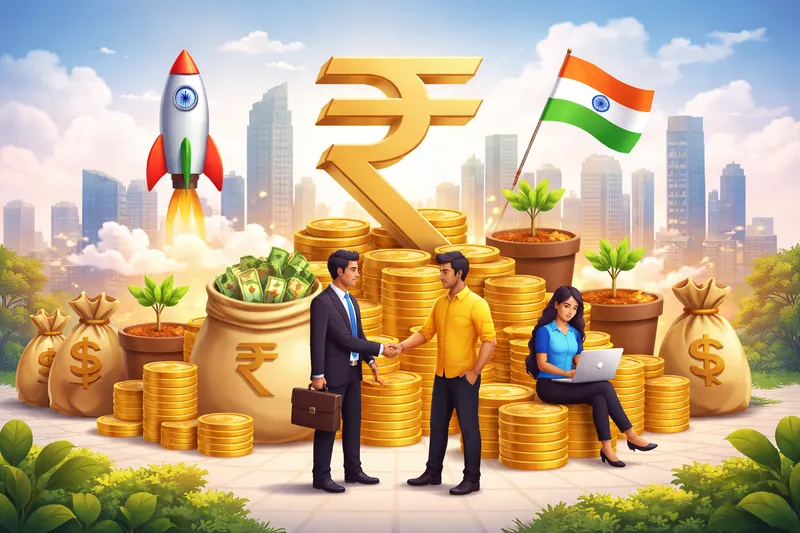
Indian Startups Surge with $1.4 Billion Funding in February
In February 2026, Indian startups made significant strides by raising $1.4 billion in venture capital. This impressive figure represents a 110% increase from February 2025, highlighting the growing confidence in India’s startup ecosystem.
Key Drivers Behind the Funding Surge
-
Neysa’s Major Contribution: Neysa’s $600 million fundraising effort played a pivotal role in boosting the overall venture capital inflow. Without this, the total funding would have been in the $800-900 million range, indicating a steady but unspectacular performance.
-
Sector Highlights: Artificial intelligence (AI) led the funding race, followed by cleantech and Direct-to-Consumer (D2C) sectors. Surprisingly, fintech, usually a frontrunner, ranked fourth.
- Notable Transactions: Besides Neysa, high-value deals included Drivn ($80 million), IDfy ($53 million), Temple ($54 million), and The Whole Truth ($51 million).
The Role of AI and Emerging Technologies
AI’s dominance in funding underscores its transformative potential across industries. As businesses increasingly integrate AI solutions, startups in this sector are attracting significant investor interest. The focus on AI aligns with global trends, where companies like NVIDIA are investing billions in AI infrastructure.
Brewing Authentic Kombucha: A Startup Story
While tech startups garner headlines, other sectors are quietly making waves. Kumbayah Kombucha, a Kerala-based startup, is redefining the functional beverage market in India. Founded by Arvind Mohan and Ashvini Birghoffer, the company sells over 1.5 million bottles annually across South India.
What Sets Kumbayah Kombucha Apart?
-
Authenticity: Unlike many products in the market, Kumbayah Kombucha stays true to traditional methods, using a live culture known as SCOBY.
- Market Reach: Available in cities like Bangalore, Chennai, and Hyderabad, Kumbayah is tapping into the growing demand for health-conscious beverages.
Challenges and Opportunities in the Startup Ecosystem
Despite the impressive funding figures, challenges remain. The absence of $100 million-plus deals outside Neysa suggests a cautious investor approach. However, the diverse sectors receiving funding indicate a broadening of interest beyond traditional tech.
Privacy Concerns in Wearable Tech
Modern solutions often bring modern problems. The rise of luxury wearables like smart glasses has led to privacy concerns. Apps like Nearby Glasses aim to address this by alerting users to nearby smart glasses, highlighting the ongoing balance between innovation and privacy.
Global Context and Insights
The Indian startup ecosystem’s growth mirrors global trends. For instance, NVIDIA’s $4 billion investment in optical technology for AI infrastructure reflects the increasing demand for robust data centers capable of handling AI workloads.
Thought-Provoking Questions
- How can startups balance innovation with ethical considerations, particularly in AI and wearable tech?
- What strategies can emerging markets adopt to attract more diverse investment?
Conclusion
February 2026 was a landmark month for Indian startups, with significant funding boosting confidence in the ecosystem. As sectors like AI and cleantech gain traction, the future looks promising. However, startups must navigate challenges like privacy concerns and investor caution to sustain growth.
For more insights into startup funding and trends, visit YourStory.
This article combines insights from recent funding data and trends in wearable technology and AI, providing a comprehensive view of the current startup landscape. By focusing on both numbers and narratives, it offers a balanced perspective on opportunities and challenges facing Indian startups today.