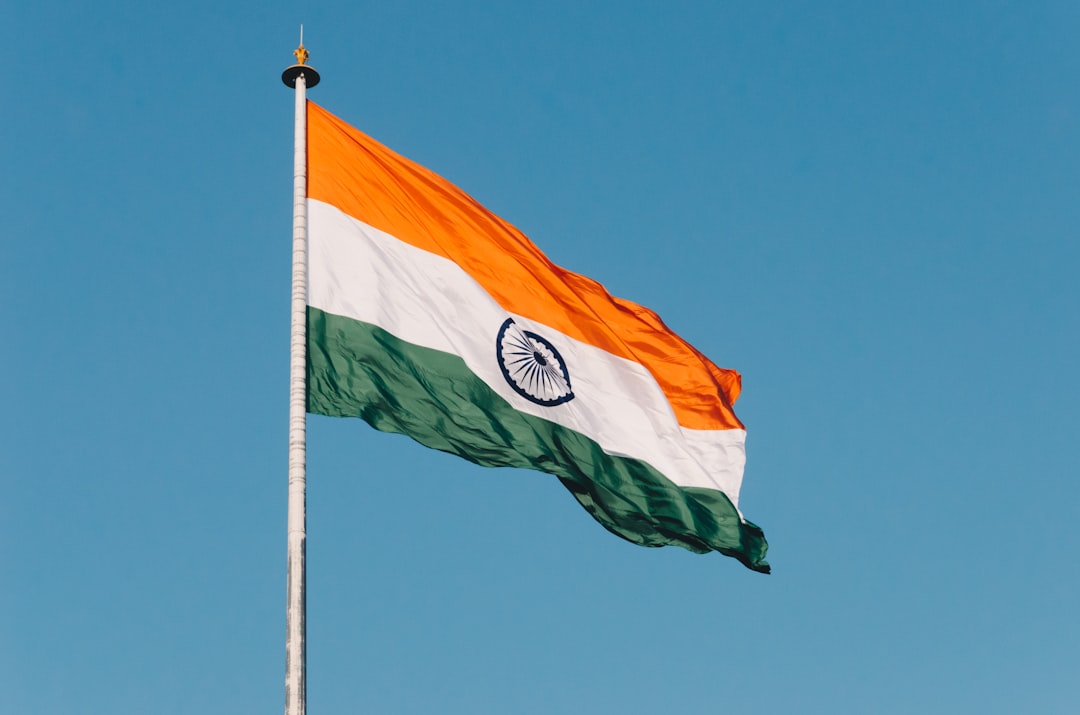
India’s next phase of growth is poised to be driven by innovation, a shift that holds significant implications for the nation’s startup ecosystem and its position in the global market. As the country seeks to become a hub for technological advancements, the focus is on transforming ideas into tangible enterprises and technologies that can compete on a global scale. This development is critical as it aligns with India’s goal of becoming a leading innovation-led economy.
### From Policy Intent to Innovation Infrastructure
Over the past decade, India has laid the groundwork for an innovation-driven economy. The number of government-recognized startups has surged from approximately 500 in 2016 to over 200,000 by December 2025. This growth has translated into the creation of more than 2.1 million jobs, highlighting the tangible impact of policy support on enterprise formation and employment. India’s ascent to the 38th position in the Global Innovation Index 2025, ranking first among lower middle-income economies, showcases its growing innovation capacity.
Related Posts




Key initiatives such as Startup India, the Atal Innovation Mission, iDEX, BIRAC, and the IndiaAI Mission have been instrumental in fostering entrepreneurship and research-backed innovation. The Atal Innovation Mission, for instance, has engaged over 11 million students through 10,000 Atal Tinkering Labs, while the IndiaAI Mission has been bolstered by a substantial ₹10,371.92 crore investment over five years. These efforts underscore India’s commitment to building a robust innovation infrastructure.
### The Next Challenge: Execution
While policies have set the stage, the real test lies in the execution of innovative ideas into practical solutions. A new generation of Indian founders, researchers, and students is rising to this challenge with confidence and ambition. Their work spans critical sectors such as healthcare, clean energy, manufacturing, mobility, semiconductors, agriculture, biotechnology, and deep-tech. These areas are not only vital for India’s future but also demand solutions at a scale that matches the country’s vast needs.
Innovation thrives when various sectors collaborate effectively. Governments can provide conducive frameworks, industries can offer scalability and market insights, and educational institutions can nurture the necessary talent and experimentation. This collaborative approach is essential for translating innovative ideas into market-ready solutions.
### Implications for India’s Startup Ecosystem
The role of public institutions like the Indian Institutes of Technology (IITs) and the Indian Institute of Science (IISc) has been pivotal in strengthening India’s innovation base. IIT Madras and IIT Bombay, for example, have become prominent deep-tech incubation hubs, nurturing over 1,000 startups with a combined valuation exceeding $9 billion. In the fiscal year 2024-25 alone, IIT Madras incubated over 100 deep-tech startups, demonstrating the potential of universities to drive research, product development, and enterprise creation.
Private universities also play a crucial role in expanding India’s innovation landscape. Institutions like Shiv Nadar University and KREA University are fostering environments that encourage interdisciplinary learning, research, and entrepreneurship. By integrating real-world problem-solving into their curricula, these universities are contributing to a culture of innovation.
### What May Happen Next
As India advances into this new phase of innovation-led growth, the focus will likely shift towards enhancing execution capabilities and fostering deeper collaboration across sectors. For founders, this means a wealth of opportunities to develop solutions that cater to both domestic and global markets. Investors will find a fertile ground for funding high-potential startups that are poised to make significant impacts. As the ecosystem matures, the next significant development to watch will be the emergence of globally competitive Indian tech companies that can set benchmarks in innovation and enterprise.