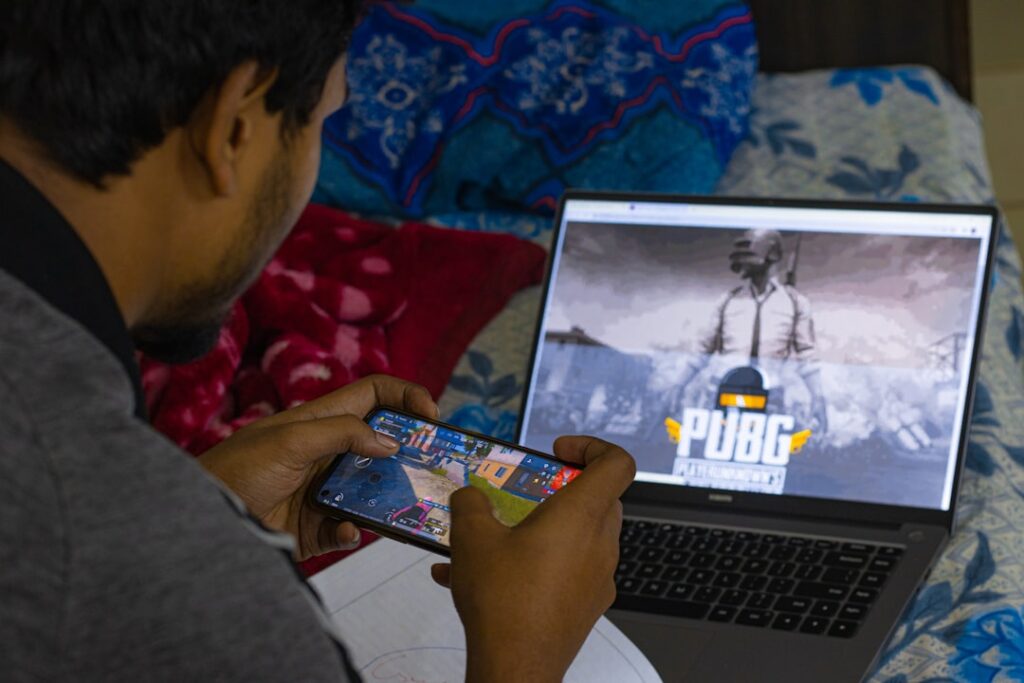
India’s mobile gaming industry is poised for significant growth, with revenue expected to reach $2.4 billion by 2029, according to a report by MIXI Global Investments (MGI). This projection underscores the sector’s transition from merely having a large user base to becoming a lucrative market, driven by increasing smartphone penetration, digital payments, and consumer engagement.
### The Company and Product Landscape
The report titled “India’s State of Play,” authored by Naavik and powered by Sensor Tower, outlines the revenue trajectory of India’s mobile gaming market. It predicts that combined in-app purchase (IAP) and advertising revenue will grow from approximately $1.1 billion in 2025 to $1.5 billion in 2026. The growth is attributed to a diverse gaming audience and a shift in player preferences, with genres beyond traditional shooter games gaining traction. Strategy games, particularly the 4X subgenre, and multiplayer online battle arena (MOBA) titles have seen substantial revenue increases. The popularity of lifestyle and simulation games, such as Roblox, is also noteworthy.
### Market Context and Competitive Landscape
India ranks as the world’s second-largest market for mobile game downloads, trailing only China. With around 600 million active gamers, India’s mobile gaming sector has experienced a 9% year-on-year increase in its user base. This expansion is supported by a growing ecosystem of over 2,000 gaming companies and 130,000 professionals. Despite the plateau in download volumes, the doubling of IAP revenue since 2020 indicates a shift towards monetization. Indian developers are also making significant strides, with games like Ludo King and Cricket League topping download charts, highlighting the preference for locally-relevant content.
### Implications for India’s Startup Ecosystem
The growth of the mobile gaming industry is a boon for India’s startup ecosystem, contributing to job creation and innovation. The diversification of gaming genres and increased participation from diverse demographics, including female players and older age groups, signal new opportunities for developers and investors. With a broader array of gaming experiences available, startups can leverage these trends to create targeted products and capture niche markets. The sector’s expansion also complements India’s burgeoning digital entertainment landscape, where microdramas and similar segments are gaining popularity.
As India’s mobile gaming revenue continues to rise, stakeholders in the tech ecosystem should monitor the evolving preferences and demographics of gamers. For founders and developers, understanding these trends can inform product development and investment strategies. Investors may find opportunities in supporting startups that cater to emerging gaming genres or develop locally-relevant content. The next few years will be critical in determining how India’s gaming landscape matures, potentially setting the stage for new leaders in the global market.