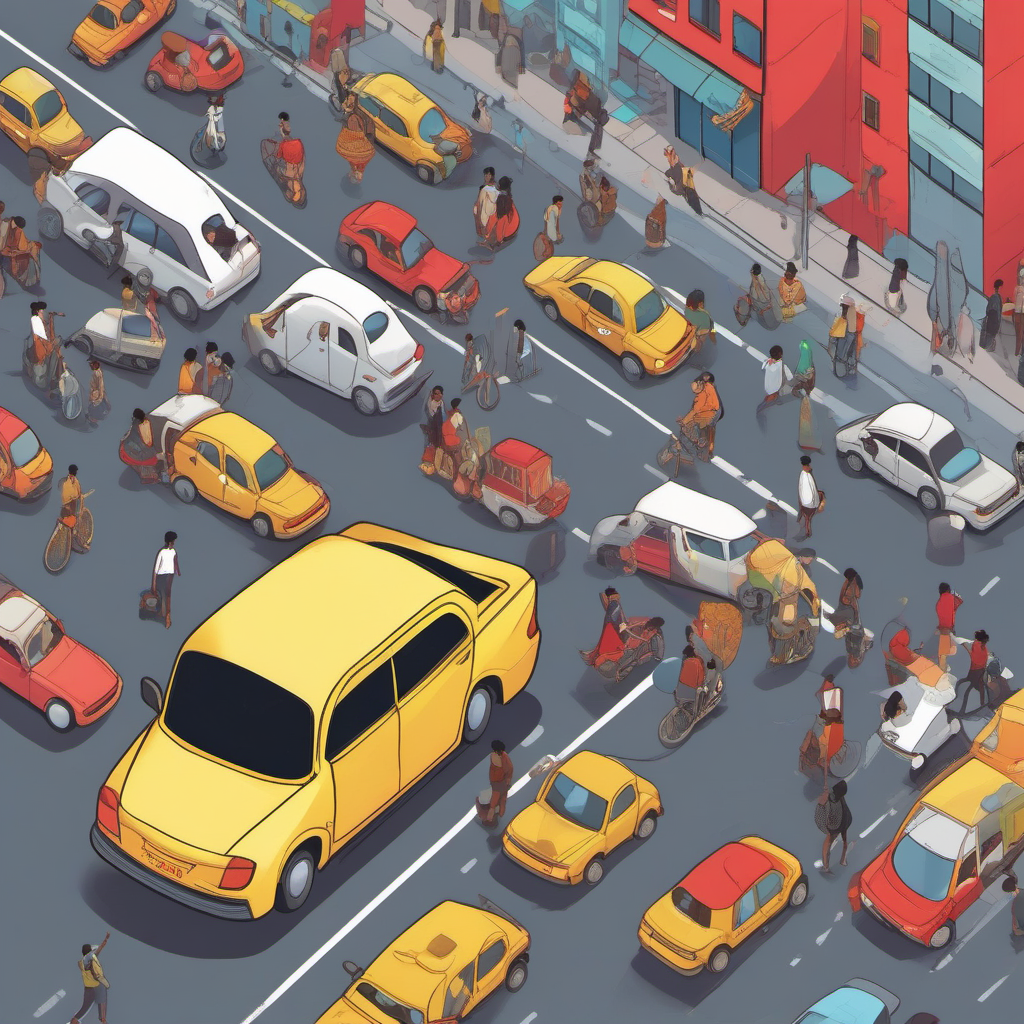
The ongoing crude oil crisis, exacerbated by geopolitical tensions such as the US-Iran conflict, is presenting significant challenges for India’s ride-hailing industry. Companies like Uber, Ola Cabs, and Rapido are grappling with rising fuel costs that threaten to reshape urban mobility. With commercial vehicle drivers in Delhi-NCR already striking for fare hikes, the industry’s resilience is under scrutiny. The situation poses crucial questions about the sustainability of app-based mobility, which has thrived on the promise of affordable convenience.
### The Cracks In India’s Mobility Armour
India’s ride-hailing market is notably price-sensitive, despite its importance in urban transportation. While moderate fare increases might be tolerated temporarily, significant price hikes could drastically affect demand. According to Sriram Kannan, CEO of Routematic, transport costs rising beyond 25-30% could severely impact consumer behavior. This would first affect discretionary and short-distance travel, especially in tier II and III cities where price sensitivity is more pronounced.




Fuel accounts for up to 40% of a driver’s operating expenses, and sustained crude price increases compress margins for both drivers and platforms. This cost pressure could lead to a reduction in the frequency of app-based rides, as commuters start reassessing the necessity of trips. Alternatives like metro systems, buses, bike taxis, or shared rides might gain traction as commuters look to minimize expenses.
### Market Context and Competitive Landscape
The Indian ride-hailing sector operates in a highly competitive and dynamic environment. Ola and Uber dominate the market, but they face competition from local players like Rapido and newer entrants focusing on niche segments like bike-taxi services. The sector’s growth has been fuelled by a young, tech-savvy population and increasing smartphone penetration. However, profitability has remained elusive due to aggressive pricing strategies and high customer acquisition costs.
Given this backdrop, the current fuel crisis adds another layer of complexity. The pressure to maintain competitive pricing while managing rising operational costs could drive companies to innovate or explore partnerships with alternative energy providers. Electric vehicles (EVs) might become more attractive as companies seek to reduce their dependence on fossil fuels, although the transition would require significant investment in infrastructure and policy support.
### Implications for India’s Startup Ecosystem
The ride-hailing sector’s challenges underscore broader implications for India’s startup ecosystem. As fuel prices remain elevated, startups across sectors may need to reassess their cost structures and explore sustainable alternatives. The current crisis could accelerate the adoption of green technologies and encourage investment in EV infrastructure, presenting opportunities for innovation and entrepreneurship.
The situation also highlights the importance of policy interventions to stabilize the sector. Government support in the form of subsidies for EVs, investment in public transportation infrastructure, and regulatory frameworks that support price stability could play a crucial role in mitigating the crisis’s impact.
While the immediate future poses challenges, the ride-hailing industry in India could witness a significant transformation. Companies that adapt to these changes by embracing sustainable practices and innovative business models may emerge stronger. For founders and investors, the focus should be on tracking regulatory developments and technological advancements in mobility solutions. The next few months will be critical in determining how the sector navigates these challenges and whether it can leverage this crisis as a catalyst for long-term growth and sustainability.