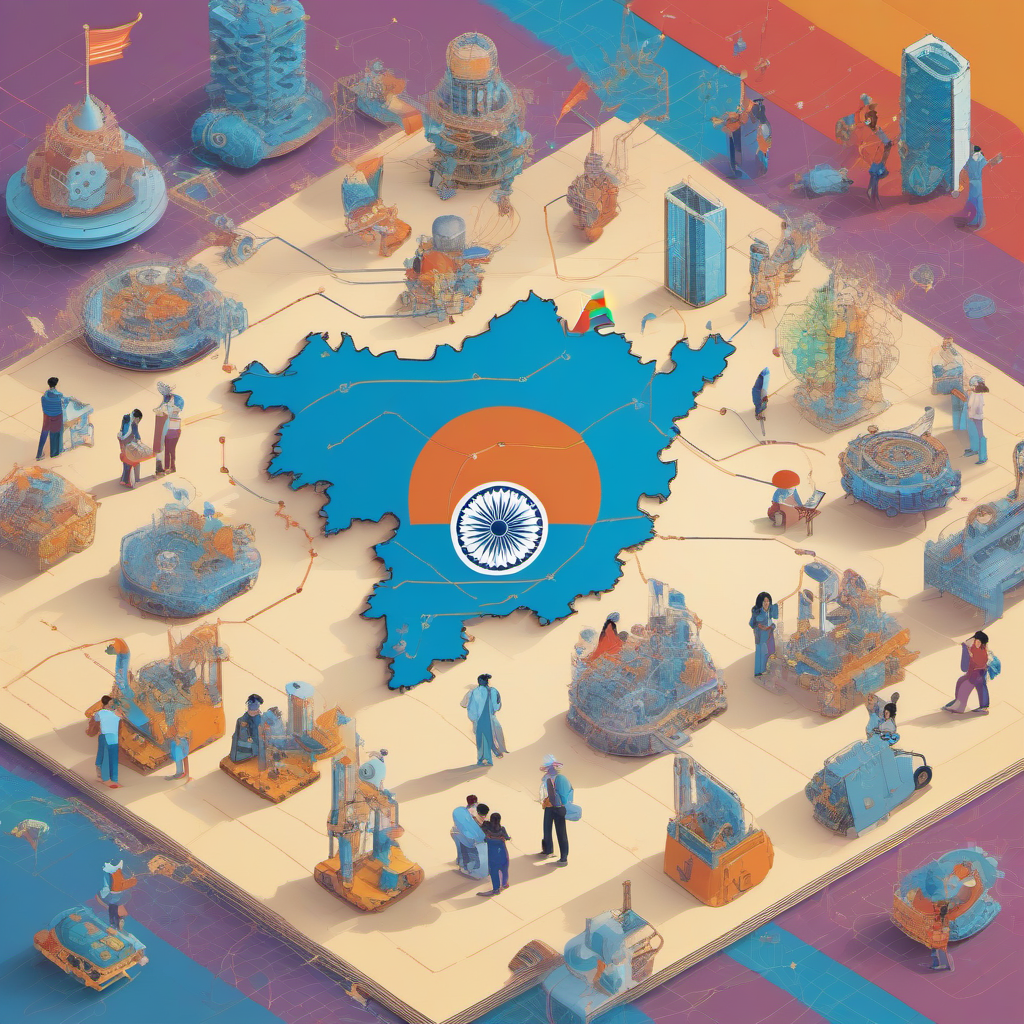
India’s drive towards technological innovation is not just a strategy but a necessity in an increasingly competitive global landscape. As the world becomes more reliant on technology, a nation’s standing in international trade, security, and diplomacy hinges on its technological capabilities. For India, this means fostering an environment where innovation thrives, bridging the gap between ambition and execution, and reducing strategic vulnerabilities.
### The Rise of Innovation in India
Over the past decade, India has made significant strides in positioning itself as a hub for technological innovation. Spearheaded by initiatives like Startup India, IndiaAIMission, and the Atal Tinkering Labs, the government has laid the groundwork for a robust innovation ecosystem. These initiatives have not only encouraged entrepreneurship but also fostered a culture of technological exploration and development among the youth.
Related Posts




Institutions like the Indian Institutes of Technology (IITs) and the Indian Institute of Science (IISc) have become breeding grounds for deep-tech talent. Supported by the Ministry of Education, these institutions serve as incubators, nurturing the next generation of innovators who are poised to tackle global challenges with homegrown solutions.
### Navigating the Competitive Landscape
While India has made commendable progress, the journey towards becoming a global innovation leader is fraught with challenges. The global market is dominated by tech giants from the US, China, and Europe, who have already established strongholds in critical technology sectors. To compete, India must focus on origination—owning critical intellectual property, controlling supply chain chokepoints, and building component depth.
India’s industrial R&D intensity remains low compared to international standards. To move from being a user of global technology to a creator, India must prioritize building technologies that the world will use. This involves not only mastering new capabilities but also reducing dependencies on foreign technologies.
### Implications for India’s Startup Ecosystem
India’s burgeoning startup ecosystem stands at a critical juncture. The emphasis on innovation provides startups with new opportunities to enter global value chains and improve lives at scale. However, the path ahead requires a strategic alignment of policy and market forces. In emerging sectors, the government must create anchor demand and absorb developmental risks, as evidenced by the success of iDEX in the defense sector.
As sectors mature, industry players must take the lead, with government policy addressing long-term research needs, setting common standards, and providing shared infrastructure. This collaborative approach ensures that no single entity bears the entire burden of innovation, fostering a sustainable and inclusive ecosystem.
### Future Prospects
Looking ahead, India’s focus on technological innovation will be pivotal in securing its strategic sovereignty. However, this does not equate to technological isolation. India’s innovation journey must be characterized by strategic collaborations and partnerships that complement its strengths and address its gaps.
For founders, engineers, and investors, the next phase of India’s innovation journey presents both challenges and opportunities. As the country aims to deepen its innovation capabilities, stakeholders should watch for policy shifts that could open new avenues for growth and collaboration. The focus will likely be on sectors where India can establish a competitive edge, making it crucial for industry players to stay agile and responsive to emerging trends and opportunities.