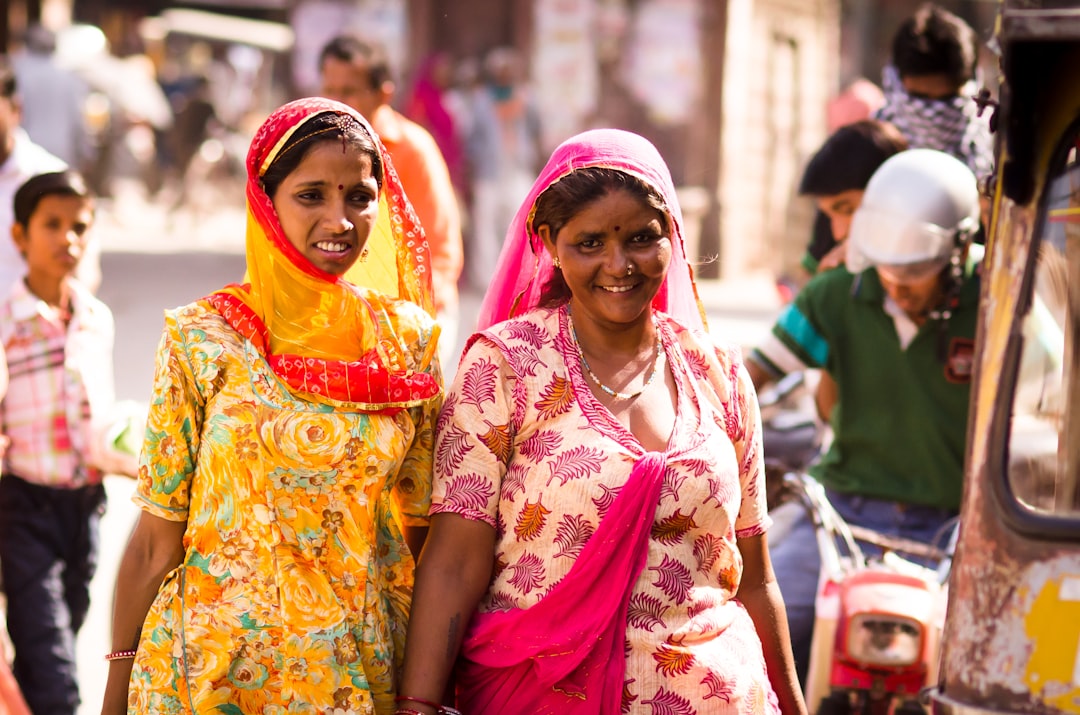
Women entrepreneurs in India are making strides despite facing numerous systemic challenges. Stories like those of Komal Londe from Pune and Annapurna Devi from Delhi exemplify the determination and potential of women seeking financial independence through entrepreneurship. Their journeys, however, are often hindered by a lack of access to resources, financial services, and digital tools essential for scaling their businesses.
### Building New Pathways
A growing number of initiatives are addressing these gaps by not only encouraging women to start businesses but also equipping them with the necessary tools and knowledge to grow. One significant effort is the SASHAKTI program, launched by Mastercard and Learning Links Foundation in 2022. This initiative, which recently won the Best CSR Program award from the Government of Maharashtra, has reached over 82,000 women across seven states, including Maharashtra, Delhi, and Uttar Pradesh. The program offers comprehensive support, combining financial literacy, digital training, business planning, market access, and mentorship, thus creating a sustainable ecosystem for women entrepreneurs.




Gautam Aggarwal, President of Mastercard India & South Asia, highlights the program’s impact by noting that the real challenge isn’t the capability of these women but their access to sustained support and networks. When these barriers are removed, women-led enterprises not only survive but thrive.
### Navigating the Funding Landscape
The Indian startup ecosystem, while vibrant, presents a complex funding landscape for women entrepreneurs. Traditional financial institutions often exhibit hesitancy in lending to women due to entrenched biases and perceived risks. However, alternative financing models, such as microfinance and government-backed schemes, are beginning to fill this void. Programs like SASHAKTI play a crucial role in bridging these gaps, providing women entrepreneurs with the confidence and resources to approach these funding avenues.
Despite the increasing availability of funds, women entrepreneurs still face challenges in obtaining capital compared to their male counterparts. Initiatives that focus on building trust and providing financial education are crucial in changing the narrative and enabling women to access the funds they need.
### Implications for India’s Startup Ecosystem
The rise of women entrepreneurs has significant implications for India’s startup ecosystem. By fostering a more inclusive environment, the diversity of ideas and approaches to problem-solving is enriched, driving innovation and economic growth. Women entrepreneurs contribute not only to their families’ well-being but also to the broader community by creating jobs and stimulating local economies.
As these initiatives continue to gain traction, they highlight the need for policy-level changes to support women entrepreneurs more effectively. By addressing structural barriers and promoting gender equality in entrepreneurship, the Indian startup ecosystem can unlock a vast reservoir of untapped potential.
Looking ahead, stakeholders in India’s entrepreneurial landscape, including policymakers, investors, and support organizations, must continue to prioritize and expand programs that empower women. For founders and investors alike, the success of women-led startups serves as a reminder of the importance of inclusivity and the potential for significant returns. Observing how these initiatives evolve and adapt to the changing needs of women entrepreneurs will be key to understanding the future trajectory of India’s startup ecosystem.