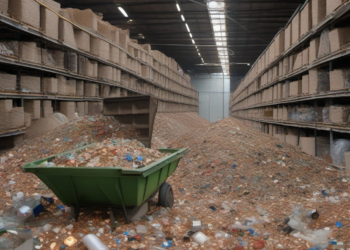
Karo Sambhav, a circular economy and recycling firm, has successfully raised Rs 56 crore in a pre-Series A funding round from Rainmatter, an investment initiative by Zerodha focused on sustainability and climate resilience. This funding will bolster Karo Sambhav’s efforts to enhance its recycling infrastructure, specifically targeting the recovery of critical and high-value materials from electronic waste (e-waste). This development is significant as it aligns with India’s strategic goals of reducing import dependency on critical minerals and bolstering its domestic supply chains.
### Karo Sambhav’s Mission and Operations
Founded in 2017, Karo Sambhav has positioned itself as a key player in India’s recycling industry, operating two recycling facilities and maintaining a presence in over 50 cities across the country. The company has channelled over 150,000 metric tonnes of waste into responsible recycling processes. Its operations encompass a range of materials, including e-waste, batteries, and glass, supported by a technology platform that enhances transparency and traceability in recycling processes. The recent funding will enable Karo Sambhav to expand its infrastructure, focusing initially on e-waste, which is rich in valuable metals and components crucial for manufacturing electronics and clean-energy technologies.




### Strategic Importance and Market Context
The investment from Rainmatter comes at a critical time as India’s demand for critical minerals, such as lithium, cobalt, and rare earth elements, grows. These materials are essential for various industries, including electric vehicles, renewable energy, and digital infrastructure. By recovering these minerals from waste streams, Karo Sambhav aims to not only support India’s manufacturing ambitions but also reduce the country’s reliance on imports. This initiative is further supported by the government’s Incentive Scheme for Promotion of Critical Mineral Recycling, part of the National Critical Mineral Mission, which underscores the strategic importance of developing domestic recycling capabilities.
### Implications for India’s Startup Ecosystem
Karo Sambhav’s funding success underscores the growing investor interest in sustainable and resource-efficient business models within India’s startup ecosystem. As environmental concerns and resource scarcity become more pronounced globally, startups focusing on circular economy solutions are likely to attract increased attention and capital. This trend highlights a shift in the startup landscape, where sustainability and long-term impact are becoming as crucial as financial returns.
Looking ahead, Karo Sambhav’s expansion could serve as a blueprint for other startups in the recycling and waste management sectors. As India continues to generate significant volumes of e-waste, estimated at 4.1 million metric tonnes annually, the potential for growth in this sector is immense. For founders and investors, the focus should remain on innovative solutions that address resource recovery challenges while contributing to India’s broader sustainability goals. The next phase to watch will be how Karo Sambhav scales its operations and the subsequent impact on critical mineral availability in domestic markets.