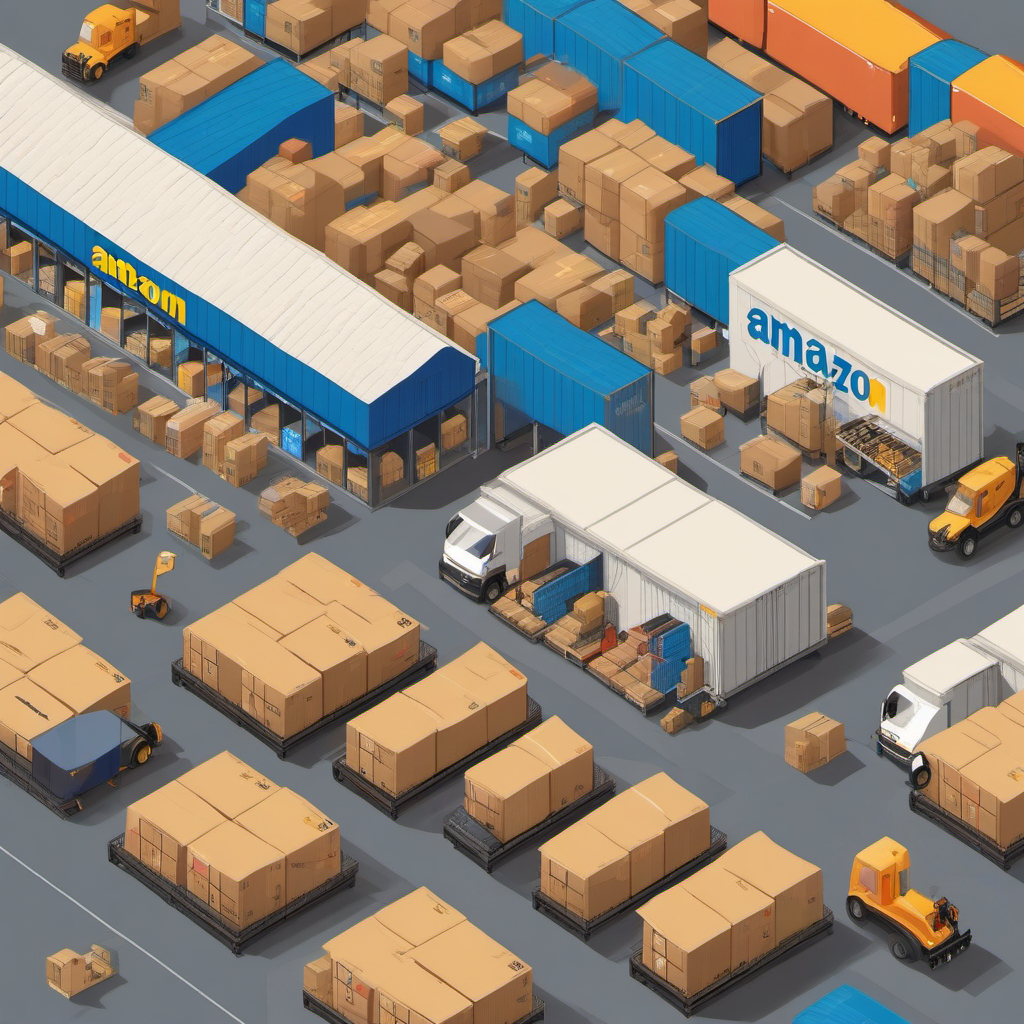
Amazon and Flipkart’s Logistics Expansion
Amazon and Flipkart, two of India’s largest ecommerce platforms, are extending their rivalry into the logistics sector. As traditional third-party logistics (3PL) services face increasing costs and shrinking operations in remote areas, these ecommerce giants are capitalizing on their extensive logistics networks. By monetizing their warehouses, freight trucks, and last-mile delivery fleets, Amazon and Flipkart are not only maximizing asset utility but also generating additional revenue streams.
Amazon has introduced Amazon Supply Chain Services, offering warehousing and fulfillment solutions to businesses regardless of their association with the platform. Meanwhile, Flipkart’s logistics arm, Ekart, has secured significant contracts with major companies, including IKEA and Ather Energy, and even direct competitors like TataCliq and Nykaa. This move allows both companies to offer comprehensive logistics solutions while deepening their market presence.
The shift towards logistics is not just about revenue; it provides Amazon and Flipkart with valuable data insights into regional demand, inventory flows, and competitor pricing strategies. This information can lead to a stronger platform lock-in, as businesses using these services may find it difficult to switch due to integrated operations and dependencies. However, this expansion could raise data privacy concerns, as these companies juggle roles as marketplaces, sellers, and logistics providers. Ensuring reliability and compliance, especially during peak seasons, will be crucial challenges.
Nua’s Funding Boost in the Femtech Space
In the direct-to-consumer (D2C) sector, femtech brand Nua is reportedly in advanced talks to raise between ₹189 crore and ₹236 crore in a Series C funding round. Led by Peak XV Partners, with participation from existing investors such as Mirabilis Investment Trust and Kae Capital, this funding round reflects the growing investor interest in the women’s health and hygiene sector in India. Since its inception in 2017, Nua has built a product line that includes sanitary pads, cramp relief products, and intimate washes, catering to a user base of over 1.5 million.
The anticipated funding round aligns with the expanding market for women’s hygiene products in India, driven by rising incomes and increased awareness of health and wellness. Nua’s focus on personalized and comfortable products has positioned it well in a competitive landscape that includes both established brands and new entrants. The additional capital will likely be used to enhance product offerings, expand distribution channels, and strengthen marketing efforts.
Implications for India’s Startup Ecosystem
These developments illustrate significant trends in India’s startup ecosystem, particularly the increasing focus on vertical integration and sector-specific innovation. Amazon and Flipkart’s foray into logistics underscores the importance of infrastructure and data in driving competitive advantages. For startups, this highlights the need to consider strategic partnerships and leverage existing networks to scale operations efficiently.
Nua’s fundraising efforts demonstrate the ongoing potential in niche markets within the broader consumer goods sector. As investors continue to seek out high-growth opportunities, startups focusing on underserved or emerging market segments, like femtech, may find increased support.
Looking ahead, the success of Amazon and Flipkart’s logistics ventures could prompt other large-scale players to diversify their offerings, potentially reshaping India’s logistics landscape. For startups and investors, monitoring how these ecommerce giants manage data privacy and operational challenges will be key. Similarly, Nua’s growth trajectory could inspire more investment in the femtech space, encouraging innovation in women’s health and hygiene products. Founders and investors should watch these sectors closely for signs of new opportunities or shifts in consumer behavior.