Swiggy’s Restaurant Verification Lapses Raise Concerns
An investigation by Entrackr has revealed that Swiggy, India’s prominent food delivery platform, is hosting multiple restaurant listings that appear to originate from the same physical kitchen. This discovery raises significant questions about Swiggy’s verification processes, the integrity of its review system, and the fairness of its advertising practices. The findings could have implications for both consumers and investors, who rely on the platform’s assurance of quality and transparency.
The Company and Its Verification Challenges




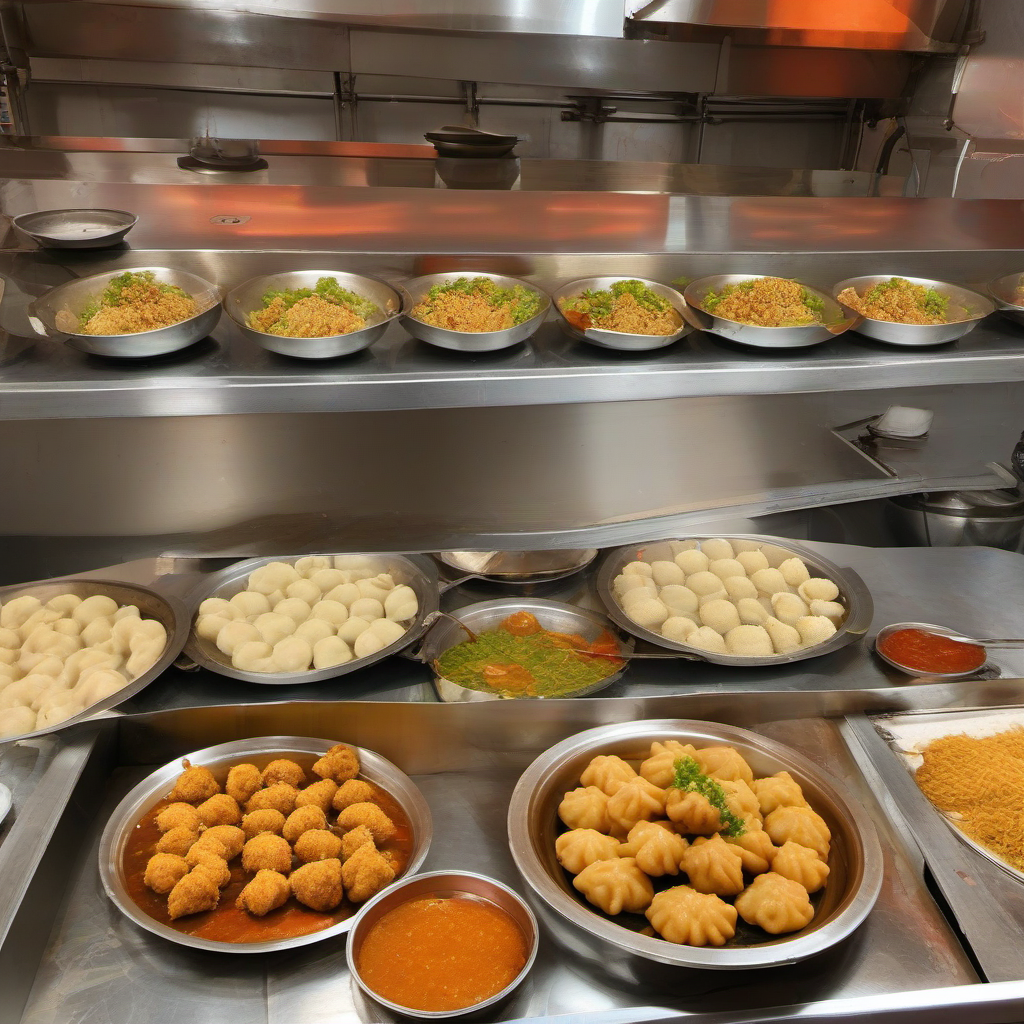
Swiggy, headquartered in Bengaluru, is one of India’s leading food delivery platforms, competing with players like Zomato and Dunzo. It is known for connecting millions of consumers to restaurants across the country. However, a recent investigation has found that five restaurant listings on its platform in Gurugram—Momo Palace China, Crispy Crunch Momos, The Momos House, Momo Factory, and Humpty Momos—share the same FSSAI license number, location, menu, and pricing, suggesting they are operated by the same kitchen.
This revelation points to potential gaps in Swiggy’s onboarding process, which is supposed to verify restaurant credentials before approving listings. The FSSAI number, a unique identifier for food businesses in India, should have flagged these listings as duplicates. The fact that they were approved raises questions about whether Swiggy’s verification systems are robust enough to prevent such occurrences or if there are other systemic issues at play.
Context: Competition and Funding Environment
In the highly competitive Indian food delivery market, Swiggy must maintain consumer trust to sustain its growth trajectory. With significant backing from investors, including SoftBank, Accel, and Naspers, Swiggy is under pressure to demonstrate transparency and reliability. The presence of duplicate listings can distort marketplace metrics, which are crucial for investor confidence and consumer trust.
The competition in the sector is fierce, with Zomato recently strengthening its position through strategic acquisitions and partnerships. As these platforms vie for market dominance, maintaining a credible and trustworthy service is paramount. Any perceived lapse in integrity could shift customer loyalty and investor interest.
Implications for India’s Startup Ecosystem
The implications of this discovery extend beyond Swiggy. It underscores the importance of robust verification processes in the Indian startup ecosystem, where trust and transparency are critical for sustained success. For consumers, the ability to rely on reviews and ratings is a fundamental aspect of the digital economy. For investors, accurate representation of marketplace dynamics is essential for informed decision-making.
This situation highlights the need for improved regulatory oversight and self-regulation within the industry to prevent similar issues. As startups continue to innovate and scale rapidly, establishing strong governance frameworks will be crucial in maintaining consumer confidence and protecting investor interests.
What May Happen Next
As Swiggy navigates this challenge, it may face increased scrutiny from both consumers and regulatory bodies. The company will need to address these verification lapses to restore trust and ensure the integrity of its platform. For founders and stakeholders in the Indian startup ecosystem, this incident serves as a reminder of the importance of maintaining rigorous operational standards. The industry will be closely watching how Swiggy responds and what measures it implements to prevent future occurrences.