Uber India’s Bold Move into B2B Logistics with ONDC Partnership
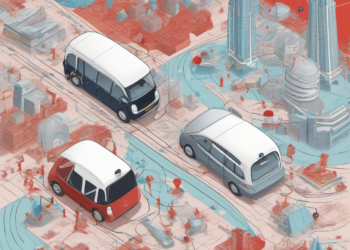
Uber India is making waves with its recent foray into the B2B logistics sector through the launch of Uber Direct. This strategic move, in collaboration with the Open Network for Digital Commerce (ONDC), marks a significant shift from Uber’s traditional ride-hailing services, opening new avenues for growth in the logistics domain.
What is Uber Direct?
Uber Direct is designed as a business-to-business logistics service, allowing merchants on the ONDC network to leverage Uber’s extensive delivery infrastructure. Initially, the service focuses on grocery deliveries, partnering with companies like Zepto and KPN Farm Fresh. Plans are underway to expand into restaurant deliveries, e-commerce logistics, and more, across various cities.
Related Posts




Why is Uber Entering B2B Logistics?
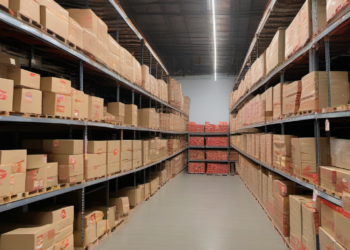
The demand for enterprise logistics in India is on the rise. Uber India & South Asia President Prabhjeet Singh highlights that Uber Direct offers a “plug-and-play solution” for businesses. This means companies can tap into Uber’s delivery network without the burden of maintaining their own fleet.
Uber’s existing courier services, such as Uber Courier and Uber Courier X, have already gained traction among small businesses and consumers, reaching millions nationwide. This new venture aims to capitalize on that success and broaden Uber’s service offerings.
The ONDC Partnership
The partnership with ONDC is not just about logistics. Uber is also venturing into digital commerce infrastructure, enabling features like metro ticket booking on its app. This expansion showcases Uber’s commitment to diversifying its services beyond mobility.
The Impact on the Logistics Industry
Uber’s entry into B2B logistics could shake up the industry. With its robust infrastructure and technology-driven approach, Uber Direct has the potential to streamline delivery processes, reduce costs, and enhance efficiency for businesses.
Key Benefits for Businesses:
- Access to a Vast Network: Businesses can utilize Uber’s existing delivery network, ensuring wide reach and reliability.
- Cost Efficiency: By avoiding the need to maintain their own fleets, businesses can significantly cut logistics costs.
- Scalability: As Uber Direct expands into more categories and cities, businesses can easily scale their operations.
Challenges and Considerations
While the prospects are promising, Uber must navigate several challenges:
- Competition: The logistics sector is competitive, with established players already dominating the market.
- Regulatory Hurdles: Compliance with local regulations and standards is crucial.
- Customer Trust: Building and maintaining trust with businesses and end consumers is essential for long-term success.
Insights from the Industry
Uber’s move is reminiscent of Amazon’s logistics expansion, where leveraging existing infrastructure enabled rapid growth. Similarly, companies like Swiggy and Zomato have successfully diversified their offerings, setting precedents for Uber’s potential success in this space.
A Thought-Provoking Question
As Uber ventures into B2B logistics, how will this impact the traditional logistics providers? Will Uber’s tech-driven approach set a new standard for efficiency and service in the industry?
Conclusion
Uber India’s partnership with ONDC and the launch of Uber Direct signify a bold step into the B2B logistics arena. With its vast network and technological prowess, Uber is well-positioned to disrupt the industry, offering businesses a streamlined, cost-effective logistics solution. As the service expands, it will be interesting to see how it shapes the future of logistics in India.
For more information on Uber’s services, visit Uber. To learn more about the ONDC initiative, explore ONDC.