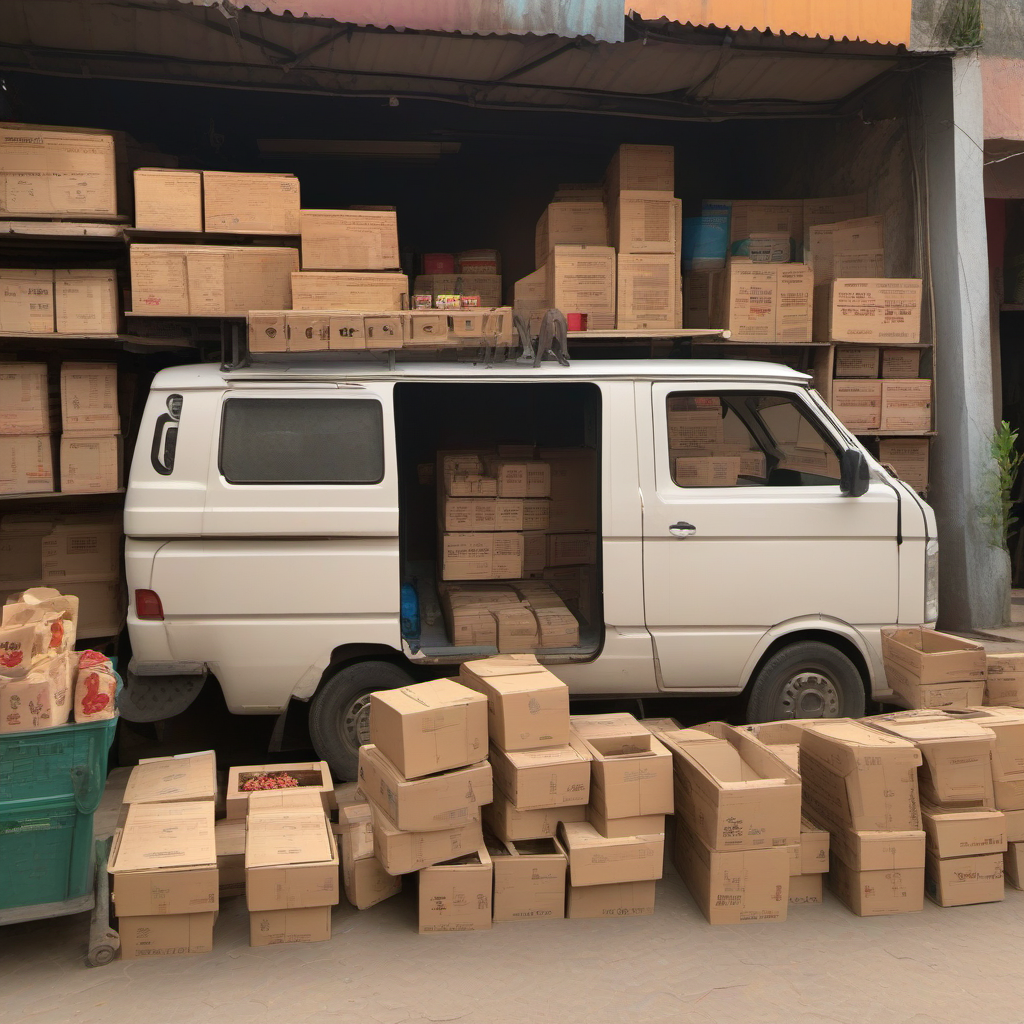
VilCart, a Bengaluru-based startup, has reached a significant milestone by reporting revenue of Rs 1,176 crore for FY26. The company, which has quietly developed one of India’s largest kirana-led rural commerce networks, connects manufacturers and brands directly to over 1 lakh kirana stores across 30,000 villages in South India. By reaching approximately 16% of the region’s rural population, VilCart is positioning itself as a key player in the anticipated consumption wave from Bharat, the smaller towns and villages that have been challenging for traditional e-commerce players to serve profitably.
### Why a Chartered Accountant Took on Village Supply Chains
VilCart was founded in 2018 by C. Prasanna Kumar, a chartered accountant from Mandya, Karnataka. The company addresses the challenges faced by rural kirana stores that traditionally spend significant time and resources restocking from wholesale markets. VilCart’s tech-enabled B2B2C platform facilitates the distribution of goods from manufacturers and farmer producer organizations (FPOs) to neighborhood stores, which then serve the rural consumers. This model is crafted specifically for rural conditions, breaking away from urban delivery strategies that often fail to address the unique needs of village supply chains.
### Inside VilCart’s FY26 Numbers
The reported revenue of Rs 1,176 crore marks an increase from Rs 1,120 crore in FY25, demonstrating a substantial growth trajectory over the last five years. VilCart operates with more than 80,000 kirana stores in Karnataka, Tamil Nadu, Andhra Pradesh, and Telangana, supported by a workforce of over 1,600 people. The company boasts a 24 to 48-hour delivery cycle with a fulfillment rate of approximately 99%. Despite raising about $26 million, VilCart maintains a capital-efficient model, contrasting with the cash-intensive nature of the sector. The company’s private-label business, with 43 registered trademarks, plays a crucial role in enhancing its margins and steering it towards profitability.
### How Does a Kirana-Led Rural Commerce Model Actually Work
VilCart’s model is centered around empowering village kirana stores rather than selling directly to consumers. Products flow from manufacturers and brands through VilCart’s supply chain to these stores, which serve as the final retail point for rural customers. Shopkeepers place orders via a mobile app and receive doorstep delivery, with access to tools for billing, inventory management, and credit. This approach underscores the importance of rural-native innovation in serving India’s vast rural markets, distinguishing it from urban-centric models that have dominated the industry.
The backdrop of VilCart’s success is notable in a landscape where quick-commerce apps have altered urban shopping dynamics, leading to the closure of approximately 2 lakh kirana stores nationwide, many in urban areas. In contrast, rural retail remains largely unaffected by such disruptions, presenting untapped opportunities for organized supply chains. VilCart’s rising private-label revenue share, which increased from 5% to 18% in a year, reflects its strategy to reduce operating losses and edge towards profitability. This rural commerce space is competitive, with companies like Jumbotail also vying for a share of the market.
VilCart’s progress signals a promising future for rural commerce in India. For founders and investors, the company’s model provides a blueprint for leveraging technology to bridge gaps in rural supply chains. As VilCart continues to expand its network and refine its operations, the next area to watch will be its ability to scale profitably while maintaining service quality and fulfilling its promise of rural-first innovation.