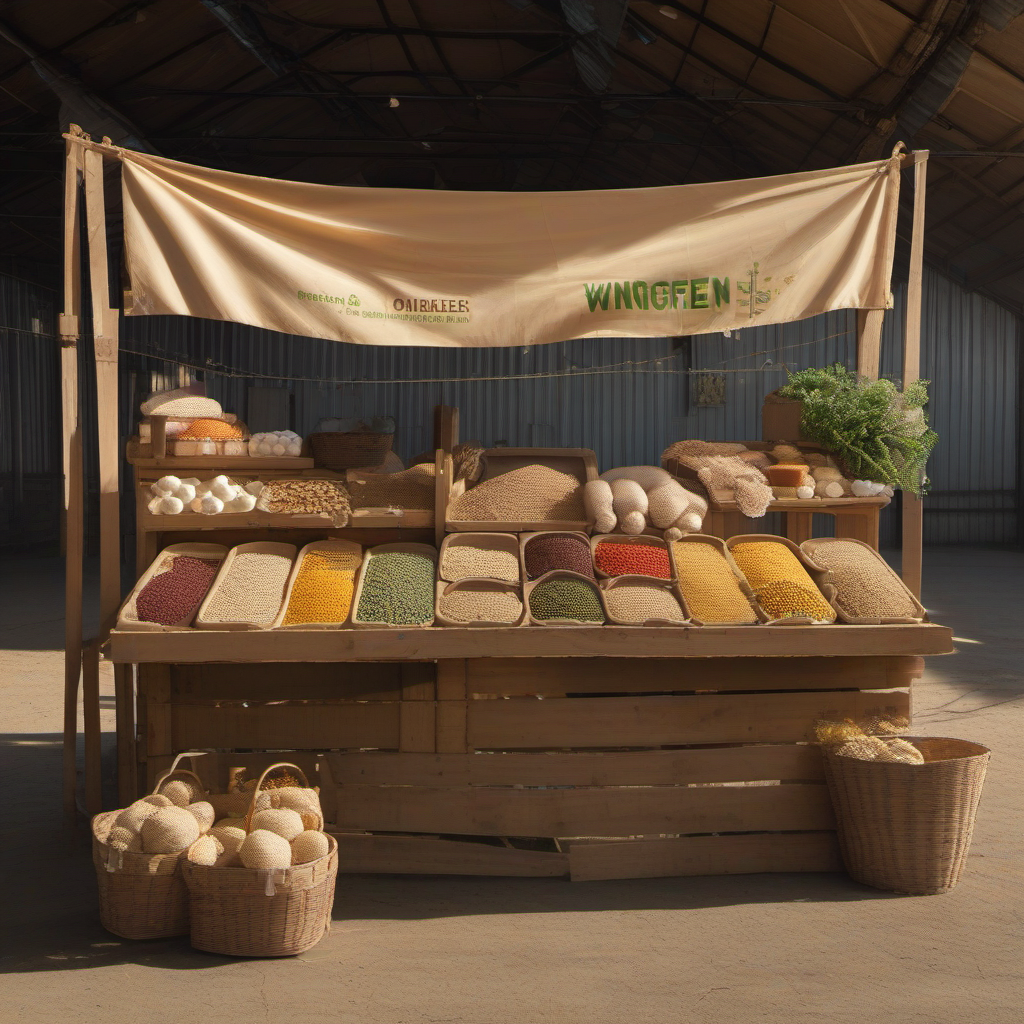
Wingreens, a prominent player in India’s packaged food and beverage sector, has announced its acquisition of Safe Harvest, a brand known for its pesticide-free food products. The acquisition, executed through a share swap deal, coincides with Wingreens closing a Rs 120 crore ($12.6 million) Series D funding round. The round was led by investor Ashish Kacholia with participation from Alchemy Fund, bringing Wingreens’ total capital raised to date to Rs 556 crore. This move is significant as it signals Wingreens’ strategic intent to strengthen its position in the farm-to-consumer segment, a burgeoning area in India’s food industry.
### Wingreens and Safe Harvest: A Strategic Expansion
Wingreens’ acquisition of Safe Harvest is a calculated step towards expanding its footprint across the health-conscious and sustainability-focused consumer base. Safe Harvest, which collaborates with over 100,000 farmers, primarily women organized in Self Help Groups (SHGs) and Farmer Producer Organizations (FPOs), offers a range of pesticide-free products. Its offerings include cereals, grains, pulses, millets, flours, and more, all of which undergo rigorous batch-wise pesticide testing and certification. This acquisition allows Wingreens to diversify its product range and strengthen its commitment to sustainable agricultural practices.
Related Posts




With this acquisition, Wingreens aims to integrate Safe Harvest’s products with its existing brands such as Wingreens Farms, Raw Pressery, and others to build a comprehensive food and beverage platform. The new capital raised will be directed towards expanding the product portfolio, enhancing distribution channels, and further integrating supply chains. This expansion is expected to bolster farmer partnerships and drive innovation in product offerings.
### The Competitive Landscape and Funding Environment
The acquisition comes at a time when the Indian food and beverage industry is experiencing a shift towards health and sustainability. Consumers are increasingly demanding transparency and quality in their food choices, and brands like Safe Harvest have tapped into this trend by offering pesticide-free products. The competitive landscape in this sector includes players such as Organic India and 24 Mantra Organic, which focus on organic and natural food products.
The funding environment in India has shown resilience despite global economic uncertainties, with investors displaying strong interest in companies that offer sustainable and health-oriented products. Wingreens’ successful Series D round is a testament to this trend, showcasing investor confidence in the company’s growth potential and strategic direction.
### Implications for India’s Startup Ecosystem
Wingreens’ recent moves highlight the growing importance of sustainability-focused business models in India’s startup ecosystem. As consumers become more health-conscious, startups that align with these values are likely to attract investor interest. Wingreens’ strategy of integrating Safe Harvest’s sustainable practices with its existing operations could serve as a blueprint for other startups aiming to scale and innovate within the food sector.
The broader implications for India’s startup ecosystem include a potential increase in collaborations between established companies and smaller, niche brands that focus on sustainability. This trend could lead to more mergers and acquisitions in the sector, as larger companies seek to enhance their product offerings and market reach.
Looking ahead, the success of Wingreens’ integration with Safe Harvest will be closely watched by industry stakeholders. For investors, the focus will be on how effectively Wingreens can leverage Safe Harvest’s farmer network and pesticide-free product line to drive growth. Startups in the food and beverage sector will likely monitor Wingreens’ strategy as a case study in scaling operations through strategic acquisitions.