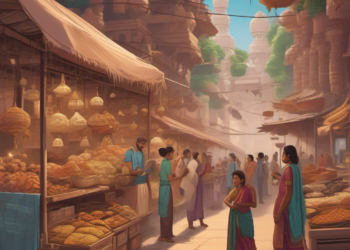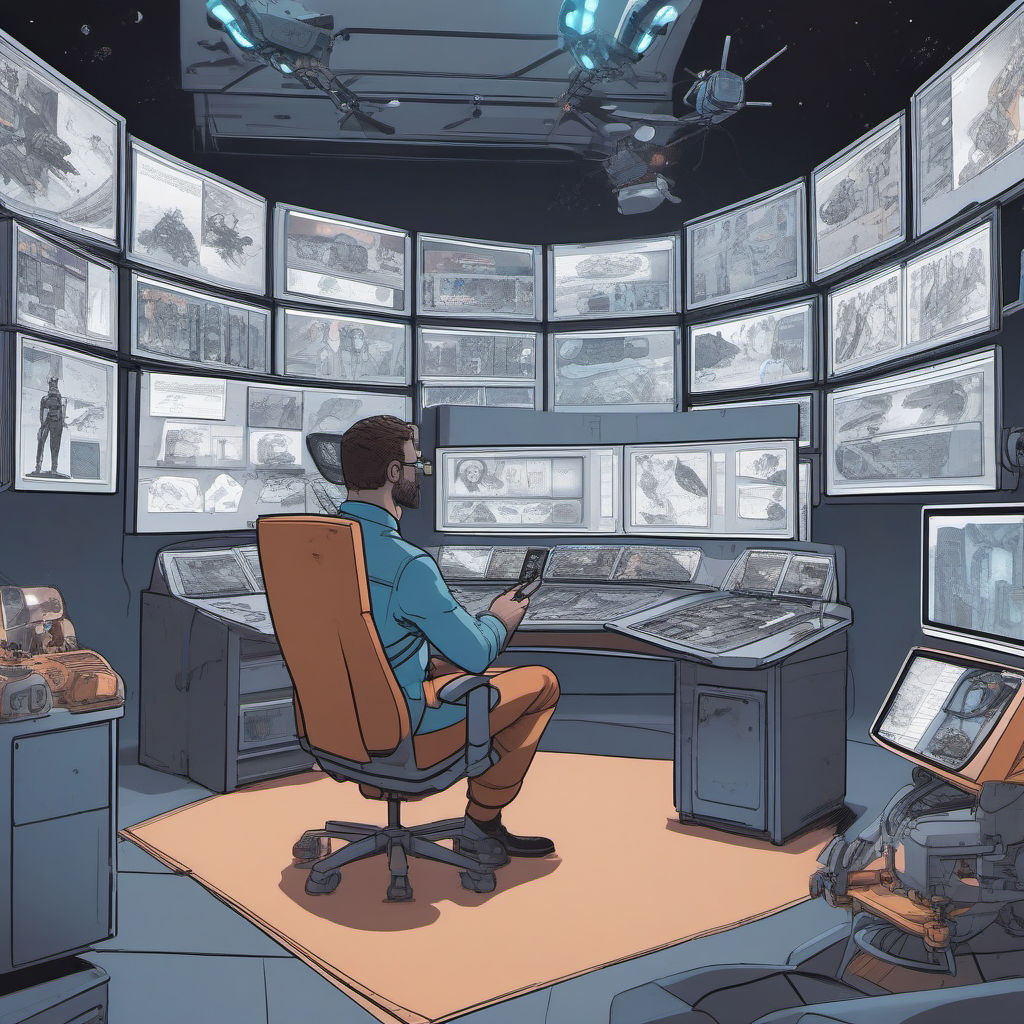
The film industry is undergoing a significant transformation as generative AI technologies are increasingly being integrated into the filmmaking process. This shift is democratizing access to film production, traditionally dominated by large studios with substantial financial backing. AI is now enabling more ambitious storytelling and production at scale, as demonstrated by JioStar’s AI adaptation of the Mahabharat, which garnered 6.5 million views on its debut day. This trend is reshaping the landscape of Indian cinema and altering the traditional production model.
## AI Becomes Assistant Director
Filmmakers are leveraging AI to enhance various stages of film production. AI models are being used to generate and refine scripts, create storyboards, and develop pre-visualizations. Independent filmmaker Vikrant Patankar, for example, uses AI tools like Claude Sonnet for scriptwriting and scene iteration. This allows filmmakers to experiment with different narrative possibilities without the constraints of traditional writing processes.



Production teams are also adopting AI for concept development, which involves creating multiple variations of characters and environments. According to Shajy Thomas, cofounder and CTO of Astra Studios, AI has significantly reduced the time required for concept iteration, a process that previously involved extensive manual design work. This technological advancement is facilitating faster and more efficient communication between directors, production designers, cinematographers, and VFX teams, leading to a more streamlined production process.
## The Competitive Landscape in AI Filmmaking
The emergence of AI-native studios and collaborations with established filmmakers highlights the competitive edge that AI provides in the film industry. Companies like Studio Blo are at the forefront, working with renowned directors to produce branded AI-native films. This collaboration with well-known industry figures like Rajkumar Hirani showcases AI’s potential to transform traditional filmmaking and attract significant viewership.
The use of AI in filmmaking is not limited to scriptwriting and concept development. It is increasingly being integrated into VFX pipelines, where image-to-3D generation models are being used to create secondary characters and environmental assets. This reduces the workload and time required for manual modeling and texturing, further enhancing production efficiency.
## Implications for India’s Startup Ecosystem
The integration of AI into filmmaking has broader implications for India’s startup ecosystem. As AI technology becomes more prevalent, there is an increased demand for AI solutions tailored to the entertainment industry. This presents a significant opportunity for Indian startups specializing in AI and creative technologies to innovate and capture market share.
Furthermore, the democratization of film production through AI tools is likely to encourage more aspiring filmmakers and entrepreneurs to enter the industry. This could lead to a proliferation of independent film projects and startups, contributing to a more diverse and vibrant cinematic landscape in India.
Looking ahead, the continued evolution of AI technology is poised to further disrupt traditional filmmaking practices. For founders and investors, the key to success will be identifying opportunities to leverage AI in innovative ways that enhance storytelling and production value. As AI tools become more sophisticated, the industry will likely see even more creative applications, making it an exciting space to watch for technological advancements and new business models.