Bengaluru-based fabless semiconductor startup HrdWyr has successfully secured $13 million in a Series A funding round, led by Ideaspring Capital. This significant investment, which also saw participation from Singularity AMC, Avatar Growth Capital, and Persistent Systems, is expected to fuel HrdWyr’s ambitions in the semiconductor space, particularly in developing AI-native System-on-Chip (AISoC) solutions. As India’s semiconductor industry continues to garner attention, HrdWyr’s funding marks a promising step towards innovation and self-reliance in this critical sector.
HrdWyr’s Unique Position in the Semiconductor Market
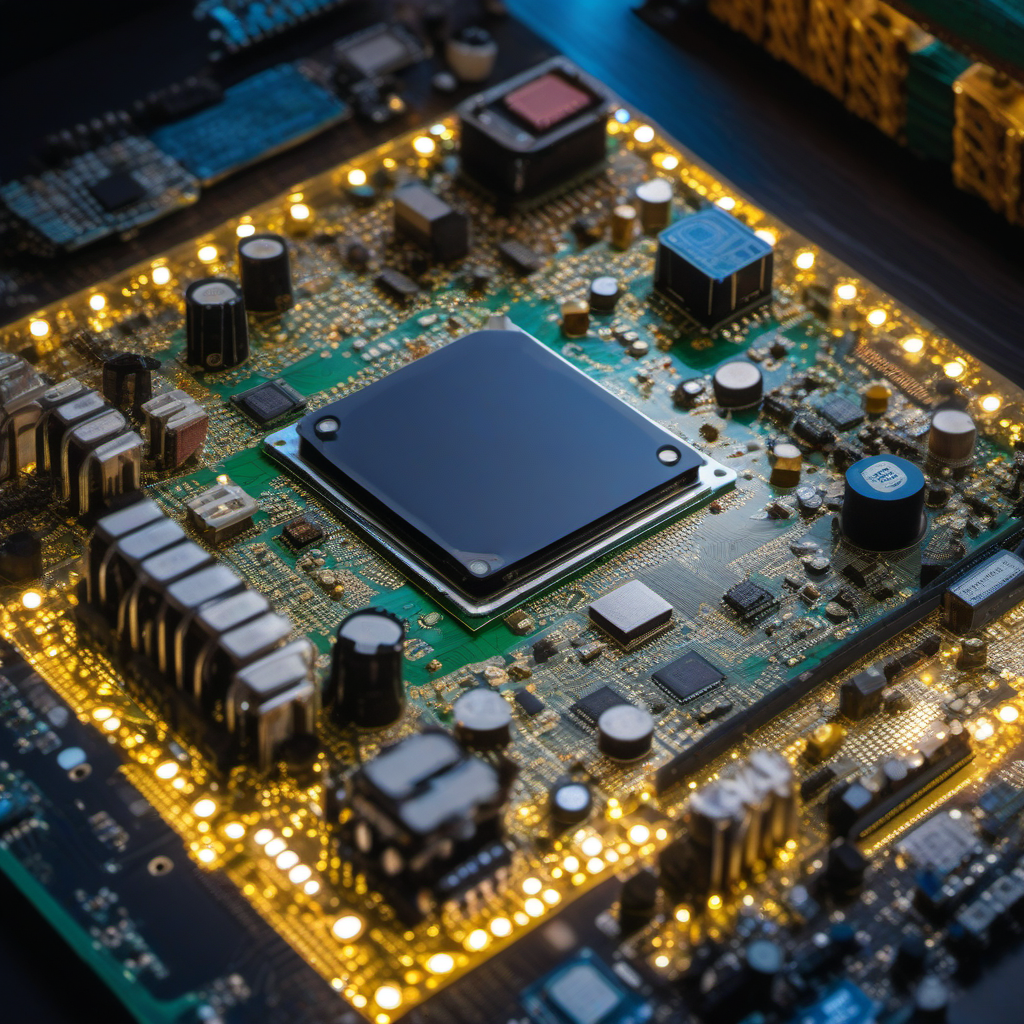
Founded in 2023, HrdWyr operates as a fabless semiconductor company, focusing on creating end-to-end semiconductor products rather than merely licensing intellectual property. The startup’s primary focus is on building AI-native System-on-Chips tailored for specific industries. These chips are designed to enhance intelligent edge processing, optimize power efficiency, reduce latency, and simplify system design. By integrating AI directly into the chip architecture, HrdWyr aims to enable real-time data processing, which is crucial for applications in high-volume, cost-sensitive markets.
Related Posts




HrdWyr’s approach is distinct from traditional semiconductor models, as it seeks to partner with customers to address domain-specific challenges. The company’s commitment to developing industry-specific solutions positions it uniquely in the global semiconductor landscape, where customization and efficiency are becoming increasingly valuable.
Context and Competition in the Semiconductor Funding Environment
The semiconductor industry in India is witnessing a surge in interest and investment, driven by the global semiconductor shortage and the Indian government’s push for self-reliance in technology. Startups like HrdWyr are emerging as key players in this evolving landscape, attracting significant venture capital as they innovate in chip design and functionality.
HrdWyr’s competitors include both international semiconductor giants and emerging Indian startups focusing on AI and chip design. However, the company’s full-stack approach and focus on AI-native designs provide it with a competitive edge. The involvement of investors like Ideaspring Capital, who are keen on supporting products from India for global markets, underscores the growing confidence in India’s capability to contribute to the semiconductor supply chain.
Implications for India’s Startup Ecosystem
HrdWyr’s successful funding round highlights the potential of India’s semiconductor startups to attract significant investment and drive innovation. The startup’s focus on AI integration and intelligent processing aligns with broader trends in the tech industry, where AI is increasingly seen as a cornerstone of future technological advancements.
For India’s startup ecosystem, HrdWyr’s progress signals a shift towards more sophisticated, technology-driven ventures. This development not only boosts confidence in the country’s ability to innovate in high-tech fields but also encourages more investors to explore opportunities within India’s burgeoning tech landscape. As semiconductor technology becomes critical to various sectors, including automotive, consumer electronics, and data centers, startups like HrdWyr are well-positioned to lead India’s charge in the global tech arena.
What to Watch Next
Looking ahead, HrdWyr will likely focus on expanding its customer base across key global markets while continuing to develop its AI-native chip solutions. For founders and investors, HrdWyr’s journey underscores the importance of innovation and specialization in attracting investment and competing on a global scale. As the demand for efficient, AI-driven semiconductor solutions grows, HrdWyr’s progress will be a key indicator of India’s potential to establish itself as a major player in the semiconductor industry. Watching how HrdWyr scales its operations and navigates international markets will provide valuable insights into the evolving dynamics of India’s tech ecosystem.