The travel industry, long plagued by decision fatigue and information overload, is seeing a transformative shift with ixigo’s latest innovation. The Indian online travel agency has introduced TARA, an AI-native travel assistant, aiming to revolutionize user experience in travel planning. This development marks a significant step forward in addressing the inefficiencies of traditional travel apps that have remained largely unchanged for over a decade.
## From Travel Agents To AI Agents
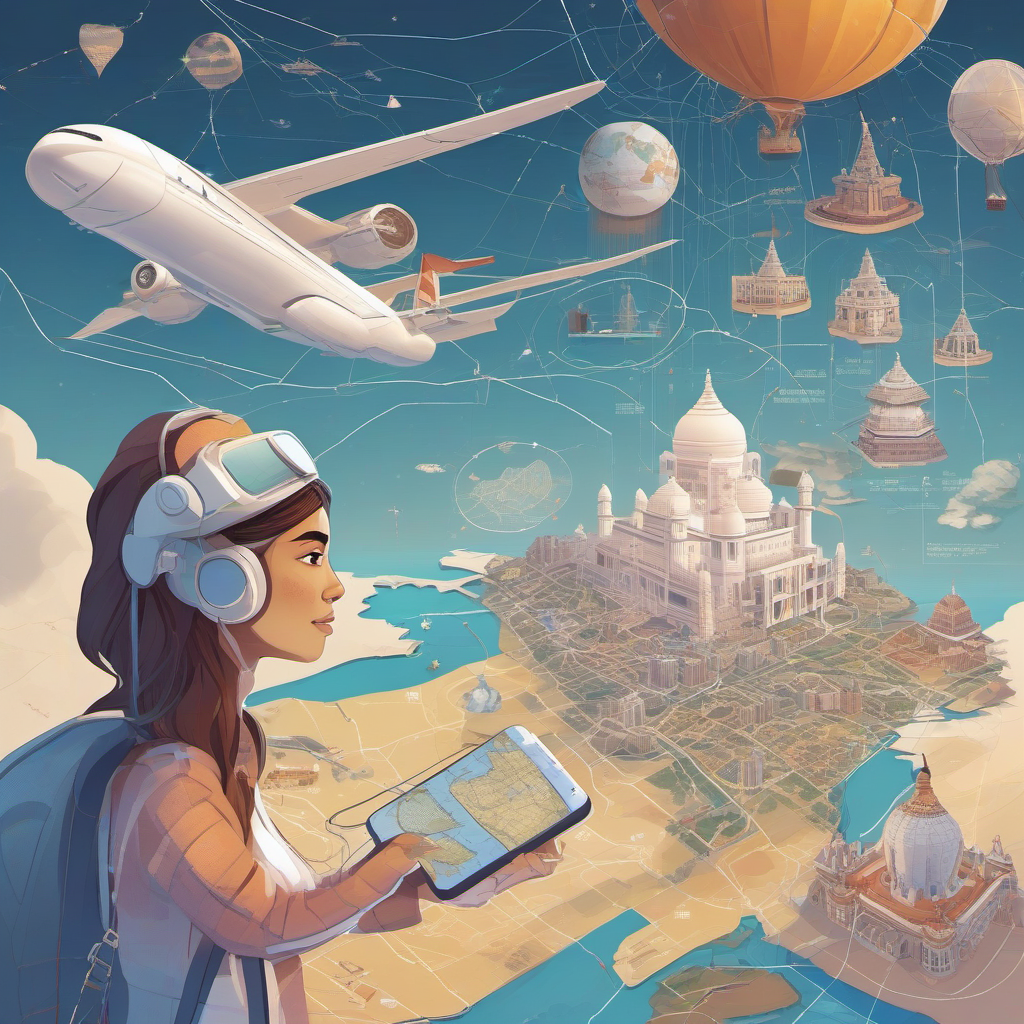
At the core of ixigo’s strategy is the integration of a comprehensive AI architecture designed to enhance the travel booking experience. Unlike the conventional AI add-ons that function as separate chatbots, ixigo’s approach embeds AI within the app’s infrastructure, allowing for a seamless and intuitive user interaction. This AI-native design leverages large language models, voice intelligence, and real-time travel data to process user intent and deliver personalized travel solutions.


Instead of navigating through multiple menus and filters, users can communicate their preferences directly to TARA, which manages everything from booking flights with shorter layovers to selecting hotels with specific amenities. This shift from transactional interactions to a more holistic user experience aims to reduce the uncertainty and stress often associated with travel planning.
## The Competitive Landscape and Market Context
In the competitive landscape of India’s travel tech industry, ixigo’s move to integrate an AI-native system is a bold step. The Indian online travel market is dominated by players like MakeMyTrip, Cleartrip, and Yatra, all of whom are continually evolving to capture a larger share of the market. However, ixigo’s focus on an AI-driven user experience could provide a distinct competitive edge.
The timing of this innovation aligns with the growing digital adoption across India, fueled by increased smartphone penetration and internet accessibility. As more consumers turn to digital platforms for travel planning, the demand for efficient and user-friendly solutions is rising. ixigo’s strategy to simplify and enhance the travel booking process could attract a broader user base, including those who may have found traditional interfaces cumbersome.
## Implications for India’s Startup Ecosystem
ixigo’s foray into AI-enhanced travel planning reflects a broader trend in the Indian startup ecosystem, where companies are increasingly leveraging advanced technologies to improve customer engagement and operational efficiency. This innovation underscores the potential for startups to transform traditional industries through technology, paving the way for new business models and service offerings.
For Indian startups, particularly those in the travel and hospitality sectors, ixigo’s approach serves as a case study in the application of AI to solve real-world problems. It highlights the importance of integrating technology deeply into product design rather than treating it as an ancillary feature. This could inspire other startups to rethink their technology strategies and explore AI’s potential to deliver superior user experiences.
Looking ahead, the success of ixigo’s AI-native travel assistant could encourage further innovation and investment in AI-driven solutions across various sectors. For investors and entrepreneurs, the key takeaway is the importance of aligning technological capabilities with user needs to create value in the fast-evolving digital landscape. As ixigo continues to refine and expand its AI capabilities, the industry will be watching closely to see how this influences user adoption and market dynamics.